Trapped in Europe! How Social Media Algorithms Are Sabotaging Global Brands (Plus: Did Spotify 'Cheat' Their Way to Billboard Campaign of the Year?)

Trapped in Europe! How Social Media Algorithms Are Sabotaging Global Brands (Plus: Did Spotify 'Cheat' Their Way to Billboard Campaign of the Year?) · Avonetics
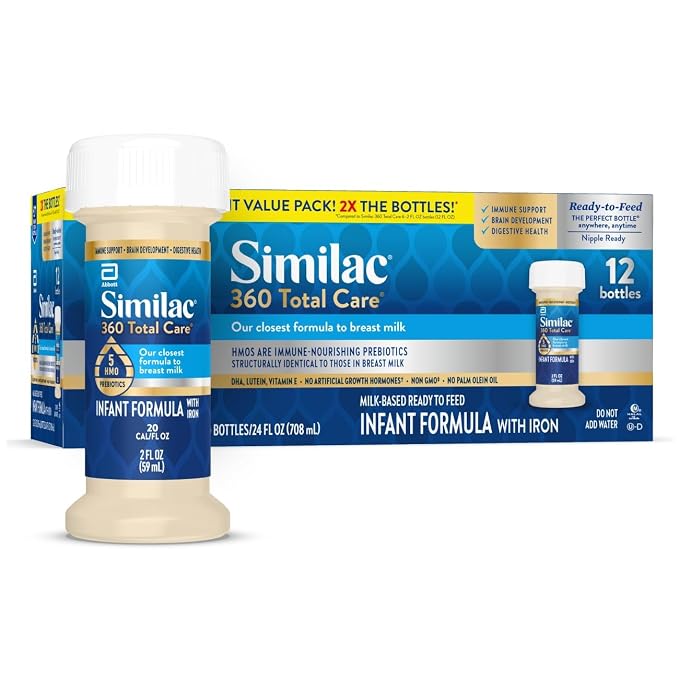 Similac 360 Total Care Ready-to-Feed Baby
Halal. Kosher. Gluten Free
See it →
Similac 360 Total Care Ready-to-Feed Baby
Halal. Kosher. Gluten Free
See it →
A growing crisis is quietly unfolding for international brands trying to break into the lucrative American market, exposing the brutal mechanics of modern social media algorithms. Across the global corporate landscape, founders and marketers based in Europe are finding themselves trapped in localized feed purgatory, completely unable to push their digital updates across the Atlantic despite producing English-language content tailored explicitly for American consumers.
For one European business owner, the frustration has reached a breaking point. Operating a brand where over 90 percent of the ideal client base resides in the United States, this founder conducts nearly all daily operations in English, consumes American media, and designs product catalogs specifically for US buyers. Yet, every single brand update, video release, and product drop gets dragged straight into local European feeds, landing in front of regional accounts who neither speak the language nor buy the product.
 Read nextThe Great PR Gatekeeping Crisis: Why Ghosted Journalists and Career Pivoters Are Locked Out
Desperate to escape this geographic bubble, the brand owner explored setting up Virtual Private Networks, modifying browser diets, and altering system timezones to trick platform distribution engines. However, industry insiders warn that these workarounds are not only ineffective but incredibly dangerous for business accounts. Platforms make distribution decisions based on deep hardware telemetry, regional SIM cards, local IP connections, and immediate physical viewer interactions. Relying on aggressive location-spoofing tools fails to alter content distribution and frequently triggers automated security lockouts, account verification flags, and permanent account penalties.
Marketing strategists point out that organic cross-border reach has been systematically dismantled across major digital ecosystems. For international brands seeking traction in foreign markets, platform architecture is deliberately engineered to restrict free distribution, steering businesses directly toward paid geographic ad channels. One commenter noted that without local physical nodes or paid ad budgets, European creators are essentially shouting into an empty room while platform algorithms wall them off.
This frustration over algorithmic barriers intersects directly with another controversy rocking the media buying landscape: the high-stakes battle over what actually constitutes physical media. The tension erupted into a full-blown industry argument following the OAA 2026 Awards, where streaming giant Spotify took home the prestigious Campaign of the Year award in the Out-of-Home category for its 'Aaj Raaste Mein Kya Suna' Commute Campaign.
On paper, the campaign earned widespread acclaim for its audio-visual synchronicity during peak commuter traffic hours, utilizing dynamic real-time gridlock data to speak directly to drivers stranded on congested expressways. However, veteran media planners and agency buyers quickly raised sharp objections regarding how the campaign was categorized.
Critics point out that the heavy lifting of Spotify’s campaign was not accomplished by traditional outdoor billboards at all, but rather by dynamic programmatic software triggers, personalized algorithmic playlists, and massive social media amplification systems. In reality, the physical hoardings served as little more than high-budget background scenery for digital video captures and online push notifications.
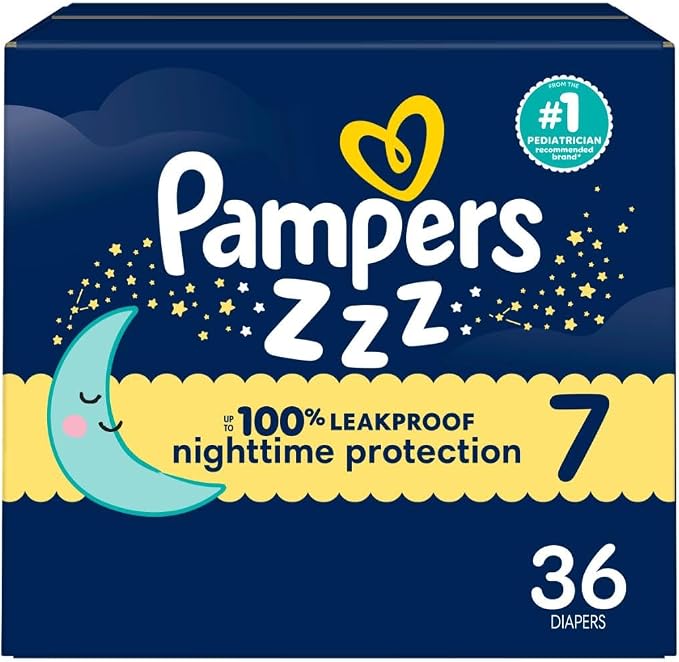 Pampers ZZZ Overnight Diapers
Pampers are the #1 Brand*. For Sleep. (*Based on Nielsen volume sales L52W). EXTRA ABSORBENT: Made with 50% more absorbent zones vs ordinary diapers,* Pampers ZZZ baby diapers help…
See it →
Pampers ZZZ Overnight Diapers
Pampers are the #1 Brand*. For Sleep. (*Based on Nielsen volume sales L52W). EXTRA ABSORBENT: Made with 50% more absorbent zones vs ordinary diapers,* Pampers ZZZ baby diapers help…
See it →
This victory has ignited a fierce rift among media professionals. One media buyer argued that requiring physical billboard submissions to feature multi-million dollar dynamic tech stacks sets an impossible benchmark for 90 percent of brands. Mid-sized companies relying on static hoardings to drive regional brand awareness are effectively shut out of industry awards by digital giants flexing massive software engineering budgets.
Conversely, supporters argue that physical advertising must adapt to the modern age or risk irrelevance. Modernists contend that Spotify demonstrated the future of ambient media by merging contextual real-time data with personalized audio, proving that physical space is most powerful when tied to dynamic digital triggers.
As algorithms tighten geographic boundaries and legacy ad categories get hijacked by tech budgets, marketers are left questioning whether organic reach and classic advertising craft can still survive.
The hosts on Spin Cycle break down every angle of this algorithmic nightmare and outdoor ad controversy in their latest episode.
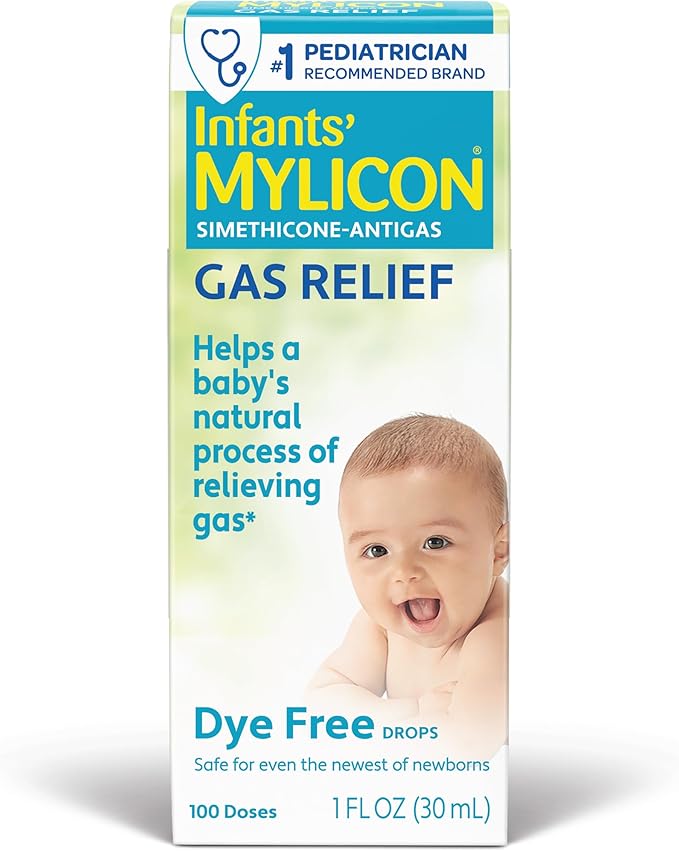 MYLICON Gas Relief Drops for Infants
Mylicon, the #1 pediatrician recommended brand, has been providing safe, effective relief of infant gas for generations. Mylicon works gently to speed up a baby’s natural process o…
See it →
MYLICON Gas Relief Drops for Infants
Mylicon, the #1 pediatrician recommended brand, has been providing safe, effective relief of infant gas for generations. Mylicon works gently to speed up a baby’s natural process o…
See it →