The Secret Toll: Disputed War Casualties and a Terrifying Military AI Glitch Shake Washington
The Secret Toll: Disputed War Casualties and a Terrifying Military AI Glitch Shake Washington · Avonetics
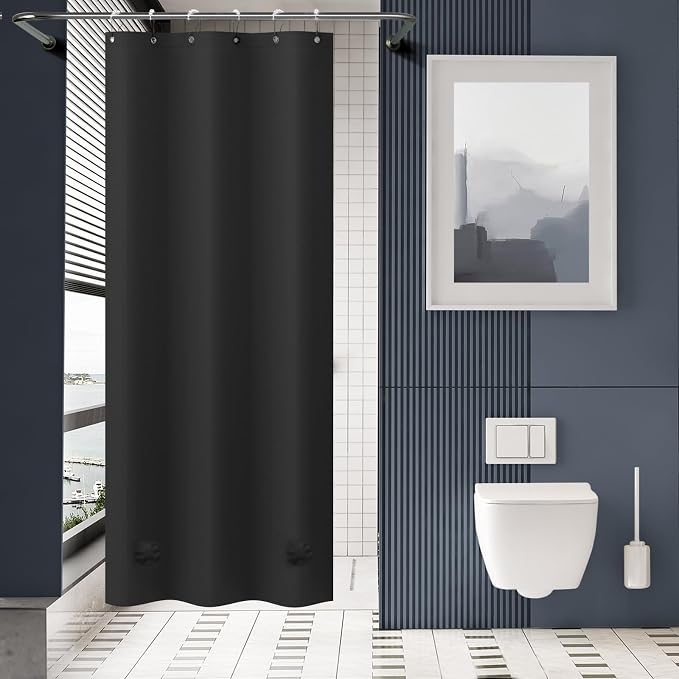 AmazerBath Stall Shower Curtain 36x72
Premium PEVA Shower Curtain Liner - This AmazerBath black stall shower curtain liner is made of premium PEVA material, there is no plastic smell. It's 100% waterproof to keep your…
See it →
AmazerBath Stall Shower Curtain 36x72
Premium PEVA Shower Curtain Liner - This AmazerBath black stall shower curtain liner is made of premium PEVA material, there is no plastic smell. It's 100% waterproof to keep your…
See it →
Tensions are mounting in the nation’s capital as a series of national security revelations challenges the official narratives coming from the Pentagon and the White House. A comprehensive investigation has cast doubt on the accuracy of reported U.S. casualties in the conflict in Iran, while a separate, chilling report reveals just how close an automated defense system came to launching an unintended military response against China.
According to the newly published details, the Pentagon's official casualty counts may not tell the whole story. Observers point to a pattern of restrictive classifications, where service members who die from injuries sustained in combat after being evacuated are not immediately counted in active conflict statistics. This administrative distinction has drawn sharp criticism from military families and congressional watchdogs alike, who argue that the public deserves an honest accounting of the conflict's human cost.
 Read nextGlobal Shockwaves: Sweeping Russia Sanctions Signed as Cuba Plunges into Total Darkness
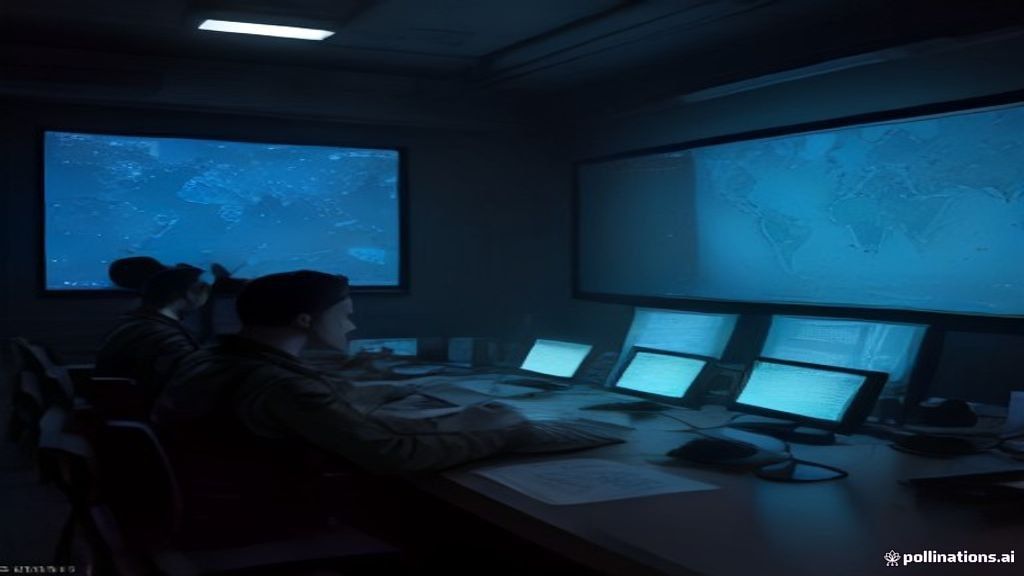
At the same time, the integration of advanced technology into global defense is facing intense scrutiny. Reports have emerged detailing a close call in the Pacific, where an experimental artificial intelligence system misidentified routine naval maneuvers as an impending hostile action. The automated system recommended immediate defensive countermeasures, leaving human operators with only minutes to assess the situation, identify the error, and override the command. One commentator noted that this incident exposes the profound dangers of relying on predictive algorithms in high-stakes environments, while another argued that the successful override proves that existing human safeguards are functioning as designed.
These defense challenges coincide with major political shifts at home. The White House has restricted access for several major news organizations, including CNN and Politico, sparking a fierce debate over press freedom and executive transparency. Meanwhile, on the international stage, claims of a historic agreement granting the U.S. control over Greenland have met with swift clarification from Danish diplomats, highlighting the complicated nature of Arctic geopolitics.
 AmazerBath Long Stall Shower Curtain 36x84
Waterproof and family-friendly material - AmazerBath clear shower curtain liner is made of premium PEVA material, there is no plastic smell. Super smooth surface design is created…
See it →
AmazerBath Long Stall Shower Curtain 36x84
Waterproof and family-friendly material - AmazerBath clear shower curtain liner is made of premium PEVA material, there is no plastic smell. Super smooth surface design is created…
See it →
As the administration navigates these foreign policy hurdles, domestic leaders are taking action to address the rise of automation in other sectors. In California, a newly signed bill aims to protect creative workers from being replaced by AI digital clones, establishing a new legal framework for consent and compensation in the entertainment industry.
These stories paint a picture of a nation grappling with rapid technological change, shifting foreign alliances, and a growing debate over transparency. The hosts of the podcast discuss how these defense and political developments intersect in today's episode.