The 'Red Light Fever' Trap: Why Songwriters Keep Ruining Their Best Tracks in the Studio
The 'Red Light Fever' Trap: Why Songwriters Keep Ruining Their Best Tracks in the Studio · Avonetics
 HARIO V60 VDSU-02-NJ Dripper SUIREN 02
Buildable coffee dripper with extracted spiral rib, symbolizing V60 transparent dripper. Conical shape: Compared to traditional fan shaped dripper creates a deeper layer of coffee…
See it →
HARIO V60 VDSU-02-NJ Dripper SUIREN 02
Buildable coffee dripper with extracted spiral rib, symbolizing V60 transparent dripper. Conical shape: Compared to traditional fan shaped dripper creates a deeper layer of coffee…
See it →
There is a silent killer lurking inside home recording studios around the world, and it strikes the moment an artist hits the bright red recording button.
It almost always starts the same way. A songwriter sits down with a guitar or a keyboard, working out a new melody. To make sure the idea isn't lost, they spin up a quick demo track and mumble a vocal pass into a cheap desk microphone. They aren't trying to sound polished, and they aren't thinking about pitch or resonance. They are simply catching the song.
 Read nextPop Audio Archaeology: How a Fan Engineered a Studio-Quality Version of Rihanna's 'LOUD' Tour
Yet, when the track is finally finished and it comes time to record the official vocal take, the magic suddenly vanishes. The singer sets up high-end gear, adjusts the pop filter, and proceeds to spend three agonizing hours singing the first line twenty times. What was effortless on the demo now sounds stiff, self-conscious, and devoid of feeling.
This phenomenon, known widely throughout music production circles as 'red light fever,' represents a psychological wall between writing and performing. One commentator noted that during demo tracking, an artist is in a pure flow state, whereas official tracking triggers a shift toward intense self-surveillance.
When artists step up to make the official track, they stop singing to express and start singing to impress. The mental pivot between operating studio software and performing as a vocalist creates immense friction. Trying to adjust preamps and level meters while maintaining emotional vulnerability is a fast track to stage fright inside your own headset.
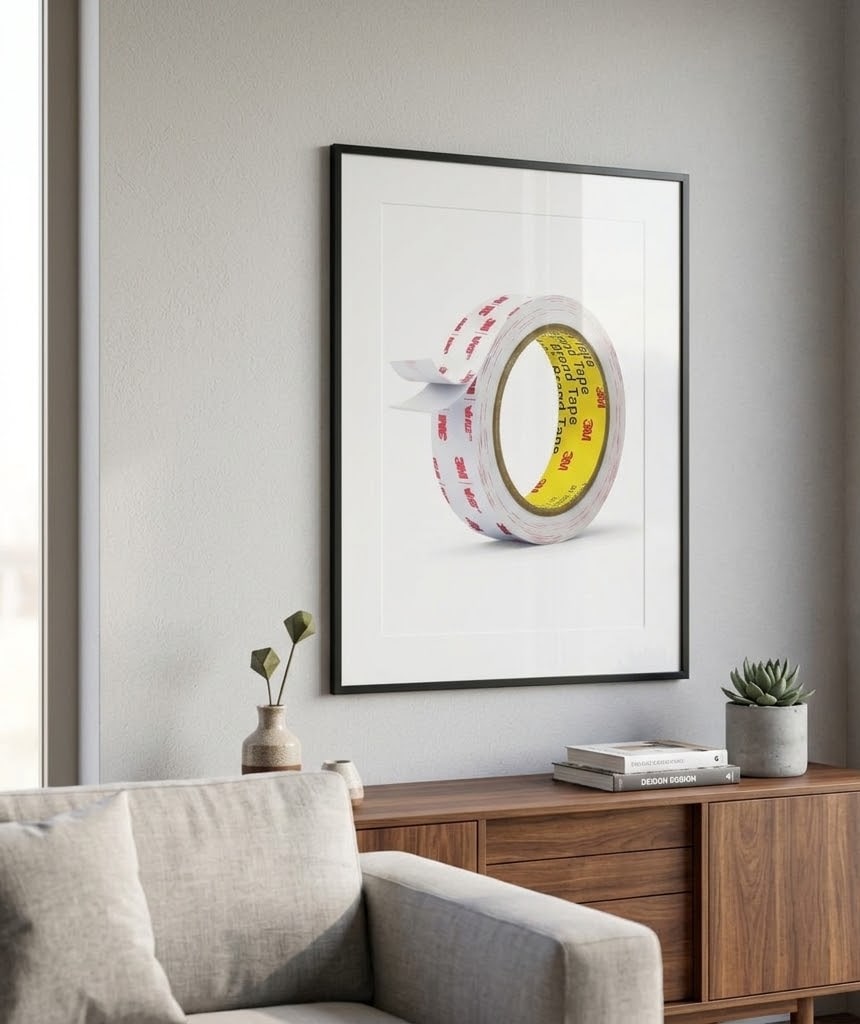 3M Double Sided Tape
3M Double sided tape is 1in(25mm) width and 9.85ft(3.01m) length and 43mil(1.1mm) thickness. Made of white heavy duty foam tape material that has 93°C(200°F) temperature resistance…
See it →
3M Double Sided Tape
3M Double sided tape is 1in(25mm) width and 9.85ft(3.01m) length and 43mil(1.1mm) thickness. Made of white heavy duty foam tape material that has 93°C(200°F) temperature resistance…
See it →
Industry veterans point to legendary precedents where artists fought this exact battle and lost—or won by embracing the flaw. Bruce Springsteen famously recorded a set of stark home cassette demos in 1982 intended as blueprints for the E Street Band. After months in a multi-million dollar studio trying to re-record the tracks, the band realized they could never match the haunting, quiet tension of the original tapes. The result was Nebraska, released straight from the rough demo mix.
Similarly, ten years ago, Frank Ocean demonstrated the ultimate mastery over his own creative output. Navigating label friction and sample clearances—including a dispute over his early project nostalgia, ULTRA—Frank realized that standard industry channels often squander raw artistic magic. On August 19, 2016, he fulfilled his Def Jam contract with the visual project Endless, only to independently drop his true masterwork, Blonde, twenty-four hours later. By controlling his master tapes, he preserved the warm, intimate atmosphere of his raw creative vision while securing total ownership.
For bedroom producers battling demo fatigue, experts suggest simple tactics: leave the demo vocal in the final session and punch in only the phrases that genuinely fall apart. Alternatively, trick the mind by treating every official tracking session as just another throwaway rough cut.
Our hosts jump straight into this studio dilemma and break down the best ways to escape red light fever on this week's episode of the podcast.
 Sony WH-1000XM5 headphones
Whether you work in a noisy office or travel often, Sony WH-1000XM5 headphones deliver outstanding noise cancellation and exceptional comfort. They are ideal for anyone who wants to stay focused or enjoy rich, detailed audio anywhere. Check out the link in the episode description.
Learn more →
Sony WH-1000XM5 headphones
Whether you work in a noisy office or travel often, Sony WH-1000XM5 headphones deliver outstanding noise cancellation and exceptional comfort. They are ideal for anyone who wants to stay focused or enjoy rich, detailed audio anywhere. Check out the link in the episode description.
Learn more →