The Masterpiece Trap: Why Finishing Your Best Art Work Can Trigger Complete Psychological Paralysis
The Masterpiece Trap: Why Finishing Your Best Art Work Can Trigger Complete Psychological Paralysis · Avonetics
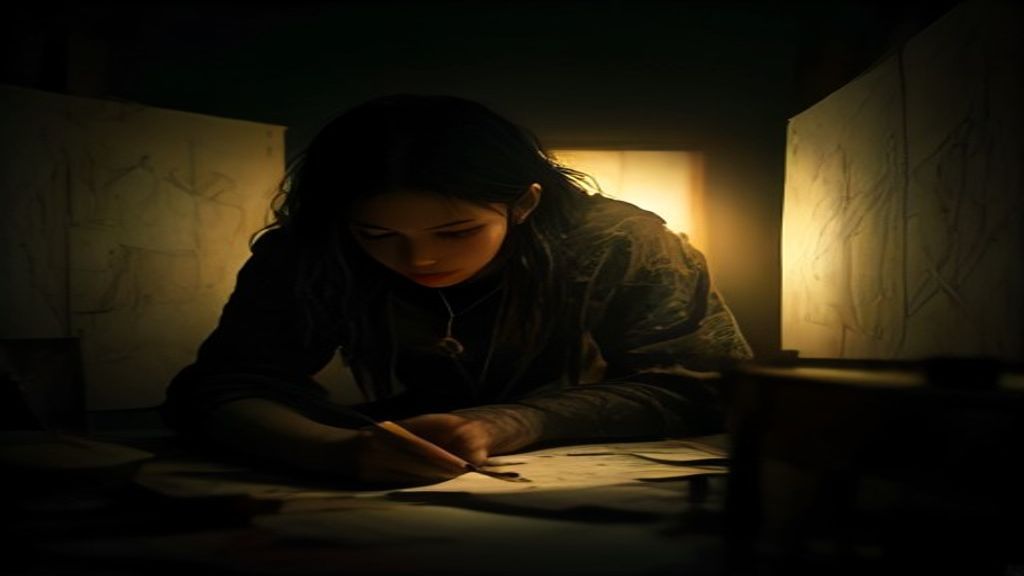
There is a silent crisis lurking inside the sunlit studios and dark digital workspaces of visual artists worldwide. It happens at the exact moment a creator finishes a piece that exceeds their wildest expectations. Instead of cracking open a bottle of champagne or celebrating a hard-fought breakthrough, a heavy, suffocating panic sets in: What if I can never do this again?
For perfectionist creators, making something genuinely great is a rare event. Months of frustrating sketches, anatomical blunders, and botched color palettes usually dominate the daily grind. But when the stars align and a piece turns out brilliant, the emotional high is instantly hijacked by intense imposter syndrome.
 Read next‘Hand Over the Source Files or We’ll See You in Court!’: Inside the Dark, Unfiltered World of Freelance Art Scams
The terror stems from a single, haunting thought: Was this masterpiece a permanent level-up, or just a freak, unrepeatable fluke? Creators describe staring at blank canvases immediately after a success, paralyzed by the fear that their next piece will expose them as a fraud. The pressure of audience expectations becomes a heavy burden. Artists report terrifying inner monologues, imagining clients and fans looking at their new work and asking why their skills suddenly vanished.
This psychological trap creates a bizarre dynamic where panic becomes the primary engine for work. Creators find themselves drawing continuously not out of pure joy, but out of a desperate, compulsive need to prove that their talent wasn't a one-time illusion. If their hands produced a brilliant work once, they reason, they ought to be able to replicate it on demand. Yet the fear of falling short keeps them locked in a cycle of relentless tension.
When artists discuss this phenomenon, two distinct experiences emerge regarding how creators react to reaching a professional high-water mark.
On one side are the growth optimists, who view breakthroughs as undeniable evidence of an artist's evolving technique. One experienced creator noted that after more than a decade of making art and music, they have come to view a creative career as a series of distinct eras. In their view, a peak piece isn't a fluke—it is simply the high mark of a current phase. As the artist grows, experiments, and absorbs new influences, they naturally enter a new era featuring an even higher peak. From this perspective, a great piece sets a permanent new floor for future work.
On the other side are the realists who warn of the inevitable post-peak crash. Multiple creators report entering deep, months-long creative slumps immediately after producing a work they love. The sudden surge of pressure can lead to severe burnout, leaving artists completely unable to pick up a pencil or stylus. Others describe a subtle impulse toward self-sabotage, such as feeling like they 'cheated' to get a good result, or even physically ruining a artwork during the final stages out of subconscious panic.
Ultimately, the phenomenon reveals that creating your best work is as much a mental hurdle as a technical one. Whether a breakthrough is seen as a stepping stone or a heavy burden, managing the psychological aftermath of success remains one of freelancing's toughest challenges.
Our hosts step into the studio to debate the fine line between artistic breakthroughs and total creative burnout on this week's episode of Raw Canvas.