The Kitten Toy Dilemma: How to Entertain a Solo 'Chomper' Without an Emergency Vet Visit
The Kitten Toy Dilemma: How to Entertain a Solo 'Chomper' Without an Emergency Vet Visit · Avonetics
Leaving a young pet home alone can trigger a special kind of parenting anxiety, especially when that pet treats every household object like a chew toy. For owners of energetic kittens under a year old, striking the balance between mental stimulation and physical safety feels like navigating a minefield.
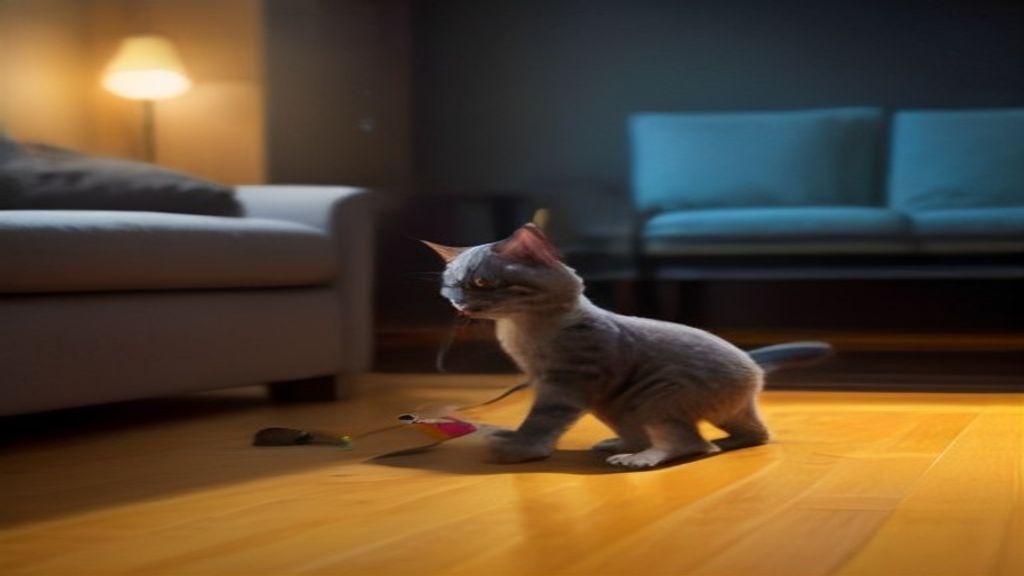
One concerned cat owner recently shared the intense stress of leaving their under-one-year-old kitten home alone during work shifts. With a maximum of four hours spent solo, the kitten has earned a reputation as a heavy 'chomper.' Standard feline entertainment—like string wands, feather feather dusters, and plush ribbons—presents a terrifying threat of swallowed foreign objects and emergency surgeries.
 Read nextThe Great 'Meowtini' Debate: Is Squeezing Treat Paste on Kibble a Genius Hydration Hack?
Currently, the kitten's solo options are limited to a heavy wooden ball track and a few medium sisal balls. But as boredom sets in, the owner faces a classic dilemma: how do you provide rich, varied play for an unsupervised kitten who attempts to swallow everything in sight?
The search for safe solo toys has ignited a passionate discussion among feline enthusiasts, dividing pet parents into two distinct philosophies on home safety and enrichment.
On one side of the debate, experienced cat lovers advocate for lightweight, simple, and virtually indestructible items. Many point to wide plastic springs and ping-pong balls as the gold standard for solo feline entertainment. Lightweight plastic toys allow kittens to chase and bat objects freely without offering soft edges that can be bitten off and swallowed.
Treat-dispensing puzzle balls are another crowd favorite for high-energy chewers. By forcing the cat to work for their food, puzzle feeders redirect aggressive chewing behavior into problem-solving energy, keeping their minds active while their humans are away at work.
This camp also took the opportunity to clear up a widespread misconception regarding young cats and catnip. Many pet parents believe catnip is unsafe for kittens under twelve months old. However, cat behavior experts note that holding off on catnip isn't a safety requirement—it is simply a matter of feline genetics. Kittens under six months generally lack the brain receptors required to respond to catnip, rendering it harmless rather than dangerous.
On the opposing side, ultra-cautious pet parents urge extreme restraint. They argue that aggressive chewers can manage to crush even firm plastic springs, creating sharp edges or small plastic pieces that present real choking risks. Furthermore, free-rolling items like ping-pong balls frequently end up stuck beneath heavy furniture within minutes, leaving the kitten bored and unsupervised for hours.
For this hyper-vigilant group, solo play should be restricted strictly to fixed, heavy play stations—such as solid wooden tower tracks—that cannot be destroyed, swallowed, or lost under the couch.
Ultimately, finding the middle ground requires inspecting toys regularly for wear and tear while understanding your individual pet's chewing style. While no toy is 100% risk-free, combining heavy-duty stationary puzzles with monitored lightweight items offers a balanced approach to keeping young felines safe and happy.
Our hosts get into the gritty details and hand down their final ruling on this week's episode of the podcast.