The Abandoned Hobby Graveyard in Your Closet Is Secretly Wrecking Your Mental Health
The Abandoned Hobby Graveyard in Your Closet Is Secretly Wrecking Your Mental Health · Avonetics
We have all been there. You get a sudden, irresistible burst of inspiration. You decide you are going to become a master baker, an oil painter, a marathon runner, or a tailor. You buy the gear, sign up for the classes, and immerse yourself completely. Then, just as fast as the flame ignited, it snuffs out.
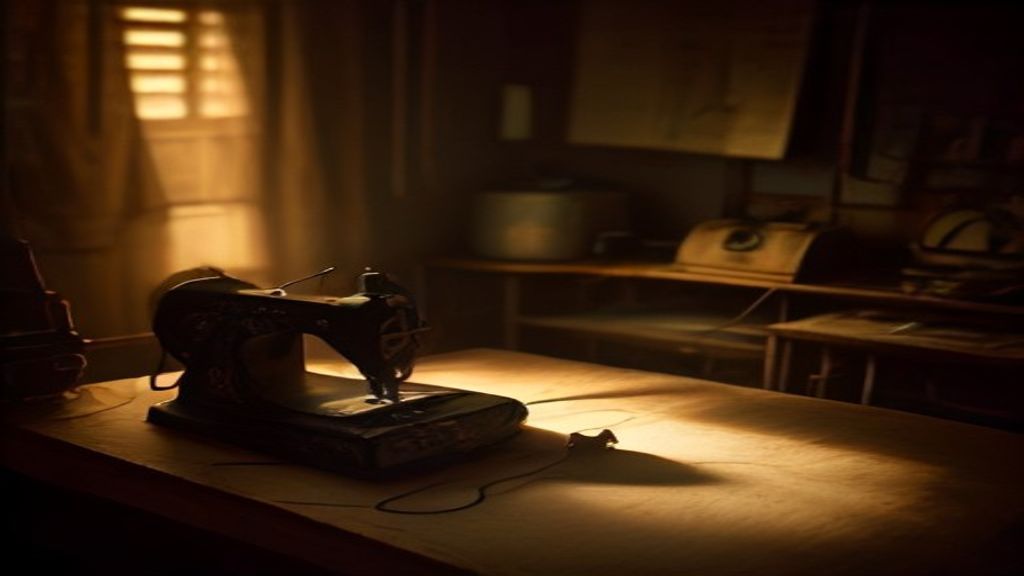
Months later, you open your closet door to grab a jacket, only to be met by the cold, judgmental stare of a $300 sewing machine resting on a pile of uncut fabric. It sits there like a tiny, inanimate monument to your perceived failure.
 Read nextParalyzed by Shame: How Dental Anxiety and Loneliness Trap Adults in Silence
For neurodivergent individuals navigating fluctuating focus and hyperfixation cycles, these abandoned hobbies aren't just taking up physical square footage—they are occupying massive mental bandwidth. The physical objects radiate a persistent background radiation of guilt. Every glance reminds you of spent money, unfulfilled potential, and unfinished projects.
When faced with a closet full of past obsessions, observers tend to split into two fierce camps. The first group advocates for a ruthless purge. They argue that physical clutter directly feeds mental anxiety. Holding onto items out of pure guilt turns your living space into a museum of regret. Rehoming the equipment—whether by selling it online, handing it down to a friend, or donating it to a local 'library of things'—instantly lifts the emotional weight. As one observer put it, your possessions are supposed to serve your present life, not shame you for your past impulses.
The opposing camp preaches patience and preservation. Interests, especially for those with ADHD or intense focus patterns, are rarely dead forever; they are simply dormant. Throwing away expensive gear often leads to deep financial regret when the interest cycle inevitably loops back around two years later. Members of this group suggest building a dedicated 'hobby library'—a storage space out of daily sight where equipment can sit without judgment until the brain decides it is time to build, sew, or paint again.
This culture of shame around how we 'should' manage our lives extends far beyond closet organization. It cuts even deeper when applied to emotional healing and heartbreak.
When navigating a painful breakup, standard modern advice endlessly preaches self-sufficiency: 'Focus on yourself.' 'Do it for you, not them.' But for those going through complex separations, this relentless mantra can feel deeply invalidating. Trying to improve your life while secretly hoping an ex notices your growth doesn't make you weak—it makes you human. Expecting someone to completely sever emotional hope overnight creates a secondary layer of shame that can be harder to carry than the initial heartbreak itself.
Whether dealing with a dusty sewing machine or a broken heart, the lesson remains the same: healing and growth rarely follow a linear script. Forcing yourself into rigid expectations only fuels internal guilt.
Our podcast hosts unpack the emotional math of abandoned hyperfixations and toxic self-help advice on this week's episode of Overthinking.