The 30-Foot Disaster: How an Air Show Stunt Jet Crashed into the Trees with 130 Passengers Onboard
The 30-Foot Disaster: How an Air Show Stunt Jet Crashed into the Trees with 130 Passengers Onboard · Avonetics
On June 26, 1988, thousands of spectators gathered at the small Mulhouse-Habsheim Airfield in France to watch the future of aviation take flight. Airbus was showing off its brand-new A320—a revolutionary jetliner equipped with computerized fly-by-wire flight controls designed to make stalls mathematically impossible.
At the controls was Captain Michel Asseline, a top Air France instructor with over 10,000 flight hours. Behind him in the cabin were 130 passengers, mostly journalists and excitement-seekers taking part in a special promotional tour. The plan was simple: perform a low, majestic pass over the airfield runway, climb out, and show the world what the digital age of aviation looked like.
 Read nextBRAWL AT 35,000 FEET! Off-Duty Captain Tries to Seize Control During Emergency—Then the Cabin Crew Steps In
What happened next remains one of the most debated disasters in aviation history.
As the aircraft approached the field, the crew made a sudden visual correction after realizing spectators were lined up along a short grass strip rather than the main runway. Distracted by the adjustment, the A320 sank dramatically past its planned 100-foot altitude, leveling off at a spine-chilling 30 feet off the ground.
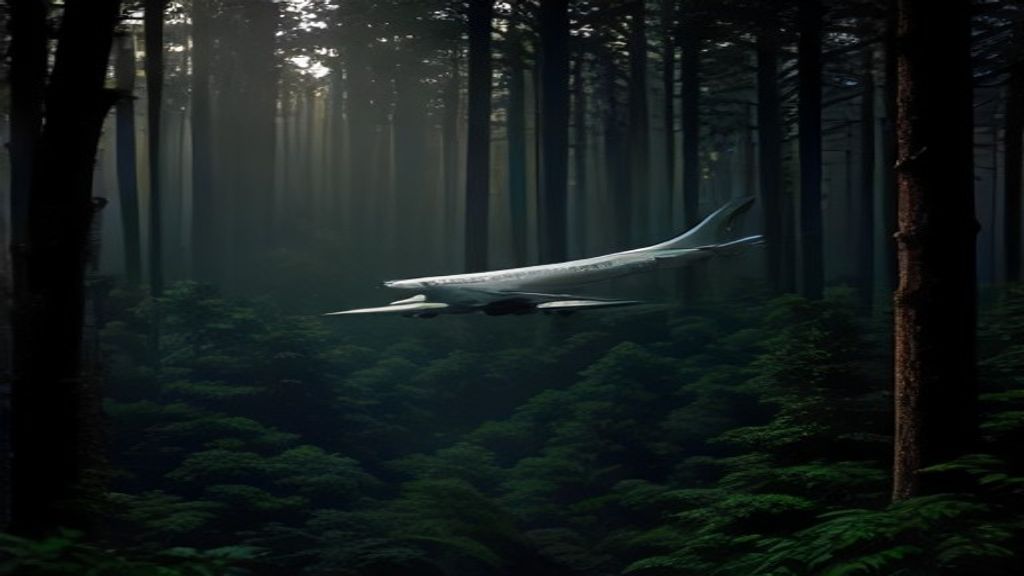
With the engines sitting at idle thrust and the aircraft traveling at minimum speed, the crew suddenly realized what lay directly ahead: a dense wall of tall forest trees. First Officer Pierre Mazières called for maximum power, but modern jet engines require several seconds to spool up from idle.
Seconds later, the sound of splintering wood echoed through the cabin. The A320 sliced into the treetops, losing thrust as the engines ingested branches and leaves. The aircraft pancaked flat into the forest floor, ripping off its right wing and bursting into flames.
Spectators on the tarmac initially snapped photos thinking the dramatic dive was part of the stunt. Inside the burning cabin, chaos erupted. PA systems failed, emergency doors jammed against tree trunks, and passengers struggled with unfamiliar seatbelt buckles. Through the brave efforts of the flight crew, 133 of the 136 people onboard escaped the blazing wreckage. Tragically, three passengers died of smoke inhalation.
In the aftermath, official investigators placed the blame firmly on the crew, citing reckless energy management, low altitude, and delayed go-around decisions. One observer noted that the pilots maneuvered the aircraft into a corner where they depleted altitude, speed, and engine power simultaneously—leaving zero margin for error.
However, Captain Asseline maintained his innocence until his death, claiming the jet’s flight computers entered a landing mode below 30 feet, ignoring his throttle inputs and preventing the nose from pitching up to escape. Critics pointed to missing seconds on flight recorder tapes and accused officials of scapegoating the pilots to protect Airbus’s multi-billion-dollar commercial launch.
In 1997, Asseline was convicted of involuntary manslaughter, but the debate over human pilots versus automated aircraft logic still echoes through flight decks worldwide.
Our podcast hosts unpack every second of the flight recorder data and debate who was truly at fault on this week's episode of Turbulence.