The $10 Military Surplus Hack That Has Wilderness Survivalists Locked in Debate
The $10 Military Surplus Hack That Has Wilderness Survivalists Locked in Debate · Avonetics
When it comes to backcountry shelter and gear haulers, the modern outdoor industry wants adventurers to believe that spending hundreds of dollars on ultralight ripstop nylon and internal frame backpacks is mandatory. But in the world of bushcraft, traditional self-reliance often trumps high-tech consumerism.
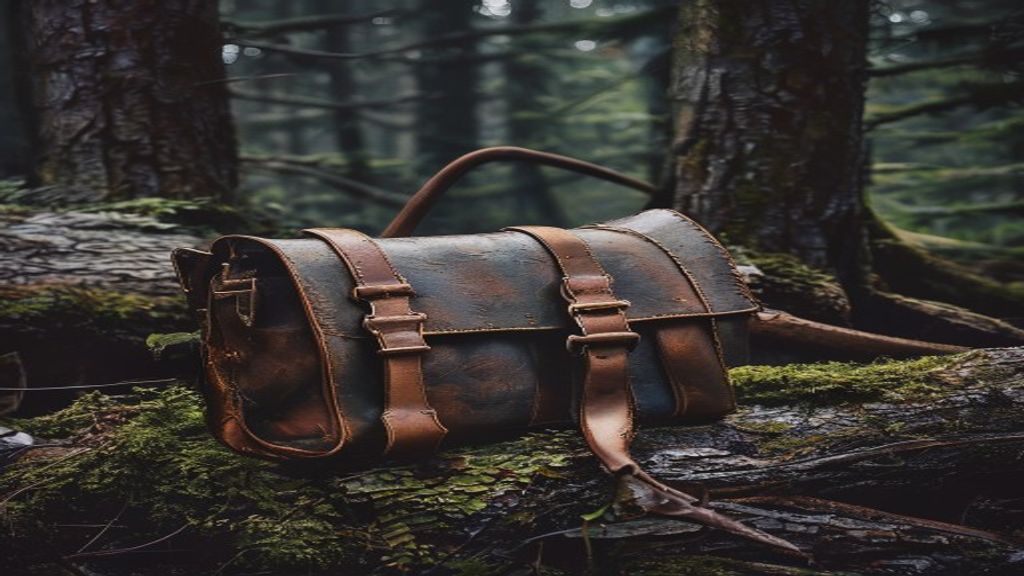
One wilderness enthusiast recently put that ethos to the test by taking a dirt-cheap vintage French military canvas bread bag—sourced from a surplus distributor—and overhauling it into a complete, self-contained overnight survival rig using hand tools, scrap leather, and thrifted hardware.
 Read nextSnow, Slippery Rocks, and 14 Thieving Parrots: Two Hikers Bare All
The modifications are extensive. To solve the problem of a short stock shoulder strap, the designer stitched together a custom three-piece leather strap, adding a wide cowhide shoulder pad to distribute load weight and a D-ring for clipping heavy work gloves. To protect contents from rain and forest debris, they cut a second surplus bag in half and hand-sewed it into the main opening as a drawstring extension collar.
Heavy equipment attachments were built directly onto the exterior. Scrap leather was stitched into a heavy-duty front holster complete with press-button straps, capable of securing a camp axe even with thick leather handle guards installed. On the underside, salvaged leather belts and vintage horse harness buckles were fashioned into bedroll straps, allowing a heavy oilskin tarp and thick wool blanket to be tightly lashed underneath the satchel.
Inside, the compact bag houses a metal canteen with a nesting cook set, solid fuel, food rations, cordage, first aid gear, and fire starters. External brass rings, also harvested from second-hand horse tack, allow an extra water pouch to be clipped to the front, freeing up interior space for additional supplies.
While the project has drawn widespread praise for its ingenuity and low cost, it has also sparked sharp debate among wilderness skill enthusiasts regarding physical practicality.
One commenter questioned the thermal viability of the sleep system, asking whether relying solely on a wool blanket without a self-inflating mattress or foam sleeping pad would lead to a freezing night as body heat leaches directly into the cold ground.
Your brand, right here.Reach story-obsessed listeners in 45+ languages → advertise on AvoneticsAnother observer praised the resourcefulness of the build, arguing that modular, hand-repaired heritage gear made of canvas and leather is far more spark-resistant and durable around a roaring campfire than modern synthetic fabrics.
However, skeptics point out that carrying fifteen to twenty pounds of dense canvas, steel, and water on a single shoulder strap creates asymmetrical strain, which can lead to severe back and neck fatigue over long trail miles.
Whether viewed as a masterpiece of thrift-store resourcefulness or an ergonomic gamble, the project proves that basic military surplus can still be transformed into a functional piece of kit with a little imagination and leatherwork.
On the latest episode of Off Grid, the hosts take a look at this custom bread bag satchel, debating whether classic heritage bushcraft beats modern ergonomic trail gear.