Swim Class Horror: Why Pushing Your Hysterical Toddler Into the Pool Might Backfire
Swim Class Horror: Why Pushing Your Hysterical Toddler Into the Pool Might Backfire · Avonetics
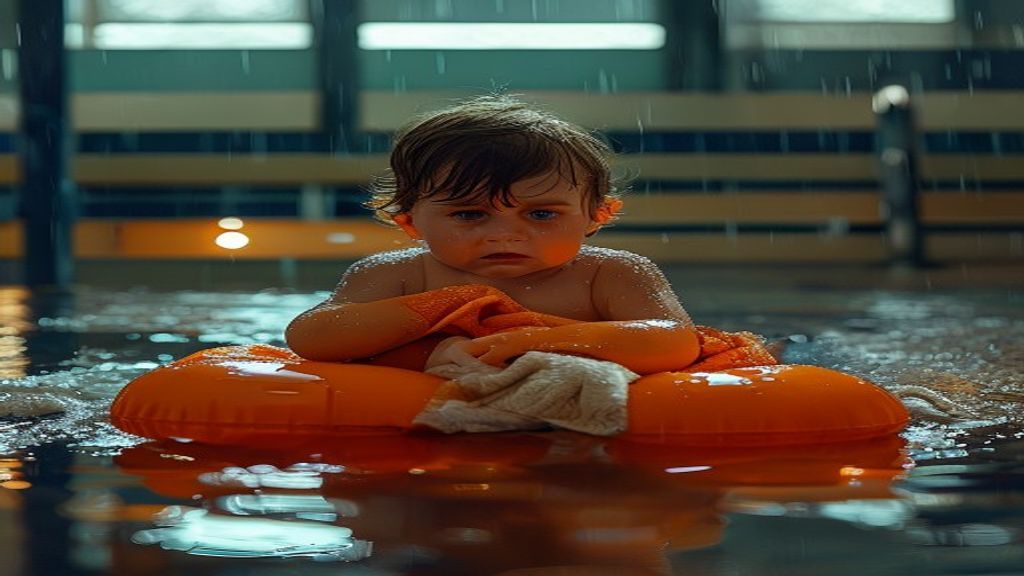
The echoing walls of an indoor aquatic center, the pungent fumes of industrial chlorine, and the heartbreaking sound of a toddler wailing at the top of his lungs. For one exhausted mother, Tuesday afternoon swim class has transformed from a fun milestone into a weekly trial by fire.
Her three-year-old son is not afraid of water in everyday life. In fact, he thrives during evening bath time, joyfully pouring plastic cups of water over his own head. He sprints fearlessly through neighborhood splash pads on hot summer afternoons. Yet, ten weeks into his structured group swim lessons, every single session devolves into an absolute psychological battle.
 Read next‘I Wish I Never Had This Life’: Father’s Raw Confession About Toddlermeltdowns and Marital Resentment Sparks Fierce Debate
Instead of kicking his feet and blowing bubbles with his peers, the boy spends the thirty-minute class curled in a hysterical ball on the concrete steps. The situation has degraded to the point where an instructor must take him to a isolated corner of the pool every week just to keep him from hyperventilating, while other parents cast pitying glances from the bleachers.
After ten agonizing weeks of zero progress, veteran parents are stepping in with urgent advice—and the consensus might surprise those who believe in sticking things out at all costs.
"Take a break," advised one seasoned parent who went through the exact same ordeal with their own child. "We simply stopped going and didn't sign up for the next session. A few months later, he had matured and it went so much better."
Others point to the magic of developmental readiness and social influence over forced instruction. One parent recalled how their daughter fought swim lessons for years, insisting on wearing floaties at all times. That all changed during a Fourth of July pool party when she watched a neighbor's slightly older child swimming freely. Driven by peer motivation, the toddler was swimming across the deep end and diving underwater entirely unassisted within an hour.
Your brand, right here.Reach story-obsessed listeners in 45+ languages → advertise on AvoneticsHowever, another contingent of parents argues that abandoning swim instruction entirely is a dangerous move, given that drowning remains a top hazard for young children. Instead of quitting, they recommend an immediate pivot to private, one-on-one lessons.
"Switch to private," suggested one parent whose sons panicked in group settings. "Both my boys couldn't stand group classes, but they were thriving in private swim classes. Once they were the sole focus, they took right off."
Experts and parents alike note that indoor pools are classic sensory landmines. High ceilings amplify screaming, chlorine stings sensitive eyes and noses, and group classes with dozens of splashing children can trigger fight-or-flight responses in sensitive toddlers. Short, fifteen-minute private sessions or quieter outdoor facilities can eliminate sensory overload without delaying essential safety skills.
Whether this stressed mom should pull her child out until age five or shell out for private instruction is a fierce debate among parents everywhere. On the latest episode of Raising Hell, our hosts dig into this exact story to deliver their final ruling.