Snacks, Blowtorches, and Zero Sleeping Pads: First-Time Camper Sparks Backcountry Firestorm
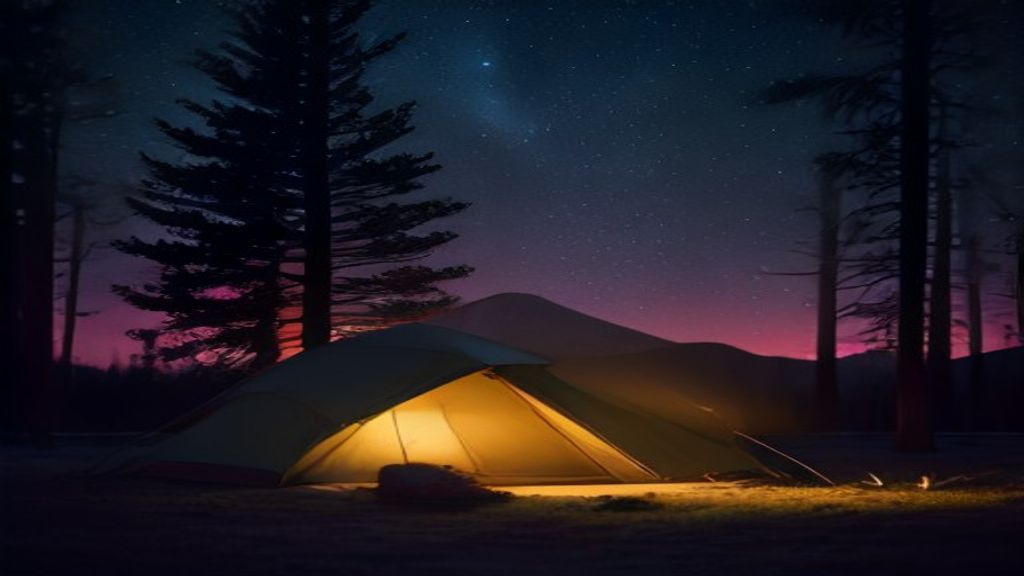
Snacks, Blowtorches, and Zero Sleeping Pads: First-Time Camper Sparks Backcountry Firestorm · Avonetics
An enthusiastic indoor lover is getting a swift lesson in backcountry etiquette after revealing a wild, unconventional packing list for an upcoming wilderness adventure in Grand Marais, Minnesota. Preparing for a three-day, two-night van camping trip with three close friends, the total novice felt confident about contributing to the group effort. The expedition crew boasts impressive credentials on paper: one friend is an Eagle Scout, another is a high-level athlete, and the third owns the van serving as ground transport.
Because the friends agreed to maximize space inside the vehicle by bringing 'one of everything' and sharing all group supplies, the beginner left all the technical gear responsibilities to the experienced members. That means the friends are supplying the tent, the camp kitchen, the tools, and the first-aid kit, leaving the newcomer free to handle secondary logistics, hygiene, and group morale.
 Read nextThe Great Camper Canopy Debate: High-Tension Cables vs Backyard Common Sense
However, a quick look at the beginner's personal packing list has seasoned outdoor enthusiasts double-checking the math. The list features heavy-duty outdoor clothes, cozy nightwear, swimwear, and an abundant supply of extra socks. The hygiene kit is fully stocked with Dr. Bronner’s all-in-one soap, Dude Wipes, micellar face wipes, mouthwash, deodorant, and hypochlorous acid spray. To keep spirits high, the novice loaded up on a massive surplus of party snacks—including mountains of crackers, fresh fruit, and baked sweets—backed up by a Milwaukee power top-off with extra batteries, fire starters, a blowtorch, and half an ounce of high-grade cannabis.
What the list completely lacks, however, is personal survival gear. There is no personal headlamp, no bug spray, no rain jacket, and no explicit mention of an insulating sleeping pad or sleeping bag.
The reaction from veteran outdoors people was instantaneous, splitting the wilderness community down the middle between sympathetic encouragers and stern realists.
One supportive veteran urged the beginner to take a deep breath and enjoy the trip, stating that as long as basic food, water, and shelter are covered, everything else is just extra noise. They emphasized that a positive attitude, willingness to be uncomfortable, and eagerness to learn are far more valuable than top-of-the-line outdoor gear. Another observer shared practical camp hacks, suggesting that wrapping a headlamp around a gallon jug of water creates an instant ambient lantern, while recommending board games or playing cards for evening entertainment around the fire.
However, strict backcountry purists were far less forgiving, raising urgent red flags about blind reliance on group members. One critic pointedly asked if the beginner had explicitly confirmed that a sleeping bag and sleeping pad were being provided, warning that 'sleepover rules' rarely translate to outdoor camping. With overnight temperatures in Grand Marais dipping into the 50s, sleeping directly on the cold ground without an insulating pad can cause rapid body heat loss, turning a peaceful night into an icy ordeal.
Other experienced hikers pointed out that omitting rain gear and insect repellent is a rookie blunder that can ruin an entire expedition. A sudden downpour without waterproof outerwear leaves a camper soaked and shivering, forcing the entire group to abandon the campsite early or huddle inside a crowded vehicle.
This debate over beginner preparedness mirrors a larger, alarming trend noticed by industry insiders across North America. A veteran New England mountain guide with over fifteen years of professional backcountry experience recently voiced an existential crisis regarding the exploding popularity of the outdoors. Recalling a recent visit to Yellowstone National Park, the guide described pristine wilderness overwhelmed by massive crowds viewing landmark sites exclusively through smartphone screens, while park restrooms were left in horrifying states of neglect.
The veteran guide openly questioned whether the commercial push to get as many people outdoors as possible is ultimately backfiring. While national parks were created to foster environmental stewardship through direct contact with nature, overtourism and unprepared visitors may now represent the single greatest threat to preserving wild ecosystems.
This clash raises uncomfortable questions for anyone heading into the backcountry: when does welcoming a beginner turn into enabling liability, and are our wild places being loved to death?
On the latest episode of Off Grid, the hosts clash over beginner packing blunders, backcountry group dynamics, and whether overtourism is destroying our wild spaces forever.