Skin for a Dart: The Epic Sacrifice That Altered Ancient India’s Greatest War

Skin for a Dart: The Epic Sacrifice That Altered Ancient India’s Greatest War · Avonetics
 Niagara Sleep Solution Twin Ultra Soft
Niagara Twin Mattress Topper is made from rayon derived from bamboo fiber and fits mattresses 8-20 inches deep. The mattress topper twin is 39x75 inches in size, gentle on sensitiv…
See it →
Niagara Sleep Solution Twin Ultra Soft
Niagara Twin Mattress Topper is made from rayon derived from bamboo fiber and fits mattresses 8-20 inches deep. The mattress topper twin is 39x75 inches in size, gentle on sensitiv…
See it →
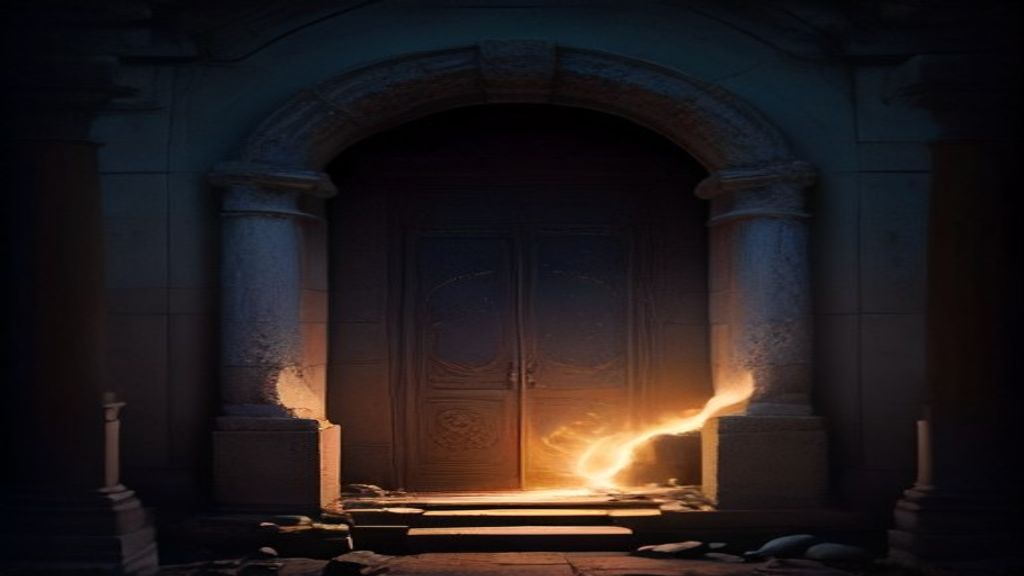
On the mist-shrouded banks of a sacred river, an ancient warrior made a choice that would echo through millennia of epic lore. Karna, the sun-born champion of the Mahabharata, possessed an insurmountable advantage on the eve of the great Kurukshetra war: celestial armour fused directly to his body and divine golden earrings that rendered him entirely invulnerable to mortal weapons.
Yet, as the legend goes, the King of the Gods himself, Indra, stepped down from the heavens disguised as a humble Brahmin seeking alms. Indra knew that so long as Karna wore his sun-forged skin, his own son, Arjuna, could never prevail. Exploiting Karna's solemn vow never to refuse charity during his morning prayers, the disguised deity demanded the warrior's golden armour.
 Read nextHero or Villain? The Internet Is Raging Over Mahabharata’s Most Tragic Warrior
Understanding precisely who stood before him, Karna did not flinch. Drawing his blade, he carved the divine armour directly from his living flesh and severed his golden earrings, handing the bloodied relics to the astonished god. Moved by such unmatched nobility, Indra granted him a single-use divine dart, the Vasavi Shakti, capable of destroying any adversary.
That ultimate weapon, reserved exclusively for his fateful duel with Arjuna, would never reach its intended target. During the harrowing fourteenth night of battle, the giant half-demon Ghatotkacha unleashed catastrophic dark magic upon the retreating forces of the Kauravas. Swept up in panic, King Duryodhana begged Karna to intervene. Bound by brotherhood and immediate necessity, Karna reluctantly loosed his single celestial dart, vaporizing Ghatotkacha but leaving himself utterly defenceless for the rest of the war.
Modern scholars and lore enthusiasts remain intensely divided over Karna’s fateful choice. One spiritual scholar noted that Karna’s sacrifice represents the highest manifestation of personal honor, demonstrating that true moral integrity outshines even divine trickery. Another commentator argued that by prioritizing his sacred oath above his own life, Karna proved that human virtue could transcend the manipulative games of the gods.
 Milk Frother and Steamer
, 4-in-1 Automatic Hot and Cold Foam Maker with Detachable Stainless Steel Milk Jug, 500W Milk Warmer for Latte, Cappuccinos, Macchiato, and Hot Chocolate
See it →
Milk Frother and Steamer
Milk Frother and Steamer, 4-in-1 Automatic Hot and Cold Foam Maker with Detachable Stainless Steel Milk Jug, 500W Milk Warmer for Latte, Cappuccinos, Macchiato, and Hot Chocolate
See it →
Conversely, critical observers view the story as a sobering cautionary tale about misapplied loyalty and tragic vanity. One analyst argued that Karna’s rigid commitment to his public reputation as a giver blinded him to the wider moral consequences of fighting for an unjust regime. Another observer noted that panic on the battlefield forced Karna to squander his divine dart on a side-show opponent, proving that even the grandest sacrifices can be undone by poor tactical calculation.
Whether celebrated as an unblemished martyr or critiqued as a tragic hero undone by pride, Karna's cut-from-the-skin sacrifice remains one of the most powerful narratives in human history.
On this episode of the podcast, our hosts pull apart the blood, duty, and divine politics behind Karna's ancient sacrifice.