Scalpings, Gangrene, and 150 Real Lions: Inside the 'Most Dangerous Movie Ever Made'
Scalpings, Gangrene, and 150 Real Lions: Inside the 'Most Dangerous Movie Ever Made' · Avonetics
 ZAFRO Smart Inverter Portable Air Conditioners
【Powerful Inverter Cooling with Dual Hose System】- ZAFRO smart inverter portable air conditioners is powered by upgraded inverter compressor and a dual hose system, this portable a…
See it →
ZAFRO Smart Inverter Portable Air Conditioners
【Powerful Inverter Cooling with Dual Hose System】- ZAFRO smart inverter portable air conditioners is powered by upgraded inverter compressor and a dual hose system, this portable a…
See it →
Hollywood loves a troubled production story, but nothing in modern cinema history compares to the sheer madness that unfolded on the set of the 1981 cult feature Roar.
Written, directed, and funded by producer Noel Marshall and starring his wife, Alfred Hitchcock muse Tippi Hedren, the project set out with a noble premise: raise awareness for big cat conservation by making a lighthearted family film about living in harmony with lions. The execution, however, was pure survival horror.
 Read nextIce Buckets, Fired Directors, and Jungle Mutinies: Inside Hollywood's Most Unhinged Movie Set Ever
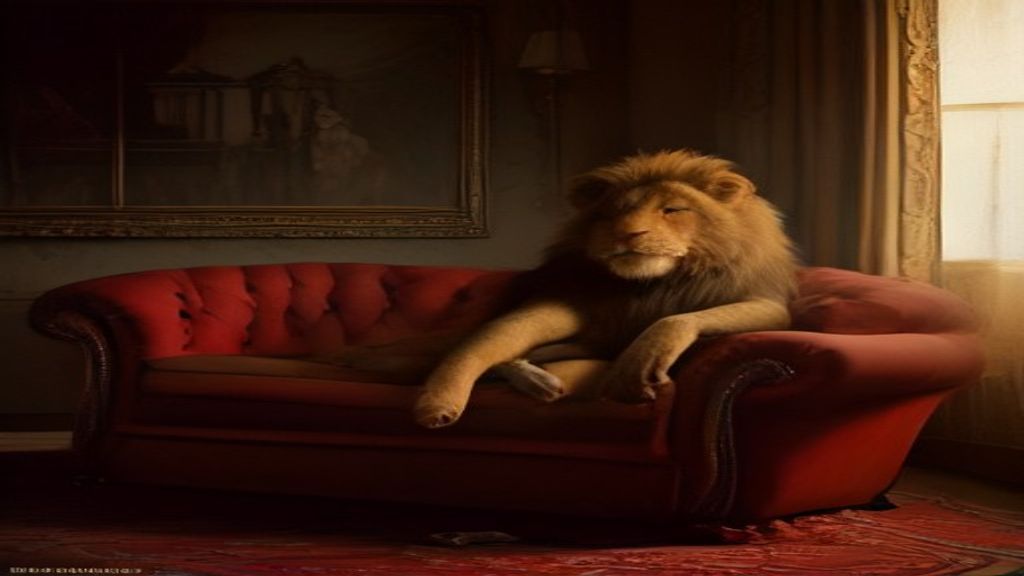
Instead of hiring trained Hollywood animals, Marshall and Hedren brought over 150 real, untrained lions, tigers, leopards, and cougars to a ranch in Acton, California. The result was an 11-year descent into chaos that nearly cost the entire family—and their crew—their lives.
The famous promotional tagline for the film eventually read: "No animals were harmed in the making of this movie. 70 members of the cast and crew were." That number was far from a hyperbole.
During production, future Speed director Jan de Bont served as the film's cinematographer. While trying to capture a close-up shot, a lion pounced on him, scalping him completely. De Bont required 220 stitches to reattach his scalp before returning to set.
Tippi Hedren suffered a fractured skull after being thrown by an elephant and later contracted gangrene in her leg following a lion bite. Her daughter, a teenage Melanie Griffith, was savagely clawed across the face, requiring emergency reconstructive surgery and 50 stitches to save her eye.
Marshall himself was bitten dozens of times, suffering systemic blood poisoning that left him hospitalized for months. Yet, despite the endless medical emergencies, he kept the cameras rolling.
Crew members deserted the project in droves. Operators refused to shoot unless locked inside protective steel cages, leaving Marshall to operate cameras himself while standing totally exposed in field filled with roaring predators.
 Amazon Fire HD 8 Kids tablet
 (newest model), ages 3-7. With bright 8" HD screen. Includes ad-free and exclusive content, · Tech
See it →
Amazon Fire HD 8 Kids tablet
Amazon Fire HD 8 Kids tablet (newest model), ages 3-7. With bright 8" HD screen. Includes ad-free and exclusive content, · Tech
See it →
Nature seemed equally determined to stop the production. In 1978, a massive dam burst near the ranch, triggering a flash flood that swept away the set, killed three lions, and destroyed years of film footage. The disaster alone added millions to the budget and pushed production back by two full years.
To keep the sinking ship afloat, Hedren and Marshall sold their personal art, real estate, and property, driving the original $3 million budget up to a staggering $17 million.
When Roar finally hit international theaters in 1981, it was an absolute financial disaster, recovering just $2 million. It failed to even secure a theatrical release in the United States at the time.
Today, the film enjoys legendary status in online film forums and cult cinema circles. Debates rage over whether the project should be viewed as an astonishing, irreplaceable work of dangerous art or a horrifying monument to Hollywood ego and child endangerment.
One commentator noted that watching the film feels like witnessing an actual snuff movie in reverse, where the actors are constantly on the edge of being devoured. Another argued that despite the foolishness of the production, the raw, unfiltered footage of giant cats interacting with humans on that scale will never be seen again in cinema.
The hosts of Backlot Lore break down the wildest stories from the set and debate whether this movie was visionary genius or sheer insanity on this week's episode.