Puppy Mill or Ethical Breeder? The Red Flags Every Dog Lover Must Know

Puppy Mill or Ethical Breeder? The Red Flags Every Dog Lover Must Know · Avonetics
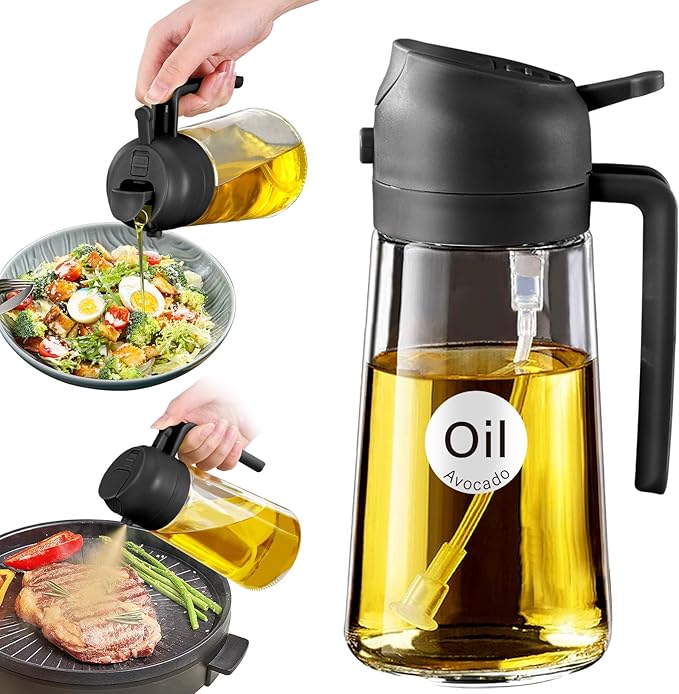 YARRAMATE 2-in-1 Glass Olive
Dual-Function Design & Multi-Purpose: Oil spray bottle for cooking offers the convenience of both spraying and pouring oil, suitable for a wide range of food preparation processes…
See it →
YARRAMATE 2-in-1 Glass Olive
Dual-Function Design & Multi-Purpose: Oil spray bottle for cooking offers the convenience of both spraying and pouring oil, suitable for a wide range of food preparation processes…
See it →
The dream of bringing a fluffy new puppy home has transformed into an emotional minefield for prospective pet parents across the country. Gone are the days when bad breeding operations hid in obvious, filthy barns at the end of forgotten dirt roads. Today, high-volume commercial puppy mills operate sleek, camera-ready websites, run curated social media accounts, and advertise polished credentials designed to give suburban families total peace of mind.
Distinguishing between an ethical, high-standard breeder and a profit-driven canine factory requires looking far beyond cute photos, soft lighting, and heartwarming claims of "family-raised" litters. As thousands of passionate dog lovers debate the subtle warning signs of irresponsible breeding, one unexpected indicator tops the list of major red flags: official government agricultural licensing.
 Read nextThe Great 'Meowtini' Debate: Is Squeezing Treat Paste on Kibble a Genius Hydration Hack?
While a federal license might sound like a gold standard of safety to the average prospective buyer, experienced animal advocates warn that it is often the exact opposite. One commenter pointed out that federal agriculture licenses exist specifically to regulate commercial livestock and factory farms. Under these bare-minimum legal standards, dogs can spend their entire lives inside small wire-bottom cages without adequate socialization or comfort, all while remaining fully compliant with government rules. A breeder proudly advertising a federal commercial license is almost certainly running a high-volume factory farm rather than a humane, home-centered breeding program.
To guarantee true health and uncompromising ethical standards, strict dog enthusiasts insist that buyers look for official parent club memberships, proven show titles, and rigorous orthopedic veterinary clearances. One reviewer noted that basic mail-in DNA test kits are often used as a marketing gimmick rather than genuine health clearance, emphasizing that parent dogs must undergo formal joint and organ evaluations through certified veterinary registries before being bred. Furthermore, ethical breeders limit production to just one or two litters per year, maintain active waiting lists, require strict return contracts, and never inflate prices based on trendy coat colors or designer crossbreeds.
However, a vocal segment of the pet community argues that these rigid checklists create an unrealistic, elitist barrier for everyday families seeking a companion animal. Another contributor pointed out that winning ribbons in a dog show ring evaluates physical cosmetics and breed aesthetics, not whether a dog possesses a calm, emotionally stable temperament suitable for a busy household. They argue that setting the standard impossibly high makes acquiring a healthy pet feel like an exclusive club, inadvertently pushing frustrated buyers toward unvetted online listings. Meanwhile, rescue advocates emphasize that amid nationwide shelter overcrowding, spending thousands of dollars on boutique show lines ignores the millions of shelter animals in urgent need of adoption.
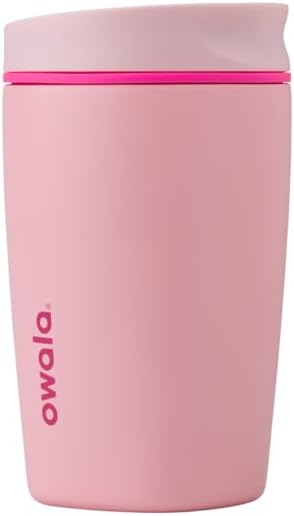 Owala SmoothSip Slider Insulated Stainless Steel
12-ounce insulated stainless-steel tumbler with a completely leak-proof lid. SmoothSip Slider spout offers an ultra-comfortable sip every time. Slide-top spout design prevents spla…
See it →
Owala SmoothSip Slider Insulated Stainless Steel
12-ounce insulated stainless-steel tumbler with a completely leak-proof lid. SmoothSip Slider spout offers an ultra-comfortable sip every time. Slide-top spout design prevents spla…
See it →
The complex, emotional journey of pet ownership extends far beyond bringing a puppy home—it also involves navigating the profound heartbreak when a beloved animal passes away. When a long-term pet succumbs to illness, surviving animals in the household often experience severe emotional distress that manifests in alarming physical and behavioral shifts.
Pet parents frequently report surviving cats wandering hallways late at night, calling out continuously for their missing companion, refusing to approach their standard food bowls, and withdrawing into complete isolation. Supporting a mourning animal while managing one's own grief requires immense emotional reserve, gentle routine adjustments, and quiet presence during moments of shared distress.
Whether evaluating breeder contracts or comforting a mourning cat, pet parenthood demands constant vigilance and deep empathy. Knowing what to look for—and what red flags to avoid—can mean the difference between supporting cruel commercial exploitation and giving an animal a happy, healthy life.
On the latest episode of Off Leash, our hosts tear into the breeder red flag debate, unpack whether dog show standards are elitist, and share deeply moving strategies for helping a grieving pet heal.
 Sony WH-1000XM5 headphones
Whether you work in a noisy office or travel often, Sony WH-1000XM5 headphones deliver outstanding noise cancellation and exceptional comfort. They are ideal for anyone who wants to stay focused or enjoy rich, detailed audio anywhere. Check out the link in the episode description.
Learn more →
Sony WH-1000XM5 headphones
Whether you work in a noisy office or travel often, Sony WH-1000XM5 headphones deliver outstanding noise cancellation and exceptional comfort. They are ideal for anyone who wants to stay focused or enjoy rich, detailed audio anywhere. Check out the link in the episode description.
Learn more →