Pie Pan Panic: Is Your Perfectly Flaky Crust Leaking Butter All Over the Place?
Pie Pan Panic: Is Your Perfectly Flaky Crust Leaking Butter All Over the Place? · Avonetics
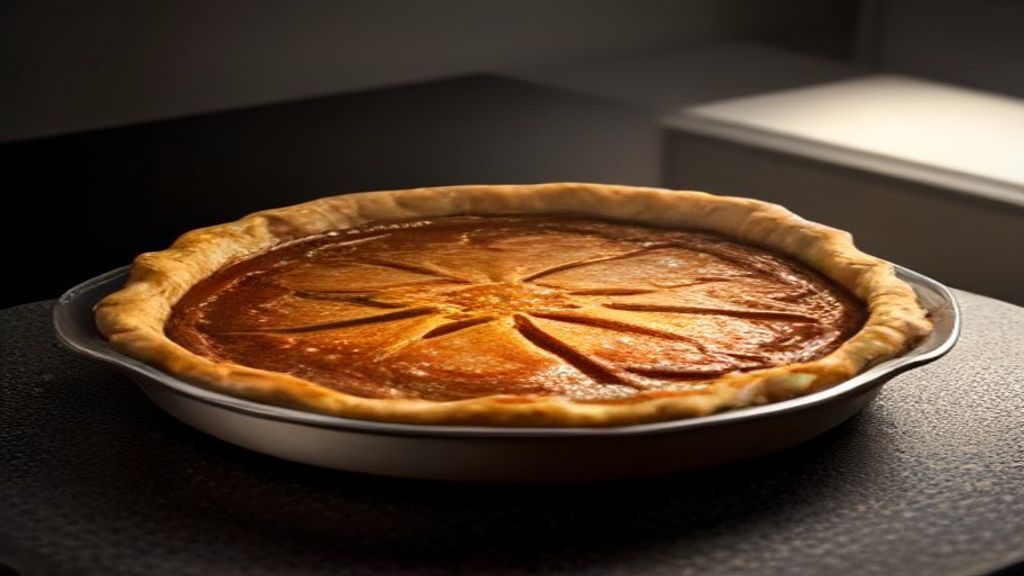
The quest for the perfect pie crust can be a culinary Everest, filled with flaky triumphs and buttery disappointments. One home baker, meticulous in their craft, recently shared their frustration: their pie crusts, while tender and flaky, consistently leave a slight sheen of butter on the bottom of the pan.
The baker, who follows a revered Serious Eats recipe, details their precise method: cubed butter, quick kneading, multiple chilling and folding stages. Despite using the recommended flour and achieving a beautiful texture, the minor leakage persists. "The only thing I can think of is the butter is melting too much when I roll it out thin to fold it," they speculate.
 Read nextKitchen Sabotage and Tip Stealing: Inside the Service Industry Bullying Scandals Driving Workers to the Brink
Responses from seasoned cooks offer differing perspectives. Some argue that a touch of butter seepage is perfectly normal, a natural byproduct of a rich, flaky dough. "A little bit of butter left behind in the pie dish is pretty normal in my opinion. It sounds like you've got it down at this point," one commenter said, suggesting the baker might be over-scrutinizing a non-issue. The importance of chilling is echoed, with another person stating, "Resting/chilling is the secret to not having your dough leak."
However, others point to equipment as a potential culprit. "What kind of pan are you using? I used glass for ages until someone on here recommended aluminum," someone else argued. They explain that aluminum heats up faster, giving the crust a better chance to set before the butter has a chance to escape.
Beyond the leakage, the frustrated baker also posed a practical question: what to do with less-than-perfect pastry crusts? This sparked ideas for repurposing, hinting at a creative solution for any baking mishaps.
Your brand, right here.Reach story-obsessed listeners in 45+ languages → advertise on AvoneticsThis debate highlights a common dilemma for home bakers: is perfection attainable, or is a slight imperfection an acceptable trade-off for incredible flavor and texture? The answers vary, emphasizing both technique and the subtle influence of baking tools.
And speaking of perfect texture, let's turn our attention to the main course! After tackling pie crusts, the conversation pivoted to achieving perfectly crispy oven-baked chicken thighs. Another home cook is armed with all the right tools – a wire rack, a silicone brush, and a probe thermometer – aiming for bone-in thighs cooked to 185-195°F (85-90°C).
Their questions are plentiful: should oil be brushed only on the skin or the entire chicken? They wonder about substituting neutral soybean oil for olive oil, given its higher smoke point, and if the oven temperature should be increased to 480°F (250°C) for extra crispness. The age-old question of flipping the chicken halfway through also arises, as does the strategic use of an oven broiler for that final, golden crunch.
This culinary journey from flaky pie crusts to crispy chicken thighs proves that even with the right tools and recipes, small adjustments can make a world of difference in the kitchen. Our hosts on Overcooked dig into these dilemmas, offering their take on how to master both.