Into the Whiteout: Inside the Perilous 20km Rain-Soaked Descent Down Mount Uludağ
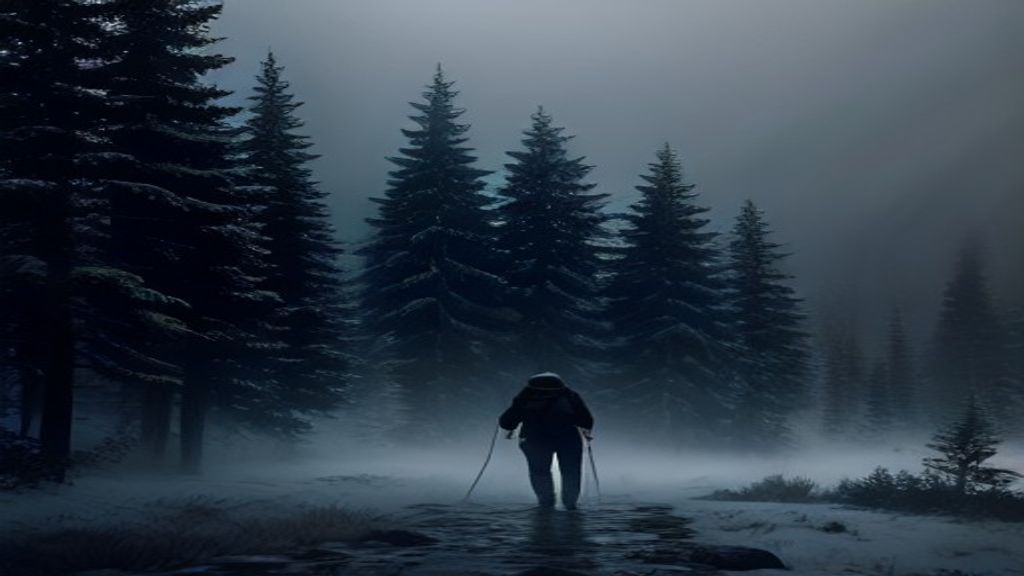
Into the Whiteout: Inside the Perilous 20km Rain-Soaked Descent Down Mount Uludağ · Avonetics
There is something strangely captivating about stepping out of a warm cable car and into a sea of absolute whiteout. At the upper station of the Uludağ Teleferik in Bursa, Turkey, high above the Teferrüç base station, the mountain sky is not blue. It is an impenetrable, swirling blanket of freezing mist and steady rain.
For brave adventurers willing to lock their boots and press forward, this misty summit marks the beginning of a grueling 20-kilometer trek down Mount Uludağ to Zeyniler Village. The journey drops thousands of feet through wild alpine forest, sharp rock bands, and slippery mountain trails. But as misty rain slickens every stone along the route, the line between an unforgettable mountain epic and a dangerous backcountry mishap grows razor-thin.
 Read nextThe Great Camper Canopy Debate: High-Tension Cables vs Backyard Common Sense
The expedition begins with a smooth cable car ride from Bursa up to the summit station. The Uludağ Teleferik offers panoramic views of the valley below—until the car pierces the cloud layer. By the time hikers step onto the platform, visibility is reduced to mere meters. The rain is light but relentless, coating pine needles, granite slabs, and mountain mud in a wet sheen.
The path down to Zeyniler Village is rated moderate-to-hard under dry conditions. In the wet, it pushes firmly into demanding territory. Downhill hiking places enormous pressure on knees and quadriceps, and wet earth turns every step into a test of friction. Trekking poles bite into soft clay, while grippy waterproof boots struggle to find traction on mossy rock faces.
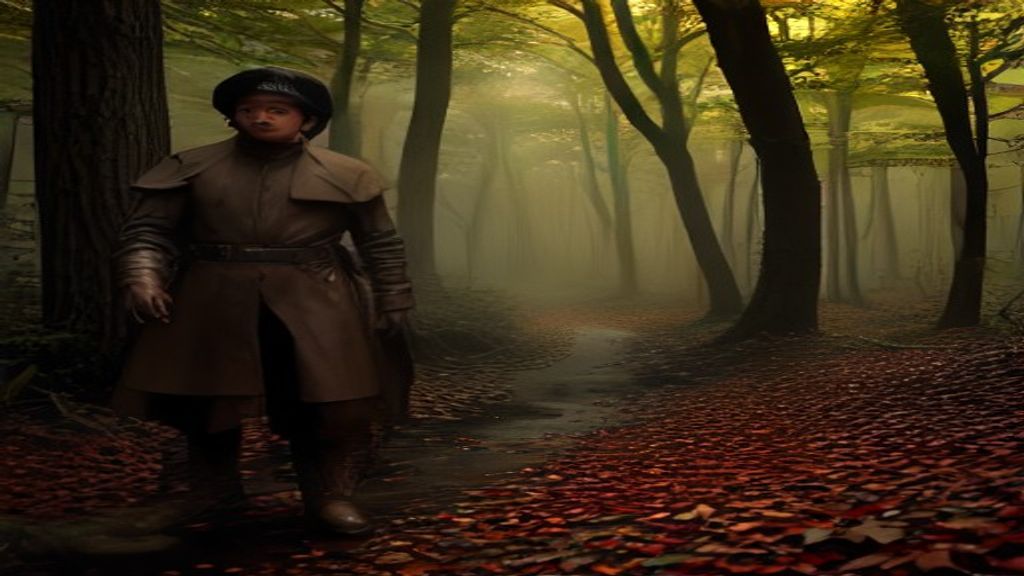
Yet for those who push through the physical discomfort, the mist transforms Mount Uludağ into a surreal, almost mythical landscape. Towering mountain pines appear like ghost-like silhouettes through the gray haze. The sounds of distant bird calls and dripping foliage echo through the quiet woods, creating a tranquil, dreamlike atmosphere that clear sunshine can never replicate.
As the hours tick by, navigation becomes a primary challenge. Cloud cover masks surrounding landmarks, forcing hikers to rely heavily on trail markers and GPS tracking. The temperature drops noticeably in the rain, making steady movement crucial to prevent chilled limbs and shivering. Every mile demands unbroken concentration, as one careless step on a rain-slicked root could mean a sprained ankle miles away from help.
Eventually, after kilometers of intense downhill strain, the misty forest opens to reveal the welcoming red roofs of Zeyniler Village. From there, local minibuses and taxis connect back to the bustling streets of Bursa, bringing hikers back to civilization after hours isolated in the clouds.
Your brand, right here.Reach story-obsessed listeners in 45+ languages → advertise on AvoneticsThe intense trek has sparked sharp debate among outdoor communities regarding the wisdom of taking on technical alpine descents in adverse weather.
On one side, atmospheric advocates argue that rain and fog are what give wilderness treks their soul. One commenter noted that misty trails offer an intimate, cinematic experience that fair-weather tourists miss out on. Another argued that with high-quality footwear, proper layering, and trekking poles, navigating slippery terrain is simply a standard outdoor skill that builds mental toughness.
On the other side, safety realists urge caution, warning that high-gradient downhill treks in low visibility are ripe for emergency calls. One veteran hiker pointed out that downhill fatigue combined with slippery clay dramatically increases fall risks, while fog hampers rescue operations if an injury occurs. Another argued that turning back or taking the cable car back down is the smarter choice when weather turns bad.
The hosts on Off Grid dig into this slippery mountain debate, taking sides on whether foggy descents are ultimate adventure goals or unnecessary backcountry hazards.