I Spent Four Hours Braising Lamb Shank—And Ended Up With Culinary Jerky
I Spent Four Hours Braising Lamb Shank—And Ended Up With Culinary Jerky · Avonetics
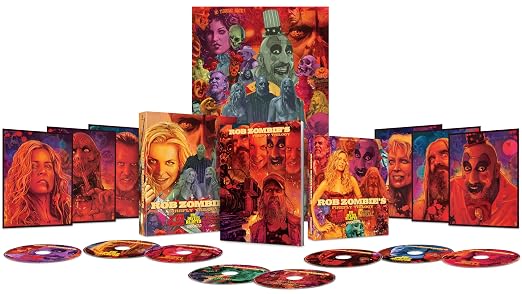 Rob Zombie Triple Feature
 - BLURAY, Digital, 4K ULTRA HD : Rob Zombie: Movies & TV
See it →
Rob Zombie Triple Feature
Rob Zombie Triple Feature - BLURAY, Digital, 4K ULTRA HD : Rob Zombie: Movies & TV
See it →
We have all been mesmerized by those glossy, hyper-edited cooking clips. A sleek pan appears on screen, a pristine lamb shank hits the sizzling oil, a glass of wine is raised in a casual toast, and suddenly—poof—a perfectly tender piece of meat slides off the bone. It looks seamless, foolproof, and irresistibly simple.
Driven by that exact visual promise, one ambitious cook decided to stop saving bookmarked clips and finally give a four-hour lamb shank braise a shot. Armed with high expectations and a bottle of wine, they seared the meat, built the braising liquid, and slid the heavy pot directly into the oven.
 Read nextThe Great Broth Betrayal: Why Your Homemade Vegetable Stock Tastes Like Salty Water
Four hours later, reality struck. The bottom half of the shank, resting comfortably in the braising liquid, came out melt-in-your-mouth tender. The top half, completely exposed to the oven’s roasting environment, had dried out into a tough, impenetrable block of lamb jerky. The missing step that the snappy video failed to emphasize? A simple, unassuming pot lid.
Despite the dual-texture catastrophe, the cook still ate it, noting with equal parts satisfaction and frustration that the tender half tasted spectacular. The flavor was there, proving that the recipe itself was sound—it was the execution that fell apart under the dry heat of an uncovered pot.
The mishap sparked a heated debate among seasoned home cooks and industry pros about the rise of aesthetic-first food media. Many were quick to criticize short video formats for hiding essential techniques behind snappy jump cuts.
 Hadestown
: The Musical [Blu-ray] : Brett Sullivan, Reeve Carney, André De Shields, Amber Gray, Eva Noblezada: Movies & TV
See it →
Hadestown
Hadestown: The Musical [Blu-ray] : Brett Sullivan, Reeve Carney, André De Shields, Amber Gray, Eva Noblezada: Movies & TV
See it →
One commenter noted that short clips are built for entertainment rather than instruction, often skipping basic rules like lid retention, intermediate liquid checks, and meat rotation. Another pointed out that the glowing, silky finishes seen on screen are frequently the result of cold butter swirled in at the very last second specifically for the camera, rather than a natural outcome of the cooking process.
However, others came to the defense of the trial-by-fire approach. One reader argued that as long as the dish remains edible, a kitchen mistake is a valuable milestone rather than a defeat. Learning through hands-on error, they suggested, builds culinary intuition far faster than reading a pristine textbook ever could. Another added lightheartedly that as long as there is enough wine in the kitchen, the only thing truly damaged during a cooking fail is the chef's ego.
The debate highlights a growing dilemma for modern home cooks balancing fast-paced video inspiration with technical reality. Whether it is forgetting a lid on a braise or worrying if a parmesan-heavy kale sauce will split in the freezer, real kitchen success often requires looking beyond the screen.
Our podcast hosts dive straight into this culinary showdown on this week's episode of Overcooked.