Grave Robbing in the Cloud? The Wild $150M Royalties War Over Hollywood’s Dead Stars!
Grave Robbing in the Cloud? The Wild $150M Royalties War Over Hollywood’s Dead Stars! · Avonetics
Hollywood is facing an absolute meltdown over digital necromancy, and the fallout is getting messy fast.
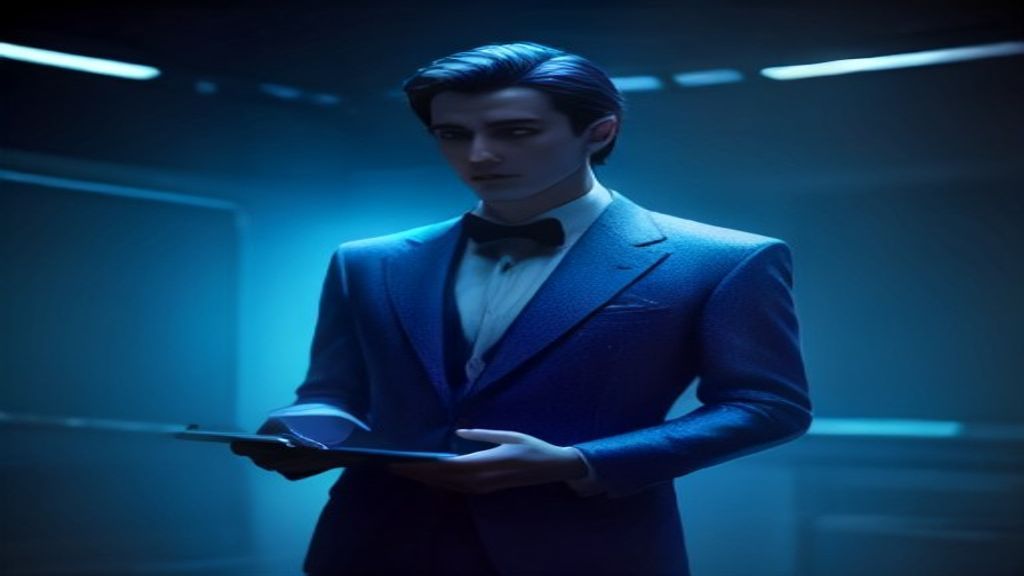
A major corporate conglomerate thought it had cooked up the marketing stunt of the decade by casting a legendary 1950s screen icon in a high-octane commercial for an energy drink. The catch? The actor died thirty-five years ago. Using hundreds of hours of old movie footage and archival audio, tech developers built a photorealistic AI avatar that leaps through neon skyscrapers while clutching a neon can of caffeine. The campaign generated hundreds of millions of views overnight, but it also ignited an absolute firestorm.
 Read nextHollywood Got Scary Skinny Again — And Everyone Has a Theory Why
The late actor's surviving family members filed a jaw-dropping $150 million lawsuit in federal court this week. They claim the company stole the icon’s identity, desecrated his personal legacy, and subjected his living descendants to emotional distress. The estate’s legal team insists that no amount of corporate double-talk can justify transforming a beloved cultural figure into a puppet for processed sugar drinks.
However, the tech giant behind the campaign is refusing to back down. They claim that original studio agreements signed back in the 1950s granted perpetual distribution rights for any future media technologies. In short, their legal team argues that an AI-generated digital clone is legally no different than airing a re-run on television.
The internet immediately erupted into chaos over the scandal. One commenter wrote that watching a digital phantom shill modern products felt deeply disrespectful and bizarrely dystopian. Another argued that if an estate owns the property rights to a brand, they should have every right to monetize it however they see fit to keep the legacy alive.
Performers and unions are joining the outrage, expressing deep fear that living talent will be systematically squeezed out of jobs if studios can simply license synthetic versions of deceased legends for a fraction of the cost. With patchwork laws varying wildly from state to state, this suit could set a permanent legal precedent for who actually owns your face and voice once you are gone.
The hosts of Front Page dig into this story on the podcast, untangling the legal mess and debating who really wins when the dead come back for a paycheck.