Gasping for Air at 15,000 Feet: An Andes Glacier Trek Reveals Climate Tragedy and Backcountry Gear Chaos
Gasping for Air at 15,000 Feet: An Andes Glacier Trek Reveals Climate Tragedy and Backcountry Gear Chaos · Avonetics
Stepping off a night bus into the high-altitude town of Huaraz, Peru, the air hits your lungs like ice. Situated at 3,300 meters above sea level in the shadows of the Cordillera Blanca, this mountain valley is famously known as the Alps of South America. It serves as the launching point for high-stakes mountaineering expeditions up peaks like Huascarán. But beneath the jaw-dropping beauty lies an accelerating ecological collapse.
The tropical glaciers feeding Peru’s mountain streams are disappearing at a terrifying rate. Historical data reveals that ice retreat sped up from 7 meters per year in the 1970s to a staggering 25 meters per year through the 2000s. Over 27 percent of the surface ice has vanished entirely. While Peru accounts for a tiny fraction of global emissions, its desert-bound coastal cities depend almost entirely on glacier melt for survival. In the dry hills surrounding Lima, displaced families wait in daily lines to buy trucked-in water, paying inflated prices while global industrial polluters remain insulated from the consequences.
 Read nextThe Great Camper Canopy Debate: High-Tension Cables vs Backyard Common Sense
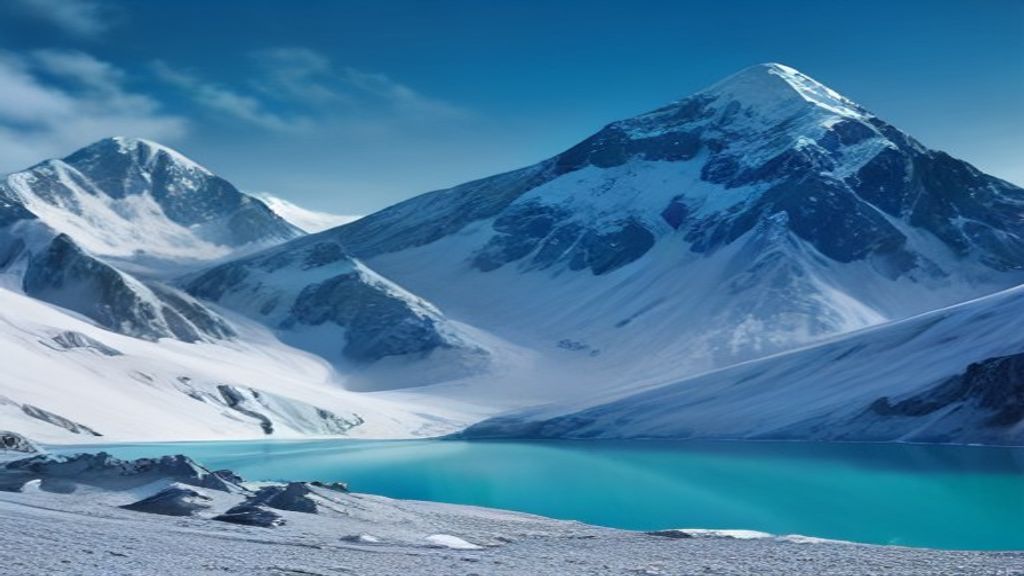
Against this backdrop, intrepid hikers attempt the relentless climb to Laguna 69, a breathtaking turquoise body of water sitting at 4,600 meters—over 15,000 feet. Even for experienced travelers taking preventive medication, the extreme elevation takes a brutal toll. During one recent ascent, two fit young men in their twenties collapsed from acute altitude sickness, suffering severe nausea and disorientation. Meanwhile, a fellow hiker who had spent time acclimatizing in Colombia walked the trail without missing a beat, proving that physical fitness means nothing against the raw biology of thin air.
Reaching the pristine glacial lake provides a moment of awe under the southern night sky, but the stark contrast between human leisure and environmental loss sparked intense discussion among outdoor observers. One commenter pointed out the stunning imagery of the landscape, while another raised questions about the paradox of modern adventurers utilizing energy-heavy technology while mourning environmental destruction.
Meanwhile, the reality of backcountry preparation extends beyond high-altitude summits to fundamental camp comfort. A first-time mature camper, preparing for an inaugural adult trip near age 60, recently encountered a major gear conflict. After purchasing a 30-inch wide military cot and pairing it with a 38-inch twin sleeping pad to accommodate weight requirements, the camper discovered a dangerous flaw: the eight-inch overhang caused the pad to slide off the cot frame during entry and exit.
Seeking a solution that wouldn't destroy the equipment's resale value, recommendations flooded in. One experienced camper suggested placing rubberized shelf liner between the cot fabric and the pad to create non-slip friction, while another recommended using elastic fitted sheets or soft luggage straps wrapped around both the pad and cot frame.
On the latest episode of Off Grid, the hosts debate the ethics of high-altitude travel, unpack real-world acclimatization strategies, and reveal the safest gear hacks for securing oversized backcountry beds.