From Tap Water Temp Fixes to $3,000 Repair Black Holes: Inside Two Toyota Overheating Sagas
From Tap Water Temp Fixes to $3,000 Repair Black Holes: Inside Two Toyota Overheating Sagas · Avonetics
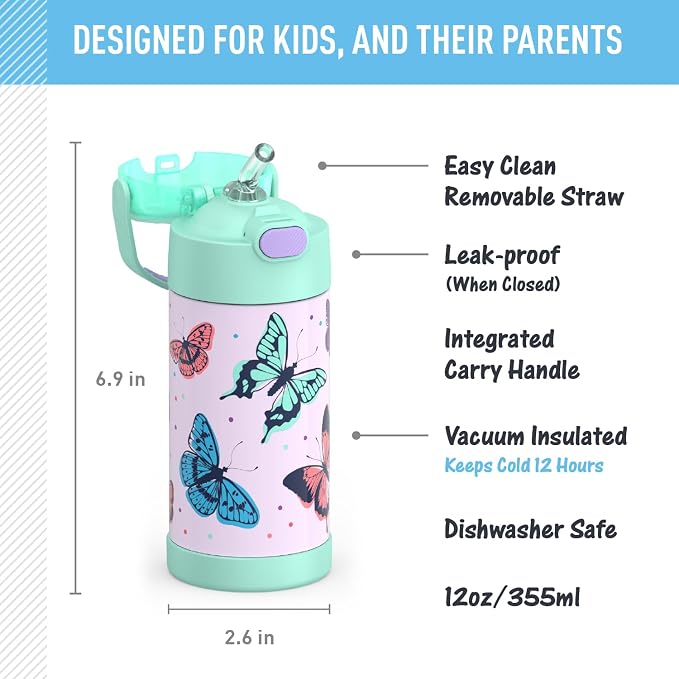 THERMOS FUNTAINER Water Bottle with Straw
Stays cold: Thermos stainless steel water bottles for kids keep drinks cold for up to 12 hours with our vacuum insulation technology; our kids water bottles are built so drinks are…
See it →
THERMOS FUNTAINER Water Bottle with Straw
Stays cold: Thermos stainless steel water bottles for kids keep drinks cold for up to 12 hours with our vacuum insulation technology; our kids water bottles are built so drinks are…
See it →
It starts with a frantic glance at the dashboard in a gym parking lot. The needle on a 200,000-mile 2004 Toyota 4Runner ticks into the red zone, prompting an emergency dash for the nearest liquid on hand: a bottle of plain tap water. While the temporary splash down the radiator filler neck got the truck home, it set off a nerve-wracking countdown for a driver scheduled to ship the vehicle across the country in just two weeks.
The dilemma highlights a terrifying reality for high-mileage vehicle owners. Where did the coolant actually go? A bone-dry reservoir typically signals one of two financial disasters: an external rupture dripping onto hidden underbody engine shields, or an internal head gasket leak that slowly turns motor oil into a light-brown, engine-destroying sludge.
 Read nextMY BOYFRIEND SAYS MY PEUGEOT IS A DRESS-UP GAME — BUT HIS BMW IS GETTING PLASTIC SURGERY!
Car enthusiasts weigh in heavily on the risks of running plain water, even for short trips. One commenter noted that tap water lacks the boiling point elevation and anti-corrosion additives of proper antifreeze, warning that running raw water in an aluminum engine invites rapid rust formation and hot-spot boiling. Another observer pointed out that underbody plastic splash trays can hold up to a gallon of leaking fluid before a single drop hits the driveway, giving drivers a false sense of security while their oil galleries fill with abrasive fluid.
Yet, the 4Runner's ordeal pales in comparison to a secondary saga unfolding in the subcompact commuter world. A driver who recently purchased a 2007 Toyota Yaris found themselves trapped in a $3,000 mechanical horror story. Over just five months, four separate repair shops threw a catalogue of replacement hardware at the hatchback—installing a new alternator, timing belt, radiator, water pump, thermostat, freeze plugs, and coolant tank.
Despite virtually every cooling component being factory-fresh, the Yaris continues to boil over within minutes of hit the pavement. The fourth mechanic swore a rusted bolt leak and a split reservoir were the ultimate culprits, yet bleeding the system and replacing the hardware failed to extinguish the dashboard light.
 Sticky Bra Push Up
 - 2 Pairs Backless Strapless Bra Invisible Adhesive Bras for Wedding Prom with Nipple Pasties · Home
See it →
Sticky Bra Push Up
Sticky Bra Push Up - 2 Pairs Backless Strapless Bra Invisible Adhesive Bras for Wedding Prom with Nipple Pasties · Home
See it →
Oddly enough, repeated diagnostic testing ruled out the classic suspect: a blown head gasket. Exhaust gas tests came back clean, the oil showed zero contamination, and tailpipe smoke was non-existent. Commenters analyzing the mystery suggested the mechanics may have overlooked cheap, fundamental failures, such as a clogged heater core trapping massive air pockets, a faulty radiator fan relay switch, or a failing temperature sensor sending false overheat warnings to the instrument cluster.
Whether nursing a 200k-mile rig onto a shipping container or battling a money-pit commuter, cooling system failures remain the ultimate test of a driver's sanity and wallet.
Our hosts tear into these exact mechanical sagas, debating tap-water risks and repair bill limits on this week's episode of Overdrive.