From 'Demon of the Lute' to Fake Trailers: Inside Cinema's Greatest Tricks
From 'Demon of the Lute' to Fake Trailers: Inside Cinema's Greatest Tricks · Avonetics
 adidas Womens Train Essentials 3-Stripes Workout
Adidas Women
See it →
adidas Womens Train Essentials 3-Stripes Workout
Adidas Women
See it →
There is nothing quite like the feeling of settling in for a movie night and having your expectations utterly blown to pieces. Sometimes, that surprise comes in the form of an forgotten gem from cinema history. Other times, it comes in the form of a Hollywood marketing campaign that lied straight to your face.
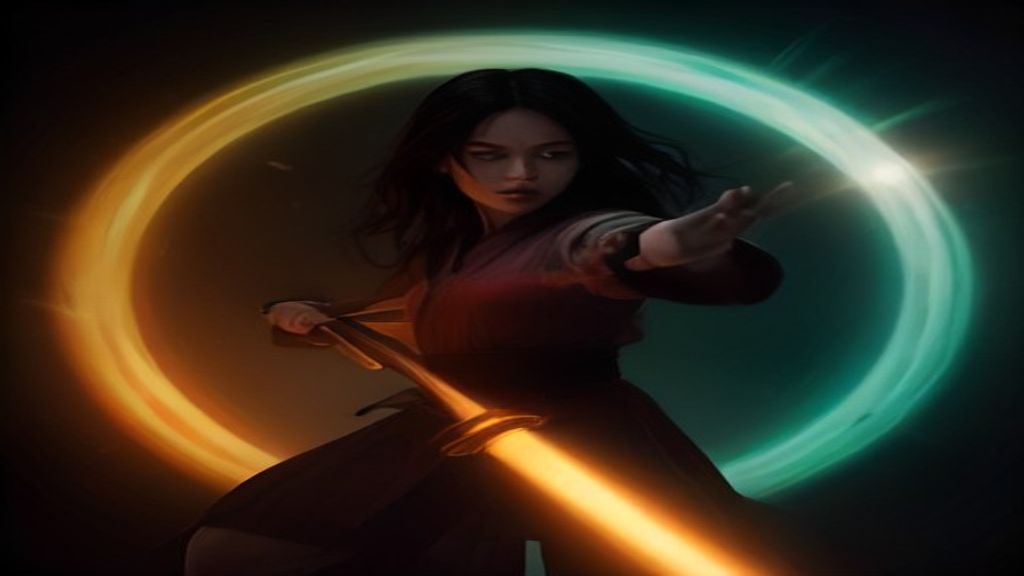
Film lovers are currently buzzing over a startling discovery buried in the streaming library of Arrow: a 1983 Shaw Brothers release titled Demon of the Lute. Known historically for brooding swordplay and intense revenge sagas, the legendary martial arts studio took a radical detour with this project. The film opens with an explicit warning card: "This is a Wuxia movie made for the kids."
 Read nextIs Hollywood Color-Blind? Inside the Cinephile War Over Gray Blockbusters and 10,000-Movie Obsessives
What follows is a hyperactive, incredibly colorful wuxia parody. The plot revolves around a young hero who sets off to destroy the titular Demon Lute, a world-threatening magical artifact. Along the way, he encounters a bizarre roster of eccentric kung-fu masters, absurd magical weapons, and visual gags that play out like a live-action cartoon.
Reactions to the film have ignited a passionate debate among cinephiles. One viewer labeled the picture a full-blown masterwork, praising its frantic energy and bold willingness to poke fun at traditional martial arts tropes. Others take a far more critical stance, arguing that the juvenile humor and chaotic pacing undermine the grace and discipline that made Shaw Brothers famous.
Yet, as film buffs argue over whether Demon of the Lute is a misunderstood classic or studio silliness, the film has sparked a broader conversation about expectations in cinema. Specifically, how movie trailers frequently trick audiences into seeing a completely different film than the one advertised.
For decades, low-budget B-movies placed famous actors prominently on VHS covers despite those stars appearing for only a few minutes. Today, major studio releases are pulling the exact same maneuver. Take the recent thriller Tuner. Promotional trailers heavily emphasized screen icons Dustin Hoffman and Jean Reno as major players in the plot. Audiences who bought tickets quickly realized that Hoffman is written out early in the story, while Reno only appears in three brief scenes toward the climax.
 adidas Womens Workout Essentials Scoop Neck
adidas Women
See it →
adidas Womens Workout Essentials Scoop Neck
adidas Women
See it →
Even giant family blockbusters aren't immune. Marketing for Zootopia 2 showcased a brand-new reptile character voiced by Academy Award winner Ke Huy Quan, implying he was joining the lead duo for a main adventure. In reality, the character spent most of the runtime being discussed in absentia before finally making an appearance near the film's conclusion.
"It is flat-out bait-and-switch advertising," argued one frustrated moviegoer. "When you pay for a ticket based on a trailer featuring a specific actor, you expect them to actually be in the movie."
Whether it is the joy of stumbling upon an unhinged 80s martial arts caper or the irritation of a deceptive trailer, one thing is clear: moviegoers are paying closer attention than ever to the tricks of the trade.
The hosts of Plot Hole debate both sides of these cinematic wild cards on this week's episode.