Fed Workers Fight Bureaucratic Healthcare Blues—GEHA vs. MHBP Plan Showdown

Fed Workers Fight Bureaucratic Healthcare Blues—GEHA vs. MHBP Plan Showdown · Avonetics
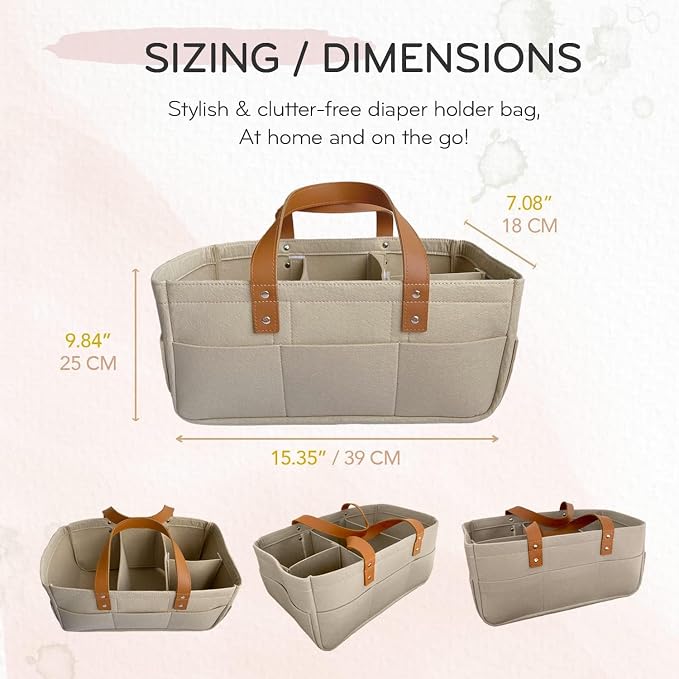 Diaper Caddy Organizer Cart for Nursery
CHIC & SPACIOUS BABY BASKET - KiddyCare Baby Diaper Caddy Organizer comes with 8 wide pockets & 4 removable dividers. With our handy storage caddy/diaper organizer for dresser/bath…
See it →
Diaper Caddy Organizer Cart for Nursery
CHIC & SPACIOUS BABY BASKET - KiddyCare Baby Diaper Caddy Organizer comes with 8 wide pockets & 4 removable dividers. With our handy storage caddy/diaper organizer for dresser/bath…
See it →
When I swapped from BCBS Basic to MHBP Consumer last year, I genuinely believed I'd found relief. The premiums dropped enough that I felt like a hero, saving thousands I thought were wasted on middle-management paperwork. But three months later, the math doesn't add up. I'm healthy, I don't need specialty medications, and the MHBP plan keeps climbing. The conversation ripples through the ranks like a cold front.
One colleague told me her husband and wife team moved from BCBS Basic to MHBP Standard this past year, cutting their annual spend by over two thousand dollars. "It's not perfect," she said, "but we're finally seeing something closer to fairness." Another friend, however, is pushing hard toward GEHA HDHP. She explains that as a healthy professional, the plan's low out-of-pocket costs after the deductible combined with growing HSA contributions make it a strategic advantage over the flat-rate premiums she's been paying for years.
 Read nextGhost in the Bulkhead: How a Navy Sailor’s Sleep Strike Terrified Ship Security
The debate in our online communities splits cleanly down the middle. One group of twenty-one members has converged on GEHA HDHP as the smart move for healthy workers. Their argument is simple: GEHA combines competitive premiums with a generous high-deductible structure that pairs perfectly with a growing Health Savings Account. Over time, the tax-free savings build up like a secret weapon against unexpected medical bills. Vision, dental, and prescription coverage come bundled without extra riders. Someone in that circle noted that GEHA's 2027 HSA contribution increase happens without a premium hike—a genuine win for budget-conscious federal employees.
On the other side are twelve voices who feel the system has run out of room. They point out that switching from BCBS Basic to MHBP Consumer was supposed to be a relief, yet the premiums have crept upward anyway. "We saved money last year," one wrote, "and now the bill is higher than before. How is that possible?" Others argue that for someone in their mid-thirties with only five years left on their contract, the stress of constantly renegotiating plan tiers feels like a punishing cycle. They're not suggesting abandoning the civil service outright, but they're asking whether the institution can still deliver meaningful protection when the math demands more from every dollar.
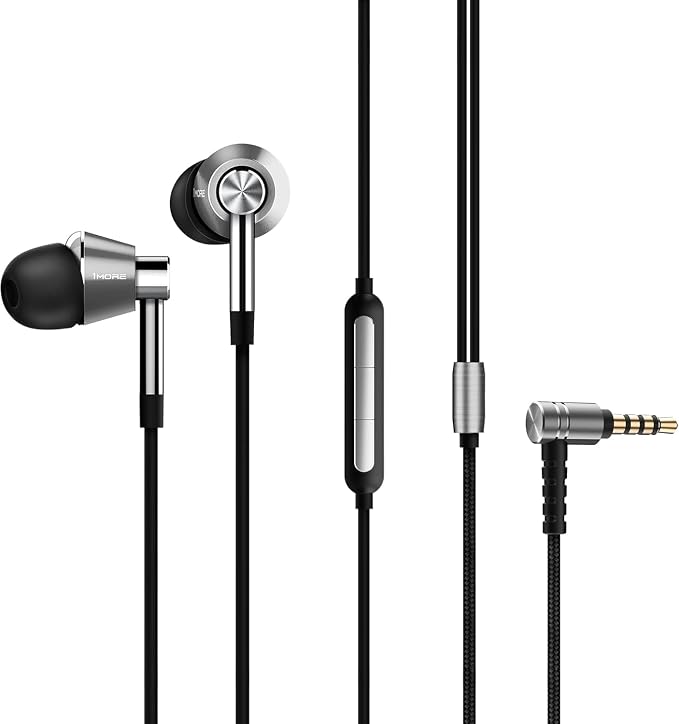 1MORE Triple Driver in-Ear Earphones Hi-Res
Three drivers- These headphones have two balanced armatures and a separate dynamic driver Together they deliver an extremely accurate listening experience With unsurpassed dynamic…
See it →
1MORE Triple Driver in-Ear Earphones Hi-Res
Three drivers- These headphones have two balanced armatures and a separate dynamic driver Together they deliver an extremely accurate listening experience With unsurpassed dynamic…
See it →
I've watched my own friendships fracture under this weight. Some are quietly considering leaving the public sector entirely—taking a private role just to escape the endless claim cycles and premium bumps. Others are using the information to negotiate better packages internally. The common thread across both camps is exhaustion. We work hard for years on fixed salaries, only to watch our healthcare costs spiral upward without any corresponding raise.
My conclusion? Both sides are partially right. GEHA HDHP offers real value for those with predictable, low-utilization health profiles—its design rewards steady spending patterns by letting you funnel savings into the HSA. But the broader message from the frustrated minority is that when the system systematically erodes purchasing power, even well-designed plans become secondary to survival. Whether you stay and adapt or walk away depends partly on your utility level, and maybe partly on how much hope you have left for a working class that says, "Why bother?" The bottom line is that the civil service is neither entirely corrupt nor entirely benign—it's just overwhelmed. And right now, the math doesn't favor either party equally.