Drunk on Power? Inside the High-Stakes Debate Over Mandating Experience for Federal Office

Drunk on Power? Inside the High-Stakes Debate Over Mandating Experience for Federal Office · Avonetics
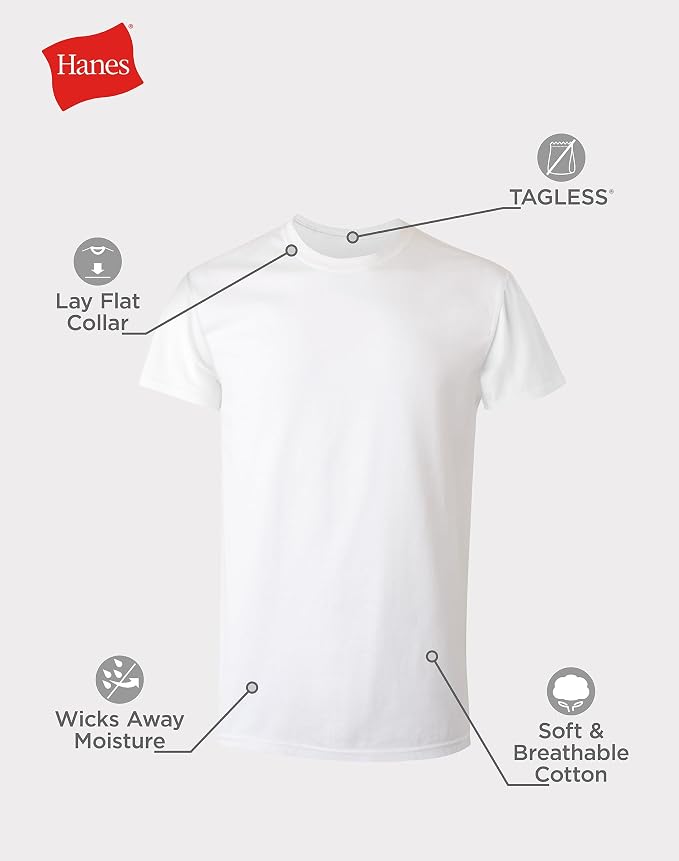 Hanes Men's Undershirt Packs
Hanes Mens Cotton, Moisture-wicking Crew Tee Undershirts, Multi-packs, White - 6 Pack, Medium US : Clothing, Shoes & Jewelry
See it →
Hanes Men's Undershirt Packs
Hanes Mens Cotton, Moisture-wicking Crew Tee Undershirts, Multi-packs, White - 6 Pack, Medium US : Clothing, Shoes & Jewelry
See it →
WASHINGTON — The battle over who gets to hold federal power is reaching a boiling point inside political strategy rooms and party headquarters across the nation. For generations, the informal rule of American politics was simple: you cut your teeth on a local school board, ran for city council or state legislature, and eventually earned a shot at Congress or the executive branch. But in an era where social media notoriety and personal branding can vault total novices straight to the federal ballot, party insiders are asking a radical question: should public service experience be mandatory?
Proponents of structural reform argue that the lack of baseline qualifications has turned federal lawmaking into an amateur hour. Critics point to fresh-faced federal lawmakers who struggle with basic legislative procedure, misinterpret statutory limits, and treat congressional hearings like reality television auditions. To fix this, institutional reformers propose a baseline requirement: candidates should be forced to complete at least two years in an elected or appointed local or state role before filing federal nomination papers.
 Read nextSeized Ballots and Overseas Outcries: The Explosive Legal Wars Shaking California and the Military
"We demand years of certified training and practical apprenticeships for doctors, attorneys, and even master electricians," one policy analyst noted during recent election panel discussions. "Yet we hand the steering wheel of a multi-trillion-dollar federal government to individuals who have never read a municipal budget or managed a single public agency."
To prevent unvetted chaos on the campaign trail, some reformers have even suggested requiring ballot applicants to complete a brief course on constitutional duties and pass a standardized civics examination. Supporters insist this would ensure that every candidate possesses a basic grasp of public administration and statutory limitations before asking citizens for their votes.
However, the push for mandatory qualifications is meeting fierce resistance from populist activists and political outsiders who view any new barrier as an existential threat to democratic representation. Opponents argue that setting mandatory experience requirements simply creates an entrenched monopoly for career politicians. They insist that the primary qualification for public office should be the political will of the electorate, not a gold star from local party machines.
"The founders intended for public office to operate like jury duty—a temporary service performed by regular citizens and neighbors," one grassroots activist argued. "Career politicians are precisely what got this country into trouble in the first place. Adding mandatory political hurdles just lets party elites gatekeep who gets to run."
 Hanes mens Underwear Boxer Briefs Pack
, Cool & Breathable Cotton Moisture-wicking Underwear for Men, No Ride Up · Home
See it →
Hanes mens Underwear Boxer Briefs Pack
Hanes mens Underwear Boxer Briefs Pack, Cool & Breathable Cotton Moisture-wicking Underwear for Men, No Ride Up · Home
See it →
Skeptics of candidate testing also raise historical red flags, pointing out that establishing arbitrary arbiters of who is "qualified" dangerous echoes historic literacy tests and administrative hurdles used to suppress political dissidents and minority voices. They argue that if voters decide they prefer an unvetted outsider over a twenty-year state legislator, that choice belongs entirely to the voters.
This debate takes on a dramatic life of its own when campaign strategists recall the infamous "Kegsbreath!" incident—a wild election saga where an unvetted grassroots candidate showed up to a crucial televised town hall reeking of draft beer after a late-night campaign binge. While institutionalists point to that debacle as a cautionary tale of why structural guardrails are desperately needed, anti-establishment supporters reframed the candidate as an authentic rebel taking on a sanitized, corporate-funded political machine.
Whether mandatory qualifications would clean up the halls of power or simply lock out new voices remains one of the most explosive ideological divides in modern politics.
Our hosts battle over both sides of this explosive debate on this week's episode of Gridlock.