Drowning in Choices: The Great Online Degree and Certificate Gamble

Drowning in Choices: The Great Online Degree and Certificate Gamble · Avonetics
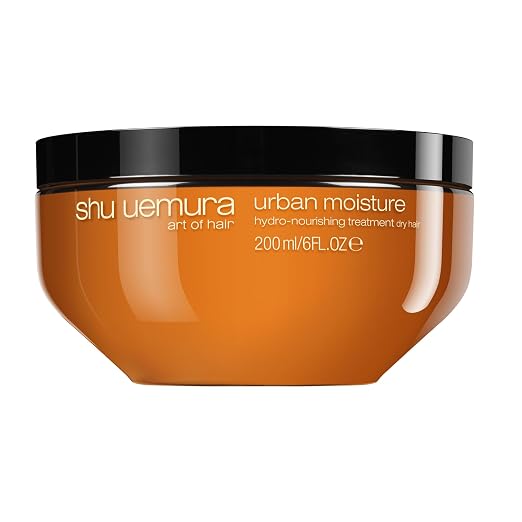 shu uemura art of hair Urban
Intensely Hydrating Hair Mask: Provides rich nourishment for dry hair, leaving it smooth and shiny.. Ingredients: Infused with Japanese Moringa Oil Extract, the formula is rich in…
See it →
shu uemura art of hair Urban
Intensely Hydrating Hair Mask: Provides rich nourishment for dry hair, leaving it smooth and shiny.. Ingredients: Infused with Japanese Moringa Oil Extract, the formula is rich in…
See it →
A master’s graduate in medical biotechnology recently found out the hard way that an advanced degree isn't always enough. After being turned away from top-tier PhD programs due to a lack of practical computational skills, the candidate was left facing a daunting gap year. The mission was clear: publish papers, attend conferences, and master the technical tools of modern biology.
To bridge the gap, the researcher turned toward a prestigious, highly advertised online specialization in genomic data science and R programming. However, the price tag brought immediate sticker shock and deep skepticism. Was paying top dollar for a digital certificate worth the investment? Would elite university selection committees actually respect an online completion badge on a CV, or would it be laughed off as expensive filler?
 Read nextRN's Bold Bet: Can a New Nurse Earn an MSN in Just 6 Months While Battling Med-Surg Burnout?
Community reactions revealed a sharp divide between theoretical credentials and practical execution. One commenter pointed out that while the certificate itself won't magically unlock a laboratory door, using the structured curriculum to build a publicly accessible project repository is what actually catches an advisor's eye. Another observer warned that modern academic departments care far more about raw, runnable code than digital badges from online learning storefronts.
This crisis of confidence isn't isolated to specialized scientists. Across the digital learning ecosystem, prospective students are experiencing severe choice paralysis before even submitting an application. One remote worker disclosed spending over a full year frozen in place, unable to select an online bachelor's degree program out of sheer terror of picking an obsolete path.
With eyes set on a 2026 graduation, the prospective student laid out strict criteria: the degree must guarantee a stable work-from-home career, be immune to modern artificial intelligence displacement, and require minimal daily human interaction. Facing choices like Computer Science, Data Analytics, and Cybersecurity, the fear of sinking thousands of dollars into a field automated by AI led to complete inaction.
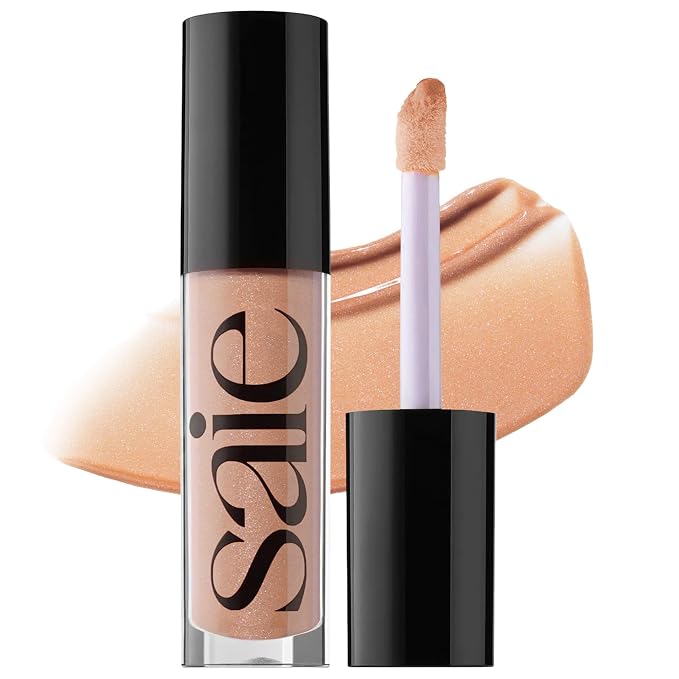 Saie Glossybounce
The slip of a lip oil meets the high-shine of a tinted lip gloss. Glossybounce™ is a high-shine lip gloss-oil hybrid with a plush, cushiony feel that’s never sticky or tacky.. Our…
See it →
Saie Glossybounce
The slip of a lip oil meets the high-shine of a tinted lip gloss. Glossybounce™ is a high-shine lip gloss-oil hybrid with a plush, cushiony feel that’s never sticky or tacky.. Our…
See it →
Industry veterans were quick to offer a reality check regarding the dream of an isolated, AI-proof remote job. One analyst noted that technical roles requiring zero human interaction are actually the first targets for automated language models. Another commenter argued that soft skills, collaborative problem-solving, and cross-functional communication are precisely what keep a remote worker secure when algorithms begin taking over routine technical tasks.
As the line between traditional academia and independent online education continues to blur, prospective students are forced to ask whether structured online programs provide genuine career insurance or merely expensive peace of mind.
Our hosts dissect both of these high-stakes educational gambles and render their final judgment on this week's episode of Pass Fail.
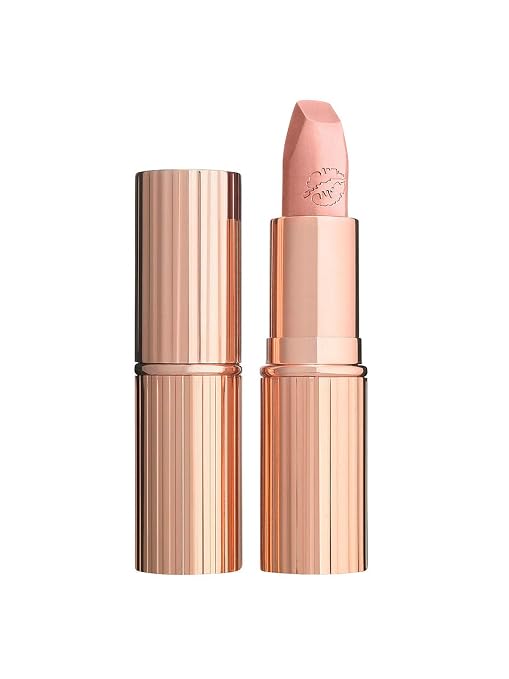 Charlotte Tilbury Hot Lips Lipstick
Modern Matte Lipstick for Dimensional Radiance - Matte meets magic with light-diffusing 3D Glowing Pigments that give the illusion of fuller, lit-from-within lips while delivering…
See it →
Charlotte Tilbury Hot Lips Lipstick
Modern Matte Lipstick for Dimensional Radiance - Matte meets magic with light-diffusing 3D Glowing Pigments that give the illusion of fuller, lit-from-within lips while delivering…
See it →