Disaster at the Ren Faire! How a Sold-Out Dream Tent and a Solo Mountain Trek Exposed the Ultimate Outdoor Gear Hacks
Disaster at the Ren Faire! How a Sold-Out Dream Tent and a Solo Mountain Trek Exposed the Ultimate Outdoor Gear Hacks · Avonetics
When your home away from home gives out after twenty years of faithful service, replacing it isn't just a simple trip to the local outdoor supply store—it can trigger a full-blown crisis before a major tour.
For one traveling festival musician and his wife, that nightmare became absolute reality just days before a major autumn performance. After two decades of roughing it in a humble starter shelter purchased in their early twenties, the couple decided it was finally time to upgrade their setup to match their lifestyle on the Renaissance Faire and music festival circuit. They were no longer looking for a cramped nylon shell where you have to crawl on hands and knees. They needed a serious glamping sanctuary: a spacious rig with full standing headroom throughout, a dedicated stove port for chilly fall nights, power cord entry, and enough open floor space to host late-night acoustic jam sessions with fellow performers.
 Read nextThe Great Camper Canopy Debate: High-Tension Cables vs Backyard Common Sense
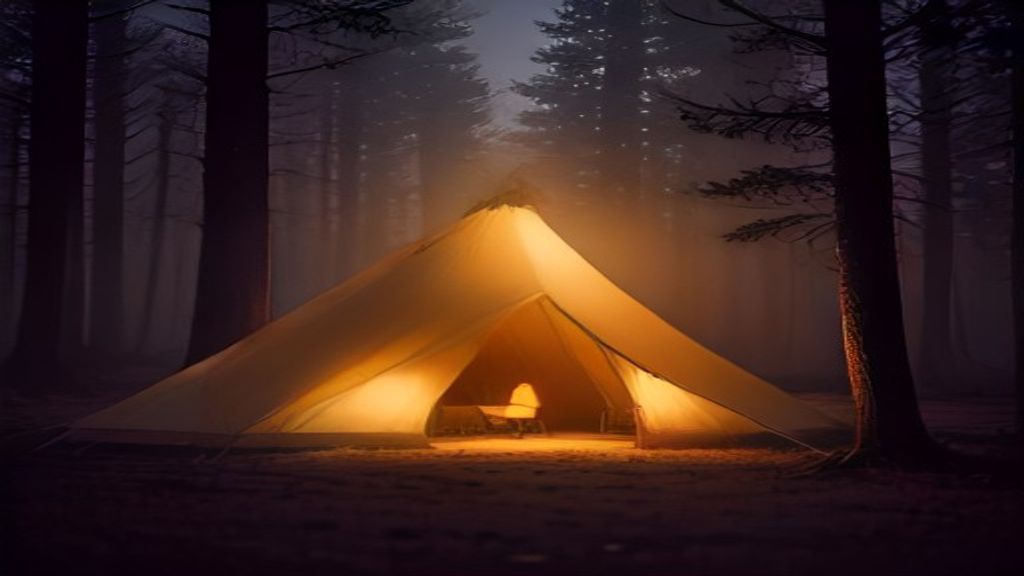
In the festival community, the campsite tent is more than just a place to sleep; it is a social hub where musicians gather after main-stage sets to pass around a bottle, share songs, and unwind under warm canvas. After weeks of careful research, the ultimate choice seemed undeniably clear: a 13-foot White Duck Regatta canvas bell tent. It checked every single box on their dream list, from breathable, weather-hardened canvas to four-season stability. But right as gig funds were secured and the musician went to click the buy button, panic hit.
The coveted bell tent was completely sold out nationwide. Distributors were bone dry, and backorders were locked until mid-September—cutting perilously close to an upcoming performance date on September 15th. With an $850 budget max and an urgent need for four-season durability that could handle spring downpours and autumn chills, the musician faced an immediate race against time to find an alternative.
Experienced campers and festival regulars quickly offered battle-tested recommendations. One commenter advised pivoting immediately to a springbar design, specifically pointing toward the Kodiak Canvas Flex-Bow 10x14. The argument for springbar frames is compelling: they eliminate sprawling guy lines that drunk festivalgoers constantly trip over in the dark, while offering towering vertical walls and massive standing room across the entire footprint. Another seasoned traveler suggested looking at CanvasCamp or DOD Outdoors center-pole models, reminding the musician that heavy-duty canvas is practically indestructible and built to last two decades—provided you never pack it away wet.
However, alternative perspectives emerged regarding overall practical utility. Some seasoned adventurers argued that heavy bell tents are an expensive nightmare to haul, set up, and dry out after rainstorms. They suggested splitting the budget into a modular setup, using a smaller quick-pitch sleeping tent paired with a heavy-duty pop-up canopy for hosting jam sessions.
This high-stakes challenge of gear selection and field survival mirrors another fundamental truth of the outdoors: the mental leap required to go it alone. Far from the festival grounds, on Washington State's Silver Star Mountain, a hiker recently embarked on her very first solo trek.
Stepping off from the trailhead while her husband and friends headed off on a different path, she set out alone to reach the summit. While she knew the trail well from previous group trips, hiking without a partner exposed unexpected challenges. Realizing midway up the mountain that her snacks and water were buried deep inside her main pack compartment—forcing her to unbuckle and remove her heavy rig twice in two miles—served as a sharp wake-up call about front-accessible storage. Combined with sore feet demanding insoles and the raw mental discipline required to push through physical fatigue without a partner to lean on, her journey highlights the psychological shift of absolute self-reliance.
Whether you are engineering the ultimate canvas fortress for late-night festival jams or braving a lonely ridge line on your own terms, survival always comes down to quick thinking and adaptability.
The hosts dig into these high-stakes wilderness decisions and crown the winning tent setup on this episode of Off Grid.