Data Leak Exposes Shocking SaaS Google Ads Spends—And a Local Pantry Proves How to Fix It

Data Leak Exposes Shocking SaaS Google Ads Spends—And a Local Pantry Proves How to Fix It · Avonetics
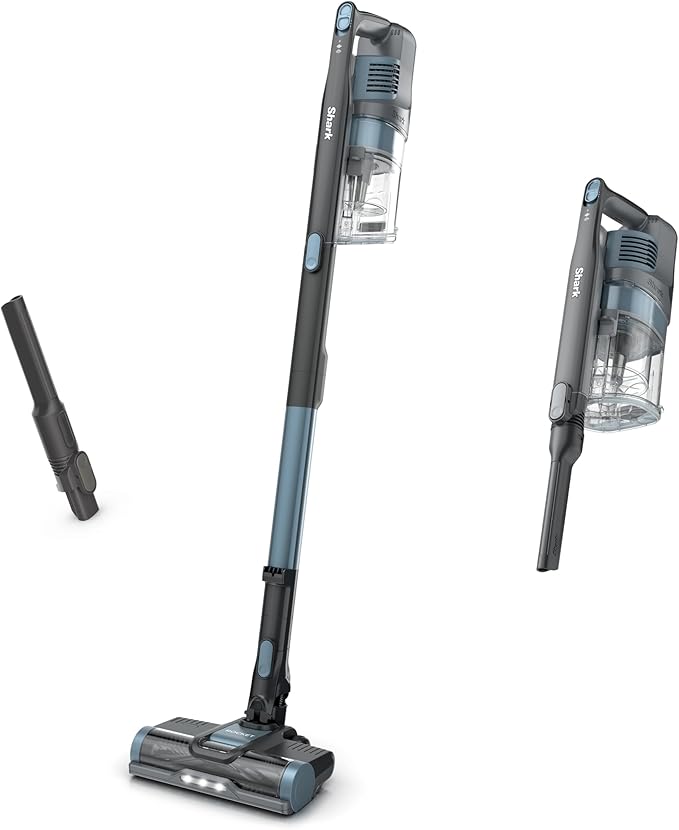 Shark Pet Cordless Stick Vacuum
Hypervelocity suction provides incredible cleaning performance for everyday messes and high-traffic areas. 40 MINUTES OF RUNTIME: Up to 40 minutes of runtime to clean your home, *m…
See it →
Shark Pet Cordless Stick Vacuum
Hypervelocity suction provides incredible cleaning performance for everyday messes and high-traffic areas. 40 MINUTES OF RUNTIME: Up to 40 minutes of runtime to clean your home, *m…
See it →
Corporate performance marketers are reeling after fresh two-year benchmark data across 65 B2B SaaS accounts exposed the eye-watering price of paid search acquisition. The numbers reveal a stark reality: non-brand search leads are costing companies an average of $207 each, compared to just $34 for brand search leads.
Industry insiders note that this six-fold price gap isn't caused by poor landing page design or low intent. In fact, conversion rates for both brand and non-brand keywords sit virtually neck-and-neck at nearly four percent. The entire expense explosion comes down to raw click inflation, with non-brand cost-per-click averaging $13.75 versus $3.12 for brand terms.
 Read nextThe Great PR Gatekeeping Crisis: Why Ghosted Journalists and Career Pivoters Are Locked Out
While conversion rates climbed 48 percent year-over-year to push overall costs per lead down to $84, Performance Max campaigns emerged as a controversial hyper-efficient alternative. Delivering leads at a mere $25 compared to Search's $143, automation appears to win on paper, though analysts warn that PMax routinely pads stats with soft, low-intent actions.
One commenter said that spending over thirteen dollars a click for cold non-brand traffic is absolute corporate negligence when organic authority delivers real pipeline. Another argued that without aggressive non-brand bidding, growing SaaS brands completely surrender their top-of-funnel reach to deep-pocketed competitors.
Meanwhile, on the grassroots end of the marketing spectrum, an independent activist in Alexandria, Virginia, is confronting the exact same acquisition dilemma without a corporate budget. Operating a Little Free Pantry, the organizer launched dedicated channels across Instagram, TikTok, and Facebook to solve a double-edged audience problem: reaching food-insecure neighbors discreetly while convincing local donors to restock empty shelves.
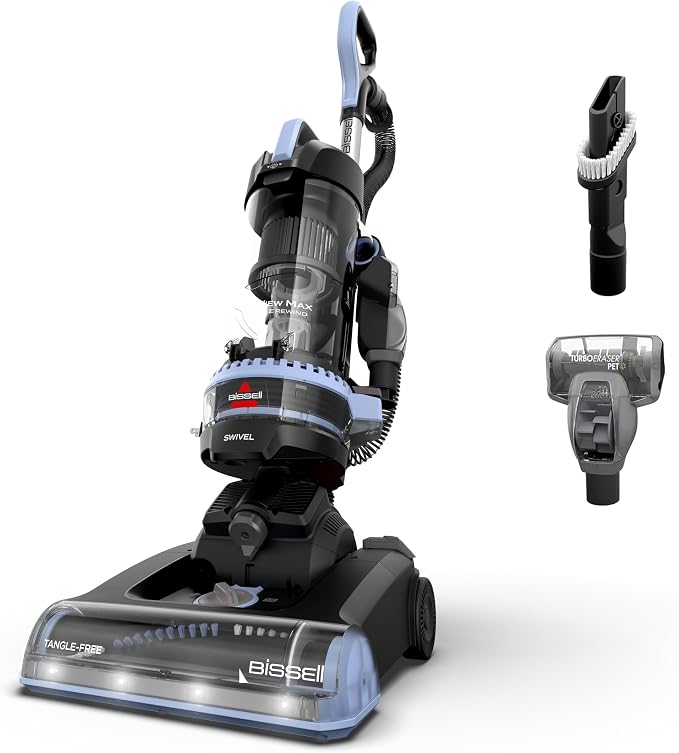 Bissell CleanView Max Tangle-Free Rewind Pet
EVERY PURCHASE SAVES PETS. Every purchase makes it possible for BISSELL to continue our support of BISSELL Pet Foundation and its mission of saving pets in need.. LED HEADLIGHTS: E…
See it →
Bissell CleanView Max Tangle-Free Rewind Pet
EVERY PURCHASE SAVES PETS. Every purchase makes it possible for BISSELL to continue our support of BISSELL Pet Foundation and its mission of saving pets in need.. LED HEADLIGHTS: E…
See it →
Utilizing volunteer Canva graphics, the pantry debuted a clever 'Pantry to Plate' content series, showing followers how to prepare complete family meals using only shelf-stable goods. The initiative sparked an immediate wave of hyper-local engagement, showing that simple utility often outperforms expensive ad campaigns.
Observers noted that the pantry's success relies on radical transparency rather than polished branding. One strategist pointed out that whether you are selling enterprise software or feeding a neighborhood, human connection and actionable content will always outperform cold paid channels.
Our podcast hosts take a hard look at these conflicting strategies and debate who really wins the growth game on this week's episode.