Dardanelles Drama: This Swimmer's Buoy Nightmare Cost Her 20 Minutes!
Dardanelles Drama: This Swimmer's Buoy Nightmare Cost Her 20 Minutes! · Avonetics
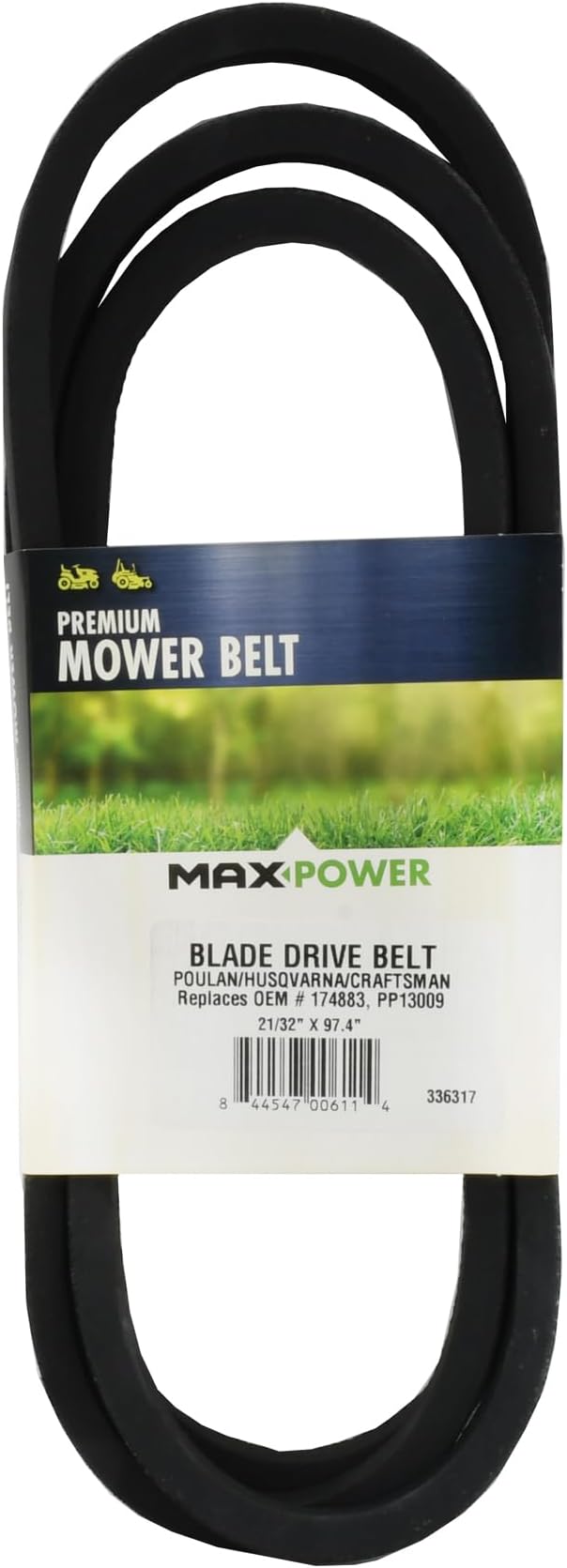 Maxpower 336317 Blade Drive Belt
Blade Drive Belt for Craftsman Husqvarna, Poulan mowers. Replaces OEM #: craftsman, Husqvarna, Poulan 174883, 532174883, 531300767. Replaces OEM #: MTD, Cub Cadet, Troy-Bilt 754-30…
See it →
Maxpower 336317 Blade Drive Belt
Blade Drive Belt for Craftsman Husqvarna, Poulan mowers. Replaces OEM #: craftsman, Husqvarna, Poulan 174883, 532174883, 531300767. Replaces OEM #: MTD, Cub Cadet, Troy-Bilt 754-30…
See it →
For open-water swimmers, every second counts. Imagine training for months, perfecting your stroke, only to have a mandatory piece of safety gear torpedo your race time by a whopping 20 minutes. That's the reality one experienced Dardanelles Strait swimmer is facing, and her frustration is palpable.
"I'm gearing up for my third Dardanelles Strait crossing, but this new safety buoy requirement is really getting to me," she shares. The buoy was mandated after a swimmer got lost in a race last year, a decision no one disputes for safety reasons. However, the practical application has been a nightmare for her.
 Read nextCoastal Terror and Lap Pool Anarchy: Swimmers Spill Public Water Horror Stories
Her first race, buoy-free, saw her finish in an impressive 1 hour 28 minutes. But with the buoy last year? A grueling 1 hour 48 minutes. "I shortened the strap, and it felt like the buoy was practically glued to my hips, dragging and pulling me in a different direction, like a parachute. It was like carrying a school backpack the entire race; I just struggled and struggled."
Lengthening the strap only led to another problem: "it tangles between my legs, which is a whole other nightmare." As a "short, curvy woman, with a long torso, short legs, and a 'big back,'" she wonders if her physique amplifies the issue.
Her story has ignited a lively discussion among fellow open-water enthusiasts. Many empathize, but offer practical solutions.
One commenter said, "In calm water I barely notice it, but in waves or strong wind I can definitely feel some pulling." However, they cautioned against blaming a 20-minute difference entirely on the buoy, citing factors like current, wind, waves, and even personal well-being on race day.
Others focused on finding the 'sweet spot' for buoy placement. "The sweet spot is keeping it long enough that the buoy floats just behind my hips, but not so long that the leash can reach between my legs. Too short actually seems to make the pulling much more noticeable," one person advised.
Another key tip: check the attachment point. "Make sure the buoy is attached at the bottom of the float and not the end (handle / rollup part), so much more drag if connected at the end."
Some offered clever hacks for the buoy's behavior in rough water. "If you are not using it to carry dry things, you can put a bit of water in it to stop it blowing around as much," one person suggested, while another described feeling "gaslighted" by their buoy in choppy conditions, even after trying to weight it.
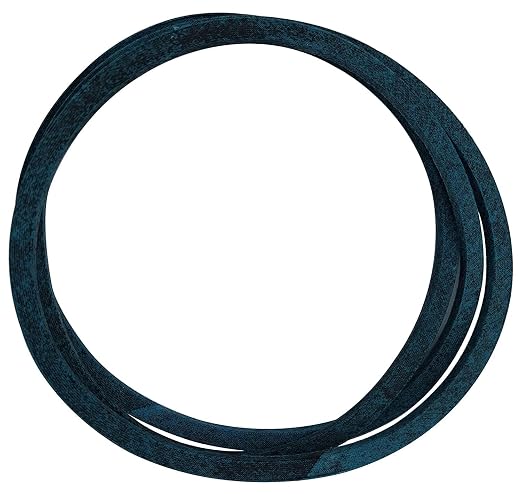 1/2" x 109" 954-04045 754-04045 Deck
Package Includes: as images show, 1 Mower Deck Belt .. Belt size: Outside Length:109", Width: 1/2".. Replaces OEM Part Numbers: For Cub Cadet 754-04045, 954-04045, Massey Ferguson…
See it →
1/2" x 109" 954-04045 754-04045 Deck
Package Includes: as images show, 1 Mower Deck Belt .. Belt size: Outside Length:109", Width: 1/2".. Replaces OEM Part Numbers: For Cub Cadet 754-04045, 954-04045, Massey Ferguson…
See it →
Then there's the tough love approach: "If it’s required then tough it out... start training with it on would be my thought."
The debate highlights the delicate balance between swimmer safety and performance. Is this essential gear an unavoidable drag, or can swimmers truly master its use?
***
Switching gears from drag to danger, another shocking story from the open water community has swimmers rethinking their gear choices. A recent emergency room visit revealed a terrifying diagnosis: keratitis in one eye.
"The doctor looked really, really serious when he told me he would never, ever swim in open water with contact lenses – even with goggles," the swimmer recounted. The reason is chilling: soft lenses absorb water, and with it, pathogens. Any tiny scratch or damage to the cornea – often caused by contacts themselves – becomes an open invitation for bacteria and the dreaded Acanthamoeba, a microscopic organism that can lead to permanent vision loss, or even the loss of the entire eye.
"Not eyesight. THE eye," they emphasized, underscoring the severity of the threat. This alarming information, confirmed by a quick online search, serves as a stark warning to countless swimmers unaware of the peril. It's a critical reminder that while open water offers exhilaration, it also harbors unseen risks that demand vigilance.
Our hosts dig into these stories, offering advice and debating the crucial lessons for every swimmer on this episode of "Deep End."
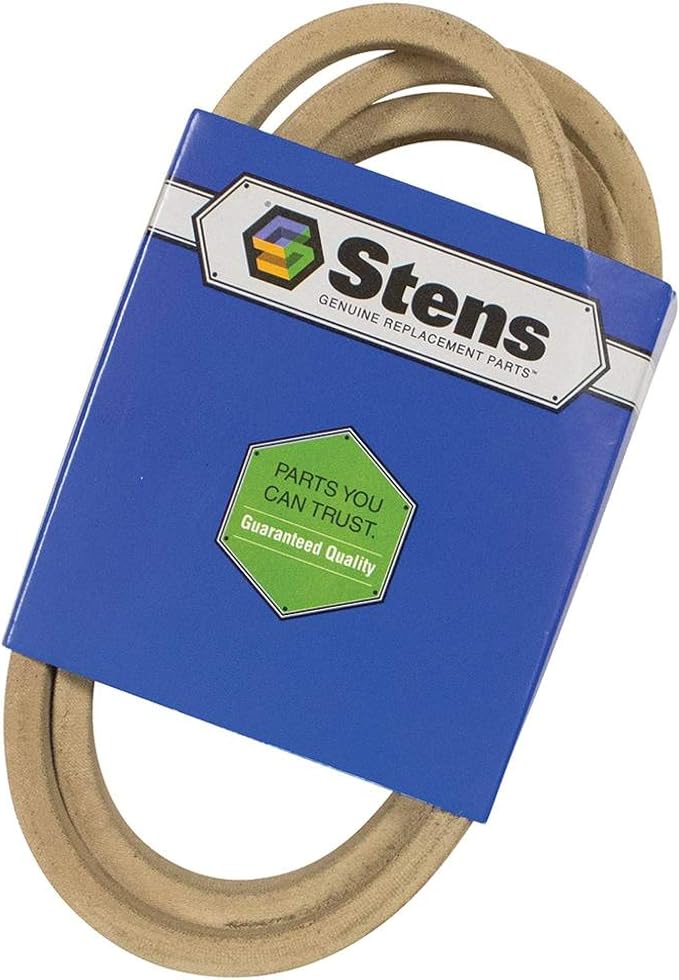 Stens OEM Replacement Belt 265-198
Replaces Husqvarna: 578453619, MTD: 754-04001, 754-04001A, 954-04001, 954-04001A. Fits Models MTD 600 series lawn tractors, except auto drive step-thru frame models, 2003 and newer…
See it →
Stens OEM Replacement Belt 265-198
Replaces Husqvarna: 578453619, MTD: 754-04001, 754-04001A, 954-04001, 954-04001A. Fits Models MTD 600 series lawn tractors, except auto drive step-thru frame models, 2003 and newer…
See it →