BLOOD ON THE PITCH AND CASH IN THE BANK: INSIDE RUGBY'S GREATEST VENGEANCE AND DISRUPTIVE REVOLUTION
BLOOD ON THE PITCH AND CASH IN THE BANK: INSIDE RUGBY'S GREATEST VENGEANCE AND DISRUPTIVE REVOLUTION · Avonetics
 adidas Women's Optime Essentials 3-Stripes Training
 Leggings · Home
See it →
adidas Women's Optime Essentials 3-Stripes Training
adidas Women's Optime Essentials 3-Stripes Training Leggings · Home
See it →
Rugby union and league have always traded in violent collisions and fierce national pride, but few eras pack the dramatic punch of the 1949 to 1956 South African tours and the chaotic 1990s Super League war.
In 1949, New Zealand suffered one of its most painful sporting humiliations. Because of South African apartheid regulations, Māori players were excluded from the touring All Blacks squad. The team manager refused to allow the squad to perform the traditional haka, citing the absence of Māori teammates. To ensure excluded players received international caps, a second squad remained home to face Australia. On September 3, 1949, New Zealand lost two test matches on the exact same day in Johannesburg and Wellington.
 Read nextRugby Cup Final Chaos: Stolen Trophies, Pitch Invasions, and Ref Controversies
The touring side in South Africa suffered a devastating 4-0 series sweep at the hands of Danie Craven’s Springboks. Off the pitch, tragedy struck when the team train crashed in Rhodesia, injuring a player and killing a railway worker. On the long ship journey home, bored players staged a performance of Cinderella, casting a heavy front-row prop in the title role.
Revenge arrived in 1956. South Africa toured New Zealand carrying a sixty-year unbeaten tour record. The atmosphere across New Zealand matches wartime intensity. When thirty-one thousand fans packed into a Hamilton venue built for three thousand, provincial side Waikato stunned the Springboks 14-10.
With the series tied, New Zealand recalled heavyweight boxing champion and prop Kevin Skinner. Skinner’s physical dominance in the front row reshaped the contest. New Zealand secured an 11-5 victory at Auckland’s Eden Park, breaking South Africa's sixty-year record and erasing the ghost of 1949.
Four decades later, a very different war transformed rugby league. In the mid-1990s, the Super League War erupted between media giants Rupert Murdoch and Kerry Packer over television broadcast rights.
 Sony WH-1000XM5 headphones
Whether you work in a noisy office or travel often, Sony WH-1000XM5 headphones deliver outstanding noise cancellation and exceptional comfort. They are ideal for anyone who wants to stay focused or enjoy rich, detailed audio anywhere. Check out the link in the episode description.
Learn more →
Sony WH-1000XM5 headphones
Whether you work in a noisy office or travel often, Sony WH-1000XM5 headphones deliver outstanding noise cancellation and exceptional comfort. They are ideal for anyone who wants to stay focused or enjoy rich, detailed audio anywhere. Check out the link in the episode description.
Learn more →
While critics decry the era as pure corporate greed, supporters point out that pre-Super League players were severely underpaid. Elite stars earned as little as fifteen thousand dollars annually, with international figures like Bradley Clyde working morning landscaping jobs before evening matches. Players possessed no guaranteed contracts or medical insurance.
When Super League offered massive contract sums, it forced the traditional establishment to dramatically increase pay, establish income protection, and modernize player welfare.
One commenter said that modern cash ruined the tribal loyalty and grassroots spirit that made 1956 iconic. Another argued that expecting professional athletes to break bones without medical insurance was modern exploitation, asserting that corporate disruption saved players from poverty.
Our hosts throw down on these legendary grudges and cash battles on today's episode of Sin Bin.
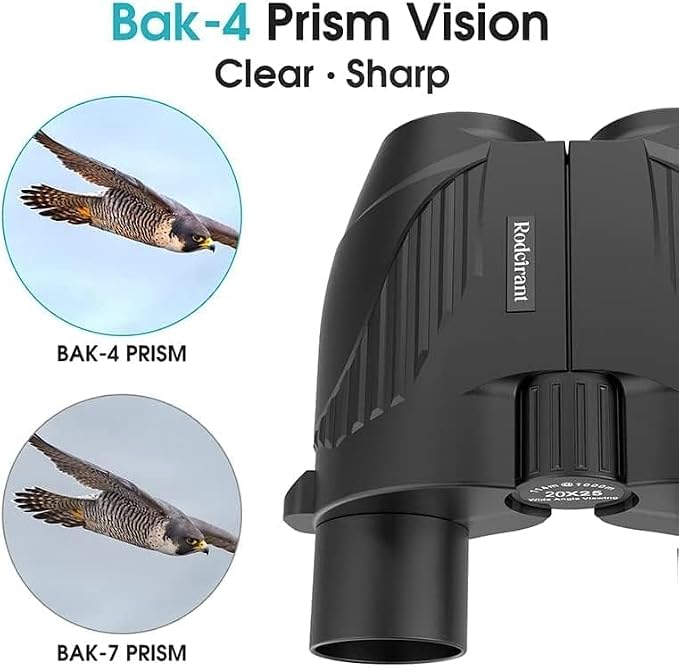 20x25 High Powered Binoculars for Adults
Binoculars 20X25,with 16mm large eyepiece,20X25 binoculars provide high definition without a color-changed or blurred image. The 20 magnification boasts a viewing field of 399ft at…
See it →
20x25 High Powered Binoculars for Adults
Binoculars 20X25,with 16mm large eyepiece,20X25 binoculars provide high definition without a color-changed or blurred image. The 20 magnification boasts a viewing field of 399ft at…
See it →