Bat-People on the Moon? How a Newspaper Fooled a Nation (and Yale Scientists!)
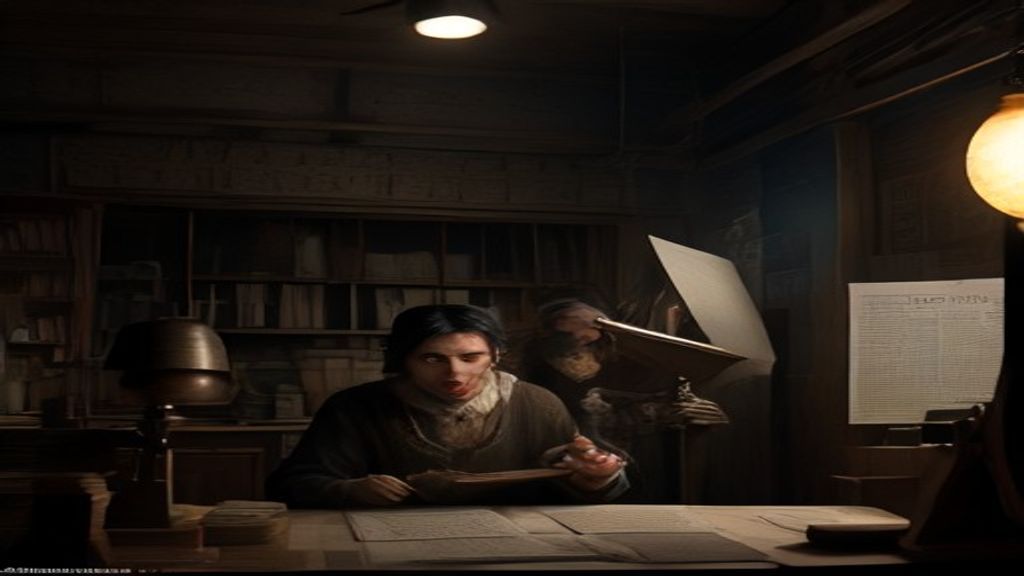
Bat-People on the Moon? How a Newspaper Fooled a Nation (and Yale Scientists!) · Avonetics
 Skytech Gaming Azure 3 Gaming PC
AMD Ryzen 7 9850X3D 4.7GHz (5.6GHz Turbo Boost) CPU Processor | 2TB Gen4 NVMe M.2 SSD – Up to 30x Faster Than Traditional HDD | 360mm AIO Liquid CPU Cooler with ARGB Fans, say good…
See it →
Skytech Gaming Azure 3 Gaming PC
AMD Ryzen 7 9850X3D 4.7GHz (5.6GHz Turbo Boost) CPU Processor | 2TB Gen4 NVMe M.2 SSD – Up to 30x Faster Than Traditional HDD | 360mm AIO Liquid CPU Cooler with ARGB Fans, say good…
See it →
Imagine the year is 1835. News travels slower, and the printed word holds immense authority. Suddenly, the New York Sun begins publishing a series of articles, supposedly reprinted from the esteemed Edinburgh Journal of Science. The headline screams of incredible discoveries: life on the moon!
The byline credits a Dr. Andrew Grant, described as a colleague of the famous astronomer Sir John Herschel. Herschel, it's true, is indeed in Capetown, South Africa, setting up a cutting-edge observatory with a powerful new telescope. This detail lends immediate credibility to the unfolding narrative.
 Read nextSaved by the Ogre: How a Pair of Shrek Briefs Stopped a Dorm Attack—and a Crunchy Mom's Kindergarten Spiral
Grant’s supposed findings are nothing short of fantastical. He describes a lunar landscape teeming with life: unicorns, two-legged beavers, and even furry, winged humanoids resembling bats. The articles paint a vivid picture of the moon's geography, complete with massive craters, enormous amethyst crystals, rushing rivers, and lush vegetation.
The public, captivated, completely devours the story. Readers are utterly taken in, failing to recognize the elaborate tale as satire. The craze over Herschel’s supposed discoveries grips the nation. It's the talk of every parlor and street corner.
But the deception reaches astonishing new heights. A committee of Yale University scientists, renowned scholars of their time, travels to New York in search of the elusive Edinburgh Journal articles. They are convinced that these groundbreaking discoveries are real and want to verify the claims.
 adidas Women's Stadium Mesh T-Shirt
adidas Women
See it →
adidas Women's Stadium Mesh T-Shirt
adidas Women
See it →
Sun employees, rather than revealing the truth, send the bewildered scientists back and forth between the printing and editorial offices, hoping to discourage them. The scientists, perhaps too trusting or too eager for monumental discovery, eventually return to New Haven, still unaware they have been tricked.
The "Great Moon Hoax" becomes one of the most famous journalistic hoaxes in history, a testament to the power of a compelling narrative and the credulity of even the most educated minds. One commenter later reflects on how convincing the articles must have been for even Yale scientists to fall for it, arguing that the public's widespread belief was understandable given the perceived scientific authority.
Another observer, however, points out that the story vividly illustrates the historical capacity of sensational journalism to manipulate public perception, even with claims that, in hindsight, seem utterly outlandish. The deliberate lack of transparency by the Sun when confronted by the Yale scholars suggests a clear intention to deceive, not merely to entertain with satire.
This incredible true story raises fascinating questions about the line between satire and manipulation, and how easily we can be swayed by what we want to believe. Our hosts on Plot Armor dig into this very question.