ARCHITECTURAL HORRORS: The $200 Million Glass Tower That Melted Luxury Cars and Other Insane Design Nightmares
ARCHITECTURAL HORRORS: The $200 Million Glass Tower That Melted Luxury Cars and Other Insane Design Nightmares · Avonetics
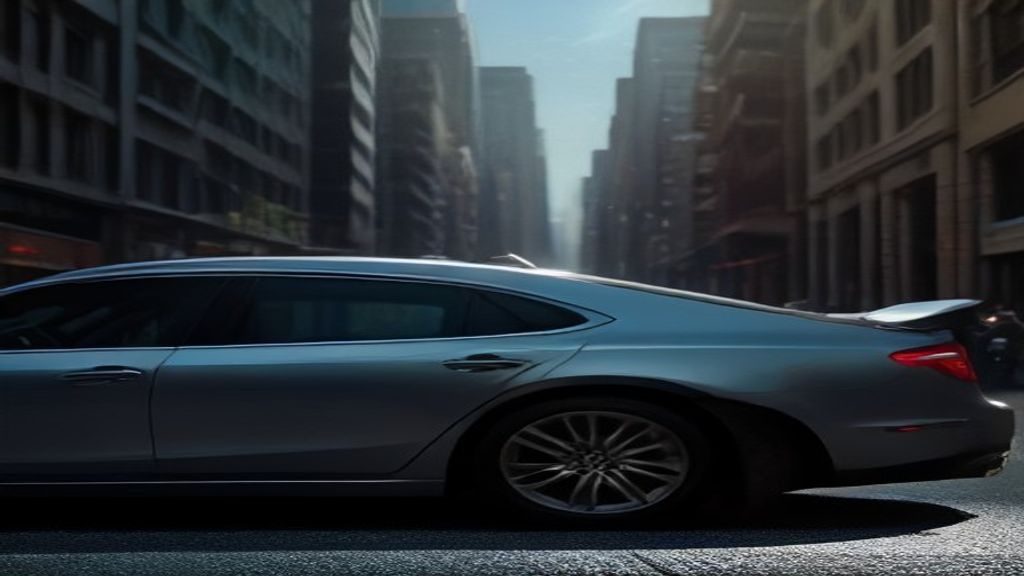
Imagine parking your pristine, $100,000 luxury sports car on a quiet city street, stepping away for a coffee, and returning two hours later to find your vehicle's side panels slumping onto the asphalt like hot cheese on a pizza.
That isn’t a scene from a sci-fi blockbuster. It is the real-life reality faced by unsuspecting commuters in London when a skyscraper's concave glass facade transformed into a giant parabolic mirror, focusing intense sunlight into a localized death ray capable of melting plastic, blistering paint, and frying sidewalk breakfast eggs.
 Read nextDEATH RAYS & EXPOSED SKIRTS: Inside the $120 Million Architectural Disaster That's Terrorizing Downtown!
How do these catastrophes keep happening? We live in an era where design budgets reach astronomical heights, yet basic functionality seems to be slipping out the window. Or worse, opening a door that leads straight into a three-story drop.
Across the globe, architectural blunders and user experience atrocities are turning everyday life into an unwanted obstacle course. Walk through any modern metropolitan transit hub and you are bound to see outdoor escalators left entirely exposed to torrential rainstorms—because someone forgot that indoor gearboxes do not like water. The resulting repair bills routinely climb into the tens of millions, while commuters trek up motionless steel steps.
One angry city commuter writes online that their local train station feels like a game show obstacle course designed by someone who has never seen human feet. Another transit user points out that the local council spent three years building an accessibility ramp so steep it practically requires a winch to navigate safely.
And the madness does not stop at physical buildings. Step inside a brand-new electric vehicle and you are likely greeted by a giant glass screen that has entirely devoured the dashboard. Want to turn on your windshield wipers in a sudden downpour while moving down the interstate at 70 miles per hour? Prepare to tap through three separate sub-menus while praying you do not veer out of your lane.
Drivers are furious about the digital takeover. One reviewer jokes that adjusting the heater now requires the dexterity of a brain surgeon and the patience of a monk. Another driver argues that taking away tactile knobs in favor of cheap touchscreens is pure corporate greed hidden behind a fake mask of futuristic luxury.
Your brand, right here.Reach story-obsessed listeners in 45+ languages → advertise on AvoneticsEven classic design fails are getting worse. The infamous door that looks like a push but requires a pull—dubbed the 'Norman Door' by ergonomics experts—has now mutated into digital interfaces where buttons do not look clickable and emergency exit signage blends seamlessly into decorative wood paneling.
Safety regulators are finally stepping in. European crash testing agencies recently announced that cars will no longer receive top safety ratings unless they bring back actual, physical buttons for critical controls like hazard lights, wipers, and turn signals.
Yet despite the regulatory pushback, starchitects and tech product managers continue to prioritize sleek photoshoots over actual usability. Until designers start testing their creations on real humans instead of rendering software, we will all keep pushing on doors marked pull and watching our hubcaps melt in the glare.
The hosts on this week's episode of Bad Blueprint tear down these architectural abominations and figure out who is really to blame for our broken world.