AN ARTIST SAYS A CLIENT STOLE HER SKETCH, RAN IT THROUGH AI, AND PUT IT ON A BESTSELLER—NOW THE ART WORLD IS EXPLODING
AN ARTIST SAYS A CLIENT STOLE HER SKETCH, RAN IT THROUGH AI, AND PUT IT ON A BESTSELLER—NOW THE ART WORLD IS EXPLODING · Avonetics
 TONYMOLY Tako Pore Clay Scrub Stick
Our octopus-shaped stick targets and extracts stubborn blackheads and sebum from deep within pores using a specialized marine complex that adheres to impurities without harsh scrub…
See it →
TONYMOLY Tako Pore Clay Scrub Stick
Our octopus-shaped stick targets and extracts stubborn blackheads and sebum from deep within pores using a specialized marine complex that adheres to impurities without harsh scrub…
See it →
It is every freelance illustrator’s absolute worst nightmare. You spend days pouring your soul into a custom fantasy book cover concept, submit a preliminary color draft for review, and suddenly the client goes completely dark. No emails, no calls, and definitely no final check.
Months pass. You move on, assuming the project was killed. Then, while scrolling online storefronts, you see it: a glossy new fantasy novel sitting on the bestseller list. The cover image is unmistakably your exact original design, down to the lighting scheme and silhouette placement. But something is horribly off. The characters' hands look like melted wax, the armor details bleed into the background, and the once-sharp line art is covered in strange digital artifacts.
 Read next‘Hand Over the Source Files or We’ll See You in Court!’: Inside the Dark, Unfiltered World of Freelance Art Scams
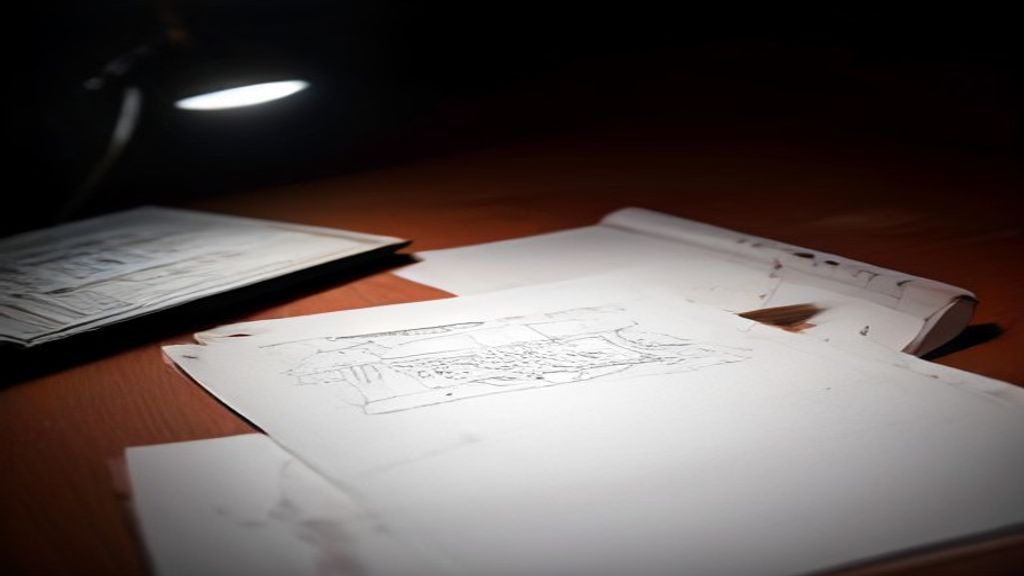
That is precisely what happened to one veteran digital artist, whose horrifying tale of client theft and generative AI high-jacking has sent shockwaves across the global art community. After being stiffed on the remaining half of a six-thousand-dollar contract, the artist discovered that the publisher took her un-watermarked 72 DPI preview sketch, dumped it into an AI image generator, and commanded the machine to finish the job on the cheap.
The visual evidence left no room for doubt. The artist posted a side-by-side visual overlay comparing her original rough sketch to the final published cover. Line for line, pose for pose, the AI had simply repainted over her copyrighted work. The response from the creative community was instantaneous and incandescent.
Within forty-eight hours, online artist networks mobilized a massive pressure campaign. The publisher’s social media channels were flooded with outrage, while thousands of readers left reviews calling out the theft. Facing catastrophic public relations damage, the publisher quietly turned their public profiles to private, while legal advocacy groups rushed forward to offer pro bono support to the creator.
 Angel Soft Toilet Paper
Each Mega Roll Toilet Paper pack contains 18 Mega Rolls with 320 2-ply toilet paper sheets per roll. Every Mega Roll is 4X larger than our regular rolls so you can change the roll…
See it →
Angel Soft Toilet Paper
Each Mega Roll Toilet Paper pack contains 18 Mega Rolls with 320 2-ply toilet paper sheets per roll. Every Mega Roll is 4X larger than our regular rolls so you can change the roll…
See it →
The scandal has reopened painful, burning questions within the creative industry. How do independent creators protect themselves when dishonest clients decide that AI tools offer a free pass to steal early draft work?
Reactions across the industry have highlighted a deep divide in how artists handle client trust. One visual creator noted that sending un-watermarked progress shots to clients is no longer safe in the modern age, arguing that every preliminary work must now carry heavy, tiled watermarks. Another counter-argued that treating every client like a potential thief ruins the professional relationship, insisting that strict contracts and immediate legal action are the only real deterrents.
Meanwhile, copyright attorneys warn that this case is only the tip of a massive iceberg. With commercial AI models making it ridiculously easy to manipulate human-made images, the boundary between creative reference and illegal derivative work is blurring faster than ever.
Our podcast hosts dig into every juicy legal angle, client red flag, and fiery art community reaction to this story on this week's episode of Raw Canvas.
 Bounty Select-A-Size Paper Towels
Pack contains 2 Triple Rolls of white Bounty Select-A-Size Paper Towels. 2 Triple Rolls = 6 Regular Rolls. Select-A-Size sheets help you customize how much to use for each task. Pi…
See it →
Bounty Select-A-Size Paper Towels
Pack contains 2 Triple Rolls of white Bounty Select-A-Size Paper Towels. 2 Triple Rolls = 6 Regular Rolls. Select-A-Size sheets help you customize how much to use for each task. Pi…
See it →