A Decade of Bliss Was All Fake: The Terrifying Dilemma That Has the Internet Questioning Reality
A Decade of Bliss Was All Fake: The Terrifying Dilemma That Has the Internet Questioning Reality · Avonetics
 Apple iPad
Smart Connector. 3.5 mm headphone jack. Stereo speakers. On/Off - Sleep/Wake. Home/Touch ID sensor. Dual microphones. Volume up/down. Nano-SIM tray (cellular models). Lightning con…
See it →
Apple iPad
Smart Connector. 3.5 mm headphone jack. Stereo speakers. On/Off - Sleep/Wake. Home/Touch ID sensor. Dual microphones. Volume up/down. Nano-SIM tray (cellular models). Lightning con…
See it →
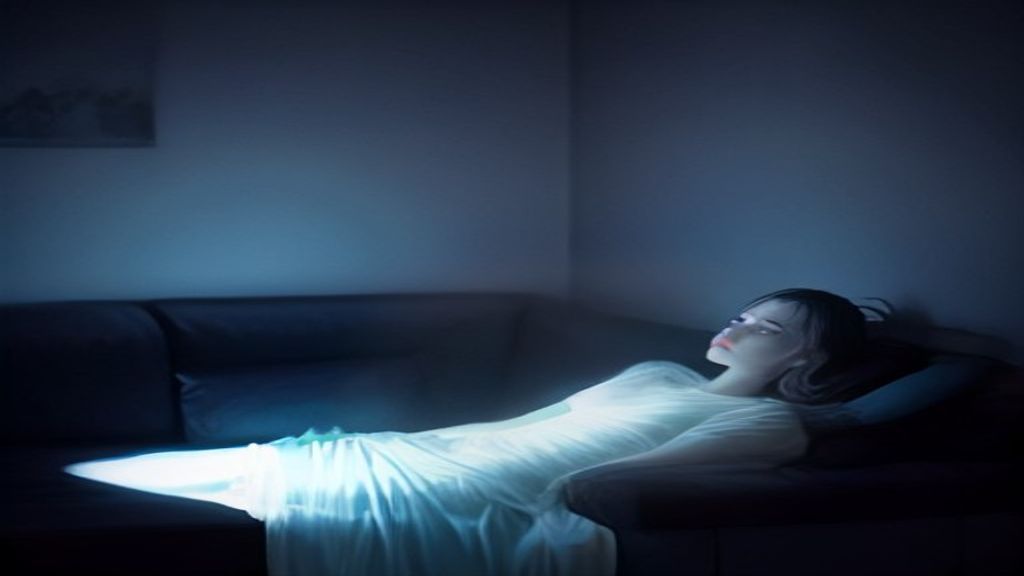
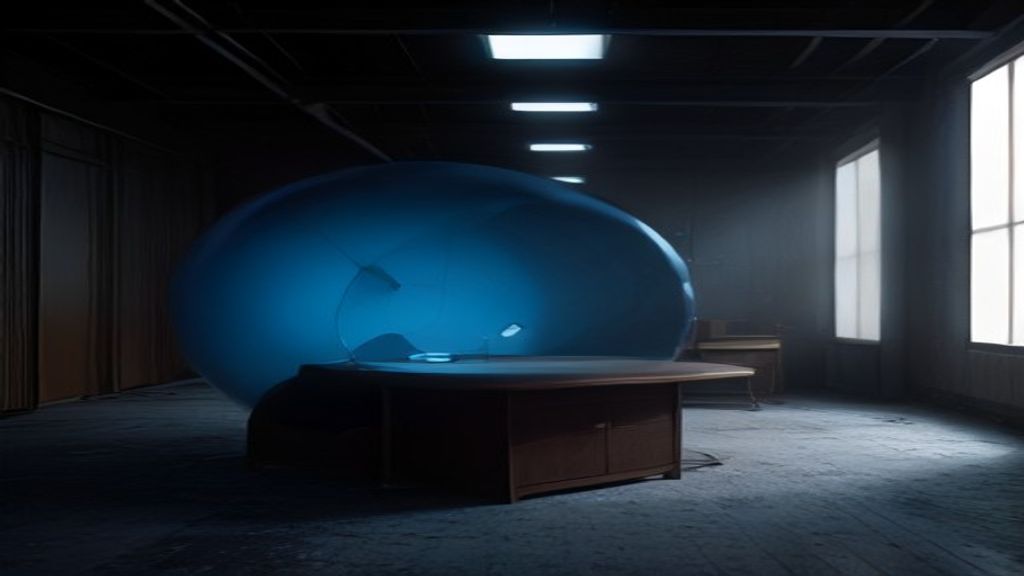
Imagine waking up tomorrow, opening your eyes, and being informed by a technician in a glowing lab coat that every single highlight of your last ten years—your promotion, your soulmate, your cozy house in the countryside—was nothing more than an elaborate digital simulation designed to protect you from overwhelming grief.
Now imagine being given thirty seconds to choose: press a button to step out of the glass tank and return to your actual, broken life, or press another button to erase this conversation and live out the rest of your days in perfect, simulated bliss.
Read nextThe Ultimate Cure for Existential Dread—And the Dark Paradox of Modern MercyThis precise dilemma is setting online philosophical circles ablaze, resurrecting one of the most famous thought experiments of the twentieth century with a terrifying modern twist.
The debate originates from philosopher Robert Nozick’s famous 1974 proposal known as the Experience Machine. Nozick asked whether a person would voluntarily hook their brain to a supercomputer capable of simulating any desirable life imaginable. Nozick believed most people would refuse, claiming that human beings care deeply about actually doing things and living in reality, rather than merely experiencing the feeling of doing them.
Yet, when presented with the modern scenario of a grieving person already embedded inside a ten-year simulation, public opinion fractures instantly.
One commentator argued that choosing reality in this situation is pure vanity, asserting that if the joy feels real to the mind, refusing it to embrace real-world suffering is an act of unnecessary self-torture. Why trade a decades-long loving relationship for a cold, lonely room just to claim you own the truth?
 Levoit Air Purifier for Home Pets
AHAM (Association of Home Appliance Manufacturers) is an ANSI-accredited organization that sets strict standards for appliance performance. Air purifiers with the AHAM VERIFIDE sea…
See it →
Levoit Air Purifier for Home Pets
AHAM (Association of Home Appliance Manufacturers) is an ANSI-accredited organization that sets strict standards for appliance performance. Air purifiers with the AHAM VERIFIDE sea…
See it →
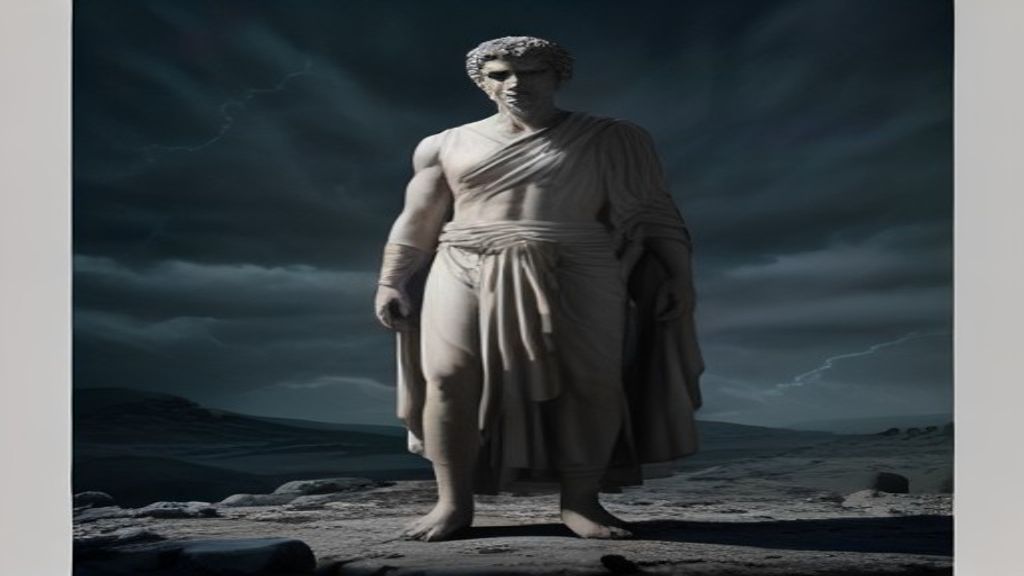
Another observer countered with equal conviction, claiming that living in a simulation turns a person into a passive ghost. In their view, a life spent inside a pre-programmed machine lacks genuine achievement, moral courage, and authentic human connection, reducing a human being to little more than a floating organism fed on electrical impulses.
Adding fuel to the fire, cognitive scientists point out that our instinct to choose reality might be a total illusion. Studies reveal that when people are told their current life is already an artificial setup, a shocking majority choose to remain inside the fake world rather than wake up. Philosophers call this the status quo bias—we simply fear losing what we currently know, whether it is real or simulated.
As emerging technologies like neural interfaces and hyper-realistic virtual worlds blur the boundaries of human experience, this ultimate philosophical question is shifting from a classroom exercise into an imminent reality.
The hosts of Thought Trap unpack this exact dilemma, debating whether truth is worth suffering for and what it truly means to live a meaningful life.