Why Your SaaS Idea Is Failing: The Brutal Truth About Distribution in 2024

Why Your SaaS Idea Is Failing: The Brutal Truth About Distribution in 2024 · Avonetics
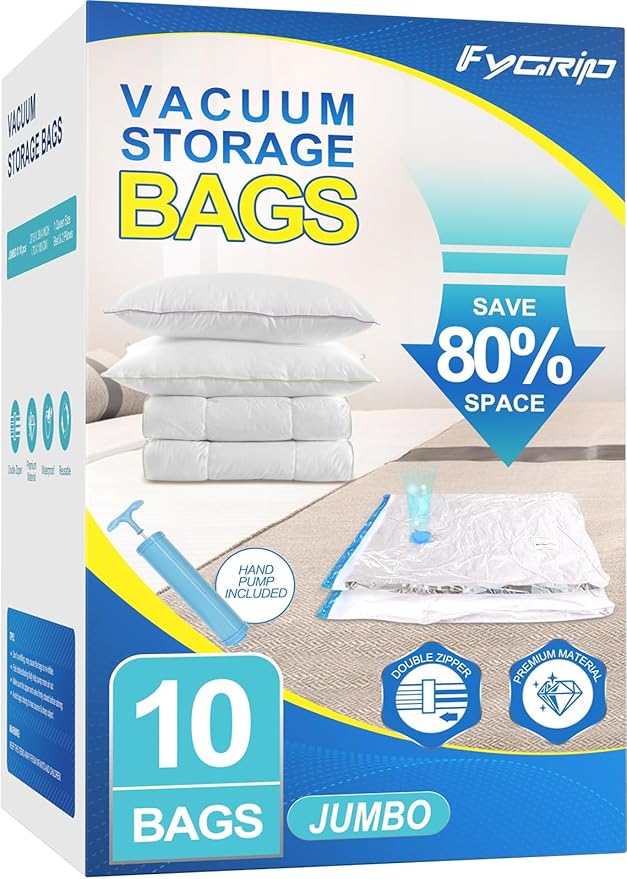 80% Space Saver Vacuum Storage Bags
Plastic. No Fur. 【80% Space Save】: Pack-Seal-Vacuum, with these 3 easy steps, Fygrip vacuum storage bags help you save 80% storage space. They are the game changer for storing your…
See it →
80% Space Saver Vacuum Storage Bags
Plastic. No Fur. 【80% Space Save】: Pack-Seal-Vacuum, with these 3 easy steps, Fygrip vacuum storage bags help you save 80% storage space. They are the game changer for storing your…
See it →
The dream of building a pure software business from home feels increasingly like a pipe dream. Founders are reporting that the landscape has dried up, with the easy wins long gone. The consensus is shifting: it is no longer about writing code, but about who you know and who will talk about your tool.
In the consumer space, the saturation is palpable. Ideas like a medicine reminder app for the elderly, once seen as a solid niche, are now dismissed by industry veterans. They argue that users will simply use tagged alarms rather than paying for a new app. This view is backed by the reality that thousands of similar apps already clutter the stores, making differentiation nearly impossible without a massive marketing budget or a pre-existing network.
 Read next«Πήγα σε ξενοδοχείο για να κρύψω την στειρότητά μου»: Η ιστορία που τρέμει το ίντερνετ
However, a counter-narrative is emerging from those who have survived the lean years. They argue that the problem is not the market, but the target. The elderly user is not the payer; the adult child coordinating care or the home-care agency is. By shifting focus from the user to the payer, the same app becomes a viable business. This approach emphasizes solving a specific, painful workflow problem, such as missed doses or handoffs between carers, rather than just offering a generic utility.
The debate extends beyond specific apps. Many argue that the real barrier is distribution. Without a network of influencers or corporate contacts, even the best software can fail. Yet, others point out that you don't need a celebrity contact; you need a reachable niche. By identifying a small group with a shared pain point and offering a solution that beats their current messy workaround—like spreadsheets or paper logs—you can build a sustainable business without relying on luck or high-level connections.
 SUNLU PLA 3D Printer Filament
①【SUNLU PLA 3D Printer Filament】PLA material is the perfect choice for 3D printing enthusiasts! SUNLU PLA filament is reliable, versatile, and easy to use. No clogs, bubbles, or ta…
See it →
SUNLU PLA 3D Printer Filament
①【SUNLU PLA 3D Printer Filament】PLA material is the perfect choice for 3D printing enthusiasts! SUNLU PLA filament is reliable, versatile, and easy to use. No clogs, bubbles, or ta…
See it →
This shift suggests that the future of software lies in hybrid models. Pure code is cheap; service and context are valuable. Pairing software with setup, monitoring, or specialized support transforms a commodity into a business. For founders, the lesson is clear: stop building for the masses and start solving for the specific. The network is not a barrier to entry; it is the result of solving a problem so well that people can't help but talk about it.
On the podcast, our hosts get into it into this tension, debating whether the solo founder's era of pure software is truly over or if it has just changed shape.