When Peak Fitness Crashes: The Hidden Post-Viral Trigger Driving Heart Rates Sky-High
When Peak Fitness Crashes: The Hidden Post-Viral Trigger Driving Heart Rates Sky-High · Avonetics
 Sony WH-1000XM5 headphones
Whether you work in a noisy office or travel often, Sony WH-1000XM5 headphones deliver outstanding noise cancellation and exceptional comfort. They are ideal for anyone who wants to stay focused or enjoy rich, detailed audio anywhere. Check out the link in the episode description.
Learn more →
Sony WH-1000XM5 headphones
Whether you work in a noisy office or travel often, Sony WH-1000XM5 headphones deliver outstanding noise cancellation and exceptional comfort. They are ideal for anyone who wants to stay focused or enjoy rich, detailed audio anywhere. Check out the link in the episode description.
Learn more →
When an athlete’s resting heart rate spikes from an athletic 50 beats per minute up to a racing 110 beats per minute, the immediate instinct is often panic. For high-performers accustomed to peak physical condition, sudden cardiac shifts signal a jarring drop in biological efficiency. When that elevated heart rate follows a bout of severe viral exhaustion, the line between simple physical deconditioning and complex autonomic dysfunction becomes razor-thin.
The crisis often begins subtly. A dedicated runner and weightlifter contracts Epstein-Barr Virus—the pathogen responsible for mononucleosis—and is forced into six months of total physical rest. Upon returning to light training consisting of regular weightlifting and brisk walking, their baseline cardiac metrics completely collapse. While morning heart rates might briefly sit in the low 60s, simply sitting upright at a desk sends the heart soaring into the high 80s or even triple digits. Attempts to resume regular workouts yield immediate relapses, leaving the athlete caught in an exhausting cycle of short-term progress followed by crushing fatigue.
 Read nextScreeching Pumps and 50-Degree Ice: Inside a Biohacker’s Budget Cold Plunge Meltdown
Health optimizers and researchers remain divided over the root cause of these sudden post-viral heart spikes. One perspective points directly to systemic neurological and endocrine disruptions. Observers note that Epstein-Barr Virus is infamous for triggering post-viral dysautonomia, including condition variants like Postural Orthostatic Tachycardia Syndrome (POTS). In these scenarios, the autonomic nervous system struggles to manage blood vessel constriction, forcing the heart to pump drastically faster just to maintain circulation. Furthermore, hidden iron storage deficiencies—specifically low ferritin levels—and transient hyperthyroidism can present with identical symptoms, inflating heart rates while draining physical stamina.
Conversely, another group argues that the issue is often far more mechanical and straightforward. Prolonged physical inactivity naturally causes rapid cardiovascular deconditioning. One experienced athlete shared that spending extended periods sitting sedentary at a computer drove their sitting heart rate up to 110 beats per minute, but consistent weekly cardio workouts successfully brought baseline heart rates right back down to the 50-60 range. From this standpoint, avoiding exercise out of fear of post-viral fatigue only exacerbates the loss of cardiac stroke volume, making the heart work twice as hard for simple daily tasks.
As biohackers search for reliable methods to retrain the autonomic nervous system, deliberate cold exposure has emerged as a dominant protocol. By stimulating the vagus nerve and dampening overactive fight-or-flight responses, cold plunges are designed to lower sympathetic stress and enhance heart rate variability over time. However, the rapidly expanding cold plunge market poses its own operational challenges for health enthusiasts trying to recover at home.
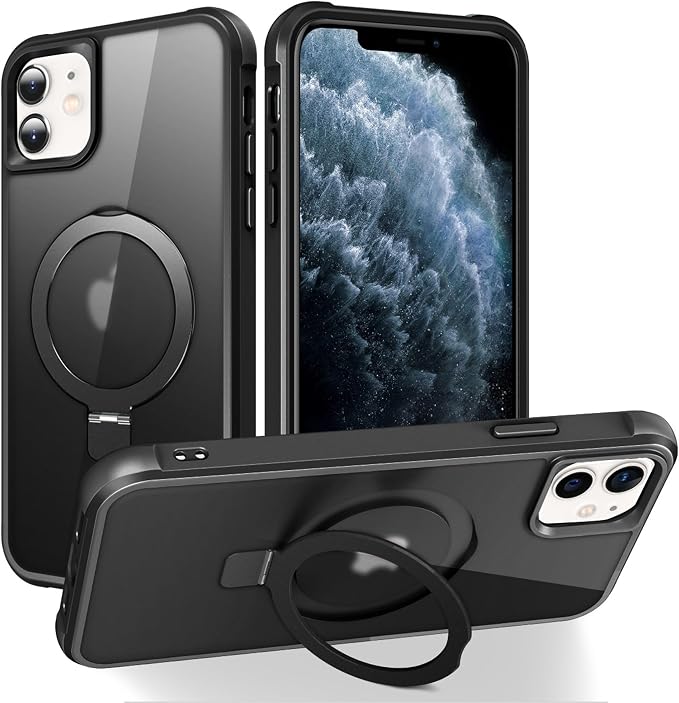 SKYLMW Compatible with iPhone 11 Case
Magnetic Ring Kickstand - Made of Aerospace-grade aluminum, the stand is practical and multifunctional. It can be adjusted between 40°-120° for a stable, hands-free viewing experie…
See it →
SKYLMW Compatible with iPhone 11 Case
Magnetic Ring Kickstand - Made of Aerospace-grade aluminum, the stand is practical and multifunctional. It can be adjusted between 40°-120° for a stable, hands-free viewing experie…
See it →
Navigating plunge hardware requires understanding the critical role of the chiller engine. Modern setups range from makeshift garage chest freezers paired with drop-in chillers to luxury ten-thousand-dollar hot-and-cold integrated tubs. Technical specialists emphasize that cooling capacity—measured strictly in horsepower or BTUs—determines how effectively a system maintains freezing temperatures when a warm body enters the water. Without adequate thermal recovery speed, sanitation systems, and built-in filtration, a cold plunge quickly transforms from an advanced neurological recovery asset into a frustrating maintenance headache.
Unraveling whether elevated heart rates stem from underlying viral damage or simple loss of fitness requires balancing precise bloodwork diagnostics with targeted stress-reduction protocols.
The hosts of Peak State unpack this exact recovery dilemma and break down the top cold plunge setups on this week’s episode.
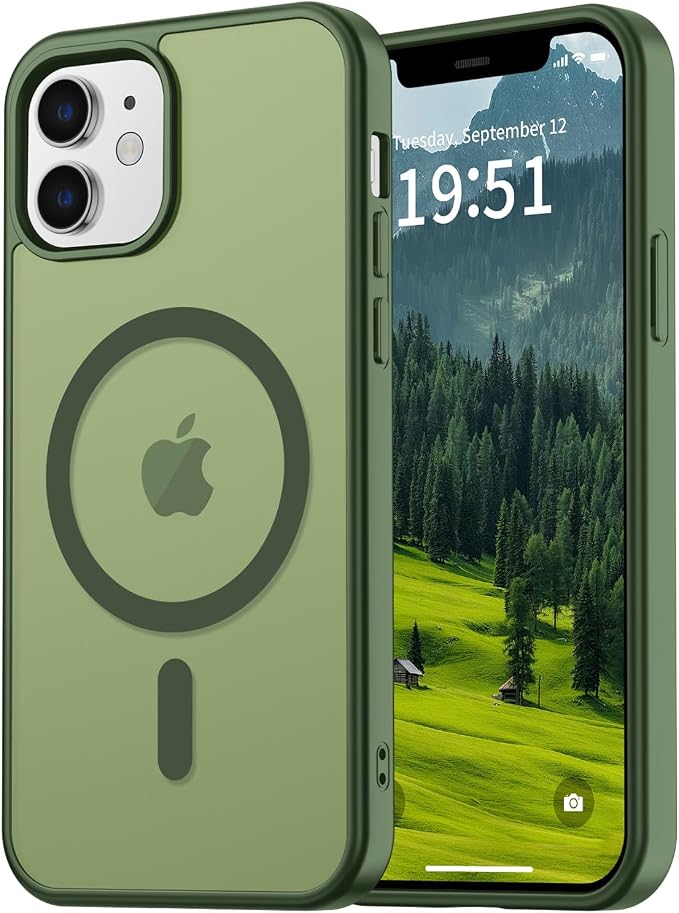 vnnink for iPhone 12 Case/iPhone 12
Compatibility:this phone case is compatible with iPhone 12/iPhone 12 Pro; Precise cutouts for easy access to all ports, buttons, sensors and cameras, soft and sensitive buttons wit…
See it →
vnnink for iPhone 12 Case/iPhone 12
Compatibility:this phone case is compatible with iPhone 12/iPhone 12 Pro; Precise cutouts for easy access to all ports, buttons, sensors and cameras, soft and sensitive buttons wit…
See it →