Trapped in the Pines: How One Solo Hiker Outsmarted a Creepy Trail Stalker in Pitch Darkness
Trapped in the Pines: How One Solo Hiker Outsmarted a Creepy Trail Stalker in Pitch Darkness · Avonetics

A quiet weekend retreat into the dense Pacific Northwest backcountry transforms into a heart-stopping psychological thriller when an experienced solo hiker discovers she is being systematically tracked through the trees.
What begins as an idyllic twenty-four-mile loop quickly turns eerie as dusk falls over a secluded alpine clearing. While gathering deadwood for a fire near her pitch site, the hiker notices distinct, raw notches freshly carved into the bark of surrounding lodgepole pine trees. Every single mark points directly toward her clearing, accompanied by small stacks of river stones pointed straight at her tent entrance—none of which were present on government trail maps or previous terrain logs.
 Read nextBROKEN BONES & SHATTERED LIVES: HOW IGNORED RED FLAGS TURNED DEADLY
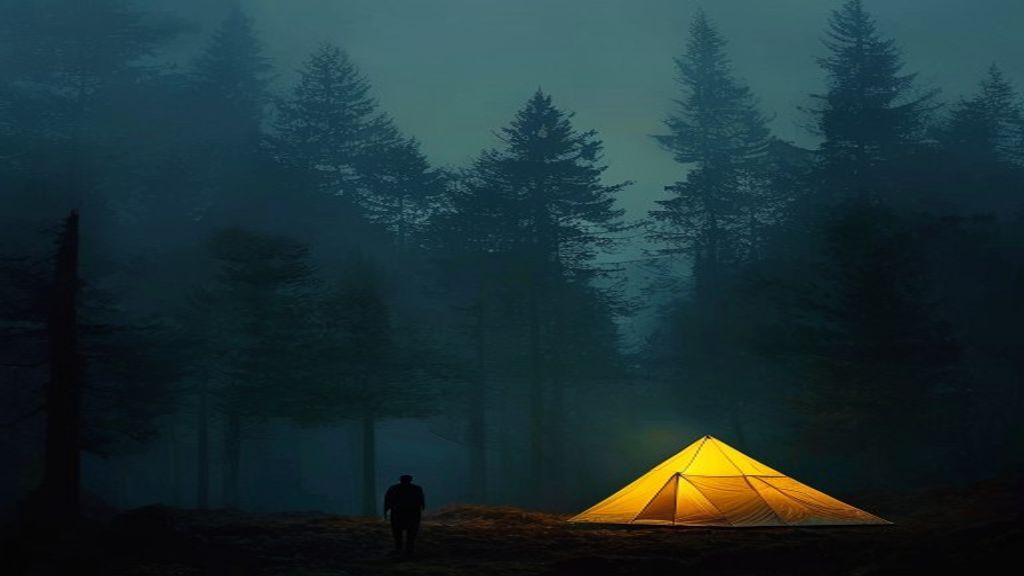
The true nightmare unfolds shortly past one in the morning. A sharp crunch of dry twigs and heavy boot steps snaps her wide awake. Through the thin nylon rainfly of her tent, a narrow beam of white light slowly sweeps back and forth across her sleeping area. Heavy, deliberate footsteps circle her campsite, pausing periodically as if testing for movement or listening to the rhythm of her breathing.
Faced with a terrifying choice—confront an unknown figure in pitch darkness miles from cell service or make a desperate bid for escape—she acts on survival instinct. She hurriedly stuffs her heavy winter jacket, extra fleece, and primary frame pack into her sleeping bag, meticulously sculpting the fabric to mimic a human body resting beneath the blankets.
Slipping silently out the rear vestibule of her tent with a low-lumen red-light headlamp and a small fixed-blade knife, she crawls on her stomach through cold mud into a nearby drainage ravine. From her position concealed beneath dense underbrush fifteen yards away, she watches in absolute horror as a tall figure dressed in dark rain gear unzips her tent door and shines a high-powered flashlight directly at the dummy in her sleeping bag.
The intruder lingers for over twenty agonizing minutes, cursing under his breath and searching the immediate perimeter with a flashlight beam before vanishing up a hidden game trail into the dense timber. She remains motionless in the freezing brush until daylight breaks over the mountains before making a desperate seven-mile sprint to her vehicle and alerting local county sheriff deputies.
Sheriff deputies later inspected the campsite but reported that heavy rainstorms rolling through the valley late that afternoon obliterated boot prints and potential physical evidence. Despite the lack of an arrest, local park rangers issued an advisory for solo travelers along the ridge, urging visitors to report any suspicious trail markers or unusual encounters immediately.
Your brand, right here.Reach story-obsessed listeners in 45+ languages → advertise on AvoneticsThe harrowing narrative has ignited fierce debate among outdoor enthusiasts and survival commentators regarding proper backcountry safety protocols.
One observer notes that creating a physical decoy was a masterclass in tactical evasion, successfully neutralizing the stalker's reliance on surprise without risking a lethal confrontation deep in the wilderness.
Another commenter argues that fleeing into pitch-black terrain poses severe hypothermia and disorientation risks, suggesting instead that aggressive verbal warnings, high-lumen blinding strobes, and bear spray remain the most effective deterrents against human threats on public lands.
Safety analysts point out that non-fatal stalking incidents on public lands remain drastically underreported due to remote locations and lack of cellular connectivity, leaving many solo hikers vulnerable to unseen predators operating in isolated trail corridors.
The hosts of Close Calls dissect the thrilling mechanics of this narrow escape and what every solo traveler needs to know on the latest podcast episode.