Therapy or Comedy? Inside the Brutal Debate Rocking the Stand-Up Circuit
Therapy or Comedy? Inside the Brutal Debate Rocking the Stand-Up Circuit · Avonetics
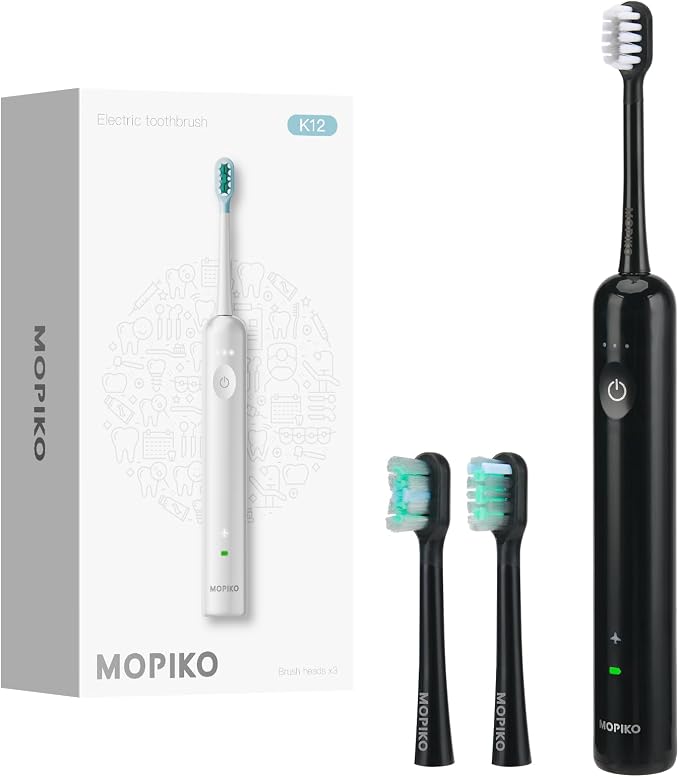 Oscillating Electric Toothbrush for Adults
DENTIST-INSPIRED 60° CLEANING TECHNOLOGY: MOPIKO electric toothbrush features a unique 60° oscillating motion, proven to clean deep into gum pockets and between teeth more effectiv…
See it →
Oscillating Electric Toothbrush for Adults
DENTIST-INSPIRED 60° CLEANING TECHNOLOGY: MOPIKO electric toothbrush features a unique 60° oscillating motion, proven to clean deep into gum pockets and between teeth more effectiv…
See it →
There was a time when stand-up comedy was judged by a single, ruthless metric: how many laughs could a performer squeeze into a sixty-minute block? The formula was simple, transactional, and refined over decades of late-night club sets. Setup, punchline, tag, move on. But walk into any major comedy venue or turn on a top-tier streaming special today, and you are far more likely to hear a detailed breakdown of an intervention, a tearful confession about grief, or a play-by-play of a cancer diagnosis.
The landscape of live comedy has fundamentally shifted. Performers like John Mulaney, Mike Birbiglia, and Daniel Sloss have built critical juggernauts out of hours centered on addiction, mortality, and deeply personal tragedy. Rather than churning out observational gags about daily life, modern comics are structuring their hours as cohesive, narrative monologues—turning tragic life events into theatrical comedy.
 Read nextFrom 'Comedy Bible' Cringe to Open Mic Triumph: A Rookie's Wild Stand-Up Debut
This evolution has ignited a fierce debate across the comedy circuit. Fans of narrative comedy argue that laying one's soul bare is the highest form of the art. One commenter noted that chronological, life-story specials elevate stand-up into genuine theater, using laughter as a tool to process real-world pain. Others point to specials tackling severe depression or illness, arguing that these shows resonate far deeper than standard setup-punchline routines ever could.
However, a growing faction of comedy purists is calling foul. Skeptics argue that the stage is rapidly turning into an expensive therapy session, where audiences are expected to offer sympathy rather than simple, unrestrained laughter. One critic pointed out that when a set relies primarily on personal trauma, the laugh-per-minute count drops dramatically, leaving patrons with what feels more like a Ted Talk than a comedy show.
 WAHFAY Acrylic Hygiene Dispenser Sanitation Station
Acrylic hygiene sanitation dispenser station with 3 compartment, different shapes of hollow design can be easily accessed, each compartments provides different storage varieties, c…
See it →
WAHFAY Acrylic Hygiene Dispenser Sanitation Station
Acrylic hygiene sanitation dispenser station with 3 compartment, different shapes of hollow design can be easily accessed, each compartments provides different storage varieties, c…
See it →
This clash between raw vulnerability and pure entertainment extends all the way down to the indie grind. As Edinburgh Fringe performers scramble to fill seats, open-mic hosts and podcasters are opening emergency recording slots to give desperate artists a platform to pitch their personal stories to potential ticket buyers. For some, it represents the heart of independent art; for others, it looks like a desperate plea for pity in an industry that used to value raw punchlines above all else.
Whether modern stand-up is undergoing a brilliant renaissance or losing its comedic edge remains the ultimate question facing performers and audiences alike.
Our podcast hosts battle over both sides of this comedy war in the latest episode.