The Shoelace Paradox: Why Trivial Promises Matter More Than You Think

The Shoelace Paradox: Why Trivial Promises Matter More Than You Think · Avonetics
 Higustar Women's Mexican Embroidered Dress
 Plus Size Bohemian Hippie Peasant Boho Floral Traditional Fiesta Dresses · Fashion
See it →
Higustar Women's Mexican Embroidered Dress
Higustar Women's Mexican Embroidered Dress Plus Size Bohemian Hippie Peasant Boho Floral Traditional Fiesta Dresses · Fashion
See it →
The debate over the value of moral values has taken a sharp turn, focusing on the strange power of trivial promises. At the center of this philosophical discussion is a simple, almost absurd commitment: promising a child that you will tie your right shoelace before your left one on alternate days, provided they do their homework without fuss. On the surface, the act is useless. No one cares about the order in which shoelaces are tied. Yet, the breaking of this promise carries a weight that feels disproportionately heavy.
This scenario illustrates a core tension in modern ethics: the conflict between value-based motivation and reason-based obligation. Philosophers argue that normativity—the pressure to act—does not always require the action to have practical value in the world. Instead, the act of promising creates a reason to act. To break the promise is, in itself, a moral failure, regardless of the triviality of the task. This view suggests that moral principles are not just about producing good results, but about maintaining the integrity of our collaborative relationships.
 Read nextShe Was a Rock Star. Now She’s Building Green Homes.
The implications of this view extend far beyond shoelaces. It challenges the way we perceive fairness and cooperation. Fairness is often defined as the impartial distribution of goods and burdens. However, the shoelace promise shows that moral binding can exist even when there is no tangible benefit to distribute. This suggests that our moral compass is less about calculating outcomes and more about respecting the social contracts we form with others.
Yet, this perspective faces a powerful counter-argument. Critics argue that adhering strictly to moral rules can lead to a form of alienation. When individuals suppress their own desires to fit into a moral framework or a political cause, they risk losing their individuality. This is where the concept of the 'pleasure of thinking' comes into play. True freedom, according to this view, lies in the ability to think for oneself, to critically evaluate pre-digested opinions, and to reclaim one's mind from ideological control.
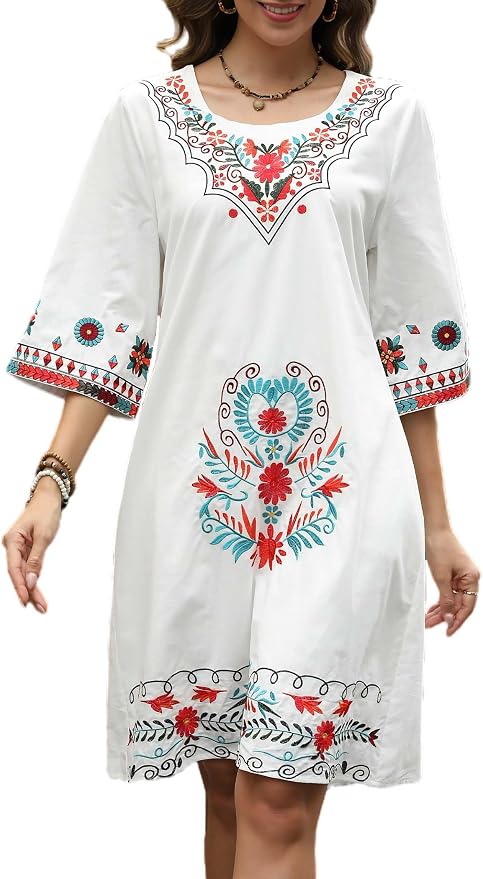 AK Traditional Mexican Dress for Women
 Floral Embroidered 3/4 Sleeve Boho Dress, Summer Fiesta Peasant Dresses, 60
See it →
AK Traditional Mexican Dress for Women
AK Traditional Mexican Dress for Women Floral Embroidered 3/4 Sleeve Boho Dress, Summer Fiesta Peasant Dresses, 60
See it →
The tension between these two views creates a complex ethical landscape. On one hand, we need moral principles to cooperate and live together. On the other hand, we need the freedom to think and desire for ourselves to avoid becoming mere extensions of a system. The shoelace promise becomes a microcosm of this larger struggle. It is a small, trivial act that reveals the deep roots of our social obligations and the potential for individual alienation.
As we navigate this landscape, the question remains: are our moral values a tool for social survival or a cage for our individual minds? The answer may lie in finding a balance between respecting our commitments and preserving our freedom to think. In a world filled with noise and ideology, the ability to pause, reflect, and choose our own path may be the most revolutionary act of all. The hosts of Panse Fon dig into this story on the podcast, exploring the nuances of moral obligation and individual freedom in a way that challenges conventional thinking.
 15.6'' AI Laptop with Office 365
Stunning 15.6" FHD IPS Display: Experience crisp 1920x1080 resolution on this 15.6 inch laptop with an IPS panel that delivers wide viewing angles and vivid colors. The narrow-beze…
See it →
15.6'' AI Laptop with Office 365
Stunning 15.6" FHD IPS Display: Experience crisp 1920x1080 resolution on this 15.6 inch laptop with an IPS panel that delivers wide viewing angles and vivid colors. The narrow-beze…
See it →