The Gochujang Pizza Tragedy: How Cooking Burnout Kills Your Appetite
The Gochujang Pizza Tragedy: How Cooking Burnout Kills Your Appetite · Avonetics

There is few things more frustrating in the culinary world than doing everything right in the kitchen only to feel completely empty when you finally take a bite. That exact tragedy played out recently when a passionate home cook poured hours of effort into crafting a high-concept, fusion pizza from scratch, only to suffer a complete sensory shutdown at the dining table.
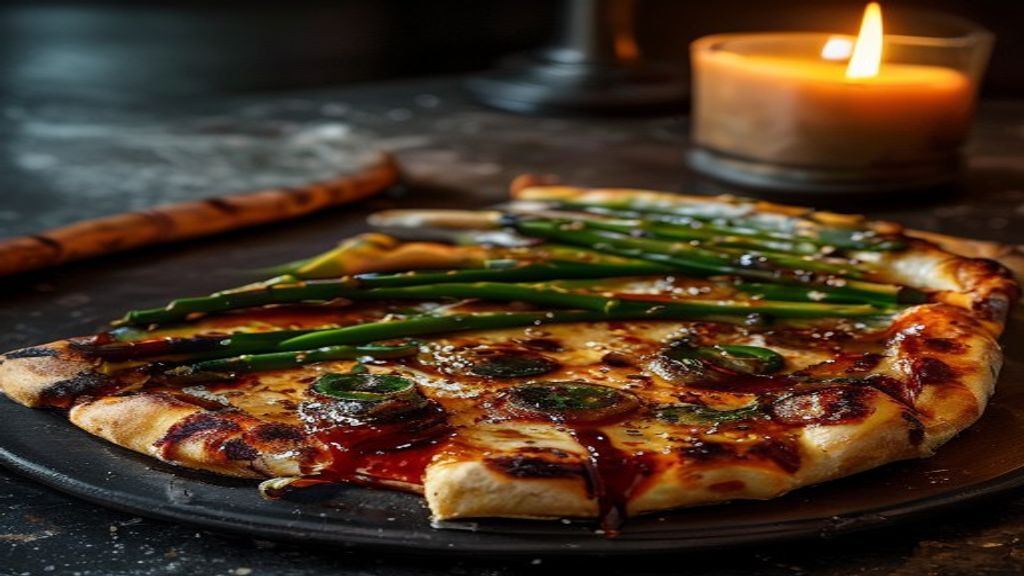
The dish itself sounded like something off the menu of a trendy downtown bistro. The foundation featured a homemade crust—crisped to absolute perfection on the bottom while maintaining a light, airy structure. For the base, the chef combined spicy, umami-rich gochujang with sweet tomato sauce, creating a complex, punchy kick. The toppings were equally ambitious: sliced asparagus, savory ham, earthy mushrooms, and delicate artichoke hearts, topped off with a sharp dusting of aged pecorino cheese.
 Read nextThe Great Broth Betrayal: Why Your Homemade Vegetable Stock Tastes Like Salty Water
On paper, the flavor profile was a masterclass in modern comfort food. But off the paper, reality struck hard.
After spending an entire day enduring oppressive heat, noise, and constant mental stimulation, the chef completed the assembly and pulled the golden pie from the oven. But when the moment came to savor the reward, the meal fell totally flat. Sensory overload had set in. The heat of the kitchen, combined with hours of smelling ingredients and managing prep work, had completely desensitized the cook's palate and drained their emotional battery.
The experience resonated deeply across the culinary community, sparking an intense debate about the hidden psychological toll of cooking while exhausted.
Your brand, right here.Reach story-obsessed listeners in 45+ languages → advertise on AvoneticsMany veteran home cooks and industry workers rushed to validate the experience, labeling it classic sensory fatigue. One commenter noted that after spending hours playing both chef and server for household guests, they almost always lose their appetite entirely, unable to eat until the following morning. Another stressed parent shared how emotional turmoil ruins meals, explaining that after carefully preparing dinner, a toddler's tearful rejection turns the entire dining experience sour before the adult even gets a chance to taste their own food.
However, others argued that the problem wasn't sensory fatigue, but rather poor strategic choices in the kitchen. Counter-arguments suggested that food should act as a remedy for a terrible day, not an additional source of stress. One person argued that their absolute best meals happen when they put minimal thought and effort into preparation, emphasizing that simple comfort foods prevent performance anxiety.
Is attempting an elaborate culinary experiment after a brutal day a noble act of self-care, or is it just straightforward self-sabotage?
The hosts of Overcooked break down this exact culinary crisis, taking sides on whether sensory burnout is inevitable or avoidable on the latest episode of the podcast.