Teen Cook Pushed to the Edge at High-End Japanese Eatery: 'Work Faster for Minimum Wage!'
Teen Cook Pushed to the Edge at High-End Japanese Eatery: 'Work Faster for Minimum Wage!' · Avonetics

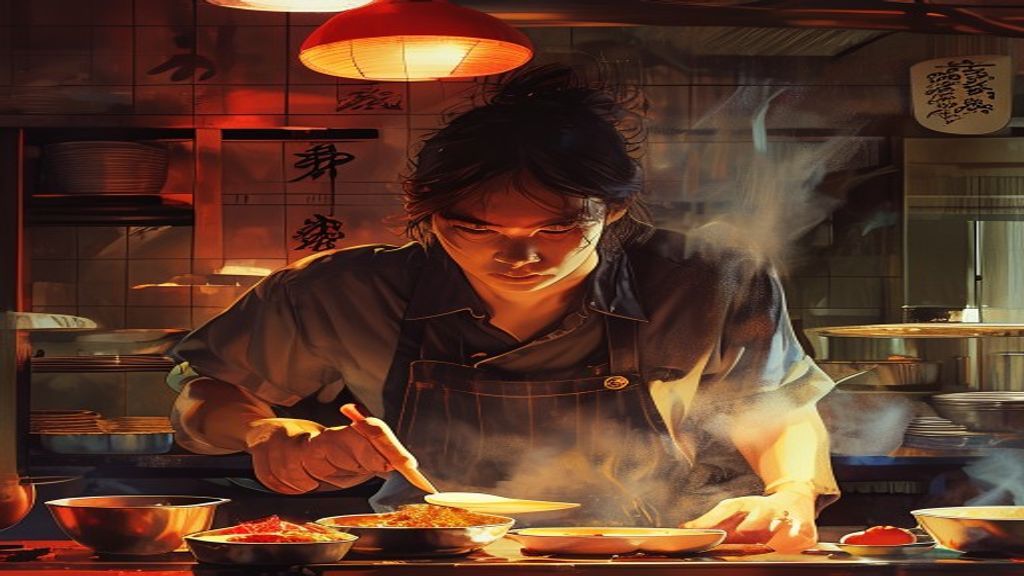
The high-stakes world of fine dining is famous for high heat, long hours, and relentless speed. But for one eighteen-year-old newcomer, the reality of working inside a mid-to-high-end Japanese restaurant has turned into an overwhelming battle of physical exhaustion and mental strain.
Hired with the promise of learning authentic Japanese cooking methods and refining her knife skills, the young worker quickly found herself relegated to the dish pit. Instead of mastering delicate sushi cuts or learning traditional broths, her days are consumed by mountain-high stacks of dirty pots and rapid-fire prep demands.
 Read nextThe Great Broth Betrayal: Why Your Homemade Vegetable Stock Tastes Like Salty Water
To make matters worse, management keeps cranking up the heat. During intense service rushes, supervisors constantly tell her to work faster, explicitly comparing her speed to a twenty-five-year-old coworker with a formal culinary degree. Despite pushing her body to the absolute limit across grueling double shifts, the constant prodding has left her questioning her place in the industry.
The core issue sparking outrage is the compensation. Earning absolute minimum wage, the young line worker is struggling to determine whether the emotional toll and grueling labor are worth the promise of future culinary prestige—or if she should walk away to flip burgers at a corporate chain.
The story has ignited a fierce debate across the food and beverage industry regarding kitchen culture, mentorship, and fair wages.
One commenter came out strongly against the restaurant's management, arguing that offering minimum wage while demanding lightspeed efficiency is a slap in the face. They noted that comparing an untrained teenager to a seasoned culinary school graduate is a sign of poor leadership, emphasizing that low pay yields low urgency.
Your brand, right here.Reach story-obsessed listeners in 45+ languages → advertise on AvoneticsAnother industry veteran countered that dish pit efficiency is the ultimate test for any aspiring chef. They argued that until a newcomer proves they possess basic speed and hustle at the sink, no head chef will trust them with high-end, expensive ingredients on the line. According to this perspective, enduring the kitchen prodding is a necessary rite of passage to build thick skin and refine operational discipline.
Others pointed out the long-term career trade-off. While working at a casual chain restaurant might offer a less stressful environment for similar pay, having an established fine-dining Japanese spot on a resume provides valuable clout for future job searches.
As restaurant workers continue to debate the boundary between kitchen discipline and low-wage exploitation, one question remains: should young cooks suffer through toxic pressure for experience, or demand better conditions from day one?
Our hosts unpack every angle of this kitchen conflict and deliver their ultimate verdict on the latest episode of Overcooked.