TAX DOLLARS AT WORK! How Two Federal Agencies Spent $15M Renting an Empty Warehouse Full of Broken Chairs for 14 Years
TAX DOLLARS AT WORK! How Two Federal Agencies Spent $15M Renting an Empty Warehouse Full of Broken Chairs for 14 Years · Avonetics
Imagine paying nearly ninety thousand dollars a month for an apartment you haven't stepped foot in since 2009. Now imagine doing it with other people's money, and when someone asks why you haven't handed back the keys, you point at your coworker and say, "He has the clipboard."
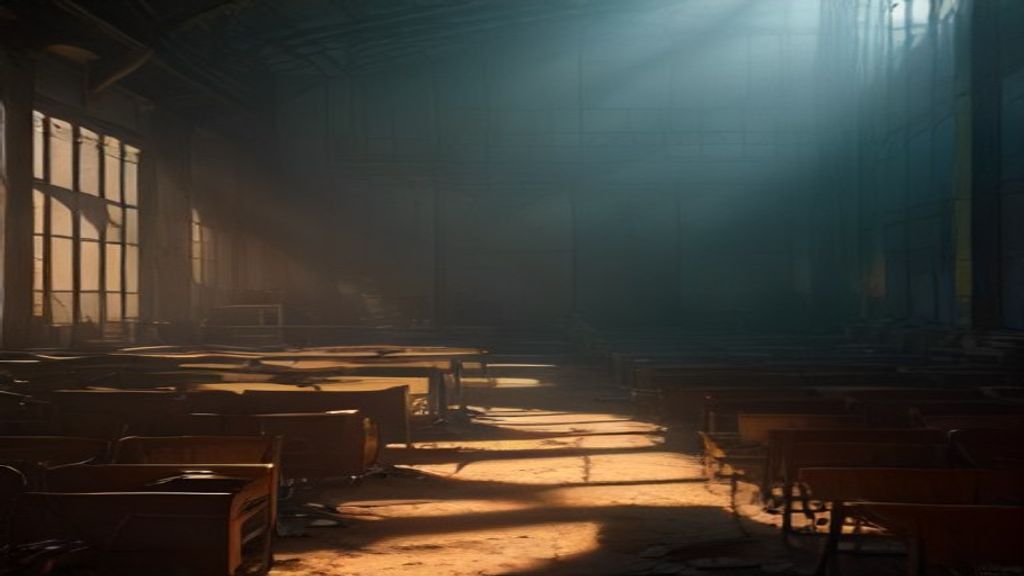
Welcome to the astounding world of federal facility management, where a 120,000-square-foot warehouse in suburban Missouri spent fourteen years as the world's most expensive storage unit for broken ergonomic office furniture.
 Read nextGhost in the Bulkhead: How a Navy Sailor’s Sleep Strike Terrified Ship Security
It all starts back in the late 2000s when a major federal department signs a long-term lease through a central government real estate agency. The plan is simple: store paper records and logistics gear. But technology moves fast. Within three years, digital filing renders the facility obsolete. The staff packs up, turns off the lights, and leaves.
Here is where the bureaucracy turns into a psychological thriller. Under federal rules, canceling the lease early carries an instant $2.2 million penalty. That penalty must come directly out of the regional manager's active operating budget. However, letting the lease run automatically draws money from a separate, pre-funded capital line item that nobody monitors.
Facing a choice between taking a hit on their immediate balance sheet or letting a ghost lease quietly auto-pay in the background, officials choose option two. For fourteen years.
Internal communications paint a picture of administrative deadlock. Middle managers write hundreds of emails debating who holds the actual power to sign the cancellation paperwork. One agency insists it is merely a broker and cannot act without a signed surrender form. The other agency refuses to sign the form out of fear that doing so will trigger an Inspector General investigation.
Meanwhile, the private landlord sits back and collects uninterrupted monthly wire transfers. The lease terms require the government to keep the building climate-controlled. So, year after year, industrial HVAC units pump fresh, cool air into an empty cavern, maintaining pristine temperatures for a lonely collection of fourteen hundred broken yellow swivel chairs.
The game breaks down when a local exterminator submits a forty-two thousand dollar invoice to clean up a massive rodent problem inside the non-existent operation. A central payment processor flags the charge, looks up the building's utility records, and realizes the address has consumed zero running water for over a decade.
Public reactions to the breakdown range from dark humor to intense frustration. One public sector worker notes that this is what happens when administrative systems punish workers for fixing problems but reward them for hiding expenses inside automated budget lines. Another commentator argues that without strict procedural checks, rogue managers would cause even worse chaos by breaking legal contracts willy-nilly.
By the time the lease is finally cut, taxpayers are out over fifteen million dollars in rent, electricity, and rodent control for a building that held nothing of value.
On the latest episode of Red Tape, the hosts pull back the curtain on this administrative horror story, dissecting how fear, paperwork, and broken chairs created the ultimate government money pit.