She Patrolled the Cul-de-Sac With a Metal Ruler — Until One Neighbor's Wildflowers Ended Her Reign
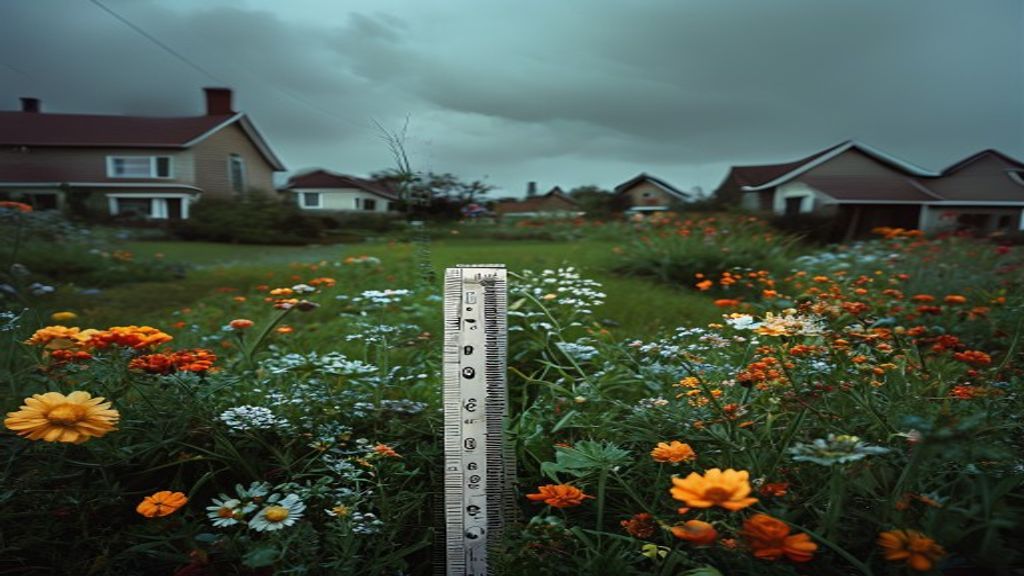
She Patrolled the Cul-de-Sac With a Metal Ruler — Until One Neighbor's Wildflowers Ended Her Reign · Avonetics
The first violation letter arrives on a Tuesday, complete with a time-stamped photo taken at 7:40 in the morning.
The charge: grass measured at six and a half inches — half an inch over the limit at Willow Bend Estates, a 214-home subdivision where the covenants run 62 pages and the mailboxes come in exactly one approved shade of black. The fine is $25, doubling with every repeat.
 Read nextBoss Screamed 'Follow the Handbook Exactly!'—So His Employee Followed It Straight into a $42,000 Disaster
The homeowner, a first-time buyer still recovering from his down payment, steps onto the porch a few mornings later and sees exactly who is behind it: the HOA's vice president of covenant compliance, walking the cul-de-sac with a clipboard, a camera and an actual metal ruler.
Neighbors have stories. A $50 fine for a basketball hoop left out overnight. A citation for a wind chime "audible from the street." One young family gets written up because their toddler's sidewalk chalk counts as "unapproved pavement modification."
Under her three-year reign, the association's fine revenue has roughly tripled — a stat she celebrates in the newsletter as "restoring standards."
The homeowner appeals the dew-bent-grass fine and loses, 4 to 1, in a hearing that lasts four minutes. The other board members, he realizes, will rubber-stamp anything she writes.
So he stops arguing and starts reading.
Two discoveries change everything. First, his state — like a growing list that includes Florida, Texas, Colorado and Minnesota — bars HOAs from banning native, low-water or "managed natural landscape" plantings. Any covenant that says otherwise is unenforceable. Second, Willow Bend's famous six-inch rule applies, by its own explicit wording, only to "turf grass."
If there is no turf, there is nothing to measure.
That fall, he rips out every blade. In its place goes a designed native meadow: coneflower, little bluestem, milkweed, black-eyed Susan, clean-cut borders and a cedar sign announcing the yard as a Certified Wildlife Habitat — a designation that costs $20 through the National Wildlife Federation and puts him in the company of more than 300,000 certified yards nationwide.
Then he sends the board a certified letter with the statute attached.
She fines him anyway. $25. Then $50. Then $100.
A single $350 flat-fee letter from an attorney — pointedly noting the statute lets prevailing homeowners recover legal fees — lands on the board's desk. Their own lawyer reads it and tells them to stand down. Every fine is rescinded in writing.
Your brand, right here.Reach story-obsessed listeners in 45+ languages → advertise on AvoneticsAnd that is when the homeowner decides he isn't finished.
He starts attending every meeting. He files records requests the board is legally required to honor. And he begins documenting the enforcer's own property: a flagpole six feet over the height limit. A shed painted an unapproved color. Her husband's lettered work van — a prohibited commercial vehicle — parked in the driveway overnight roughly 200 nights in a single year, each one photographed and dated.
At the annual meeting, he presents it all: photos, dates, covenant citations, and a calm explanation of what selective enforcement does to an HOA's legal standing. Cornered, the board fines its own vice president $1,175.
The neighbors smell blood. A recall petition needs 43 signatures; it collects 61. She loses her seat 118 to 46, and the new board rewrites the compliance policy — written warnings first, fines only after 14 days.
By the next summer, the meadow is a riot of blooms, and three more households on the street have torn out their turf.
When the story hits the internet, the jury is loud and largely unanimous. "You didn't break the rules — you read them harder than she did," one commenter said, in a reply pushed straight to the top.
Not everyone cheers unreservedly. Another argued that logging a neighbor's driveway for 200 nights "stops being justice and starts being a hobby." A self-described former board member insisted the real villains were the four members who rubber-stamped every fine. A landscaper chimed in with hard numbers, pegging a DIY meadow conversion at $2,000 to $6,000.
But the verdict, overwhelmingly, is a crown. He beat the rulebook with the rulebook — and left the street prettier, cheaper to water and friendlier to butterflies, while the woman with the ruler got measured out of power by her own tactics.
The hosts of Get Even take this one apart blade by blade — the loophole, the recall, and whether 200 nights of van surveillance is dedication or obsession — on this episode of the podcast.