No Room at the Peak: Traveler’s Last-Minute Dolomites Trip Triggers Wild Camping Debate
No Room at the Peak: Traveler’s Last-Minute Dolomites Trip Triggers Wild Camping Debate · Avonetics
Planning a last-minute summer getaway to Italy's spectacular Dolomites region sounds like the ultimate romantic escape. Towering jagged peaks, turquoise lakes, and historic alpine villages offer a dream backdrop for outdoor enthusiasts. But when one traveler decided to book an impromptu trip to Cortina d’Ampezzo for late August, reality hit like a sudden alpine blizzard. Every single hotel, hostel, and official campsite within a multi-mile radius was totally booked solid, leaving the hopeful hiker scrambling for low-budget survival options during peak Ferragosto holiday season.
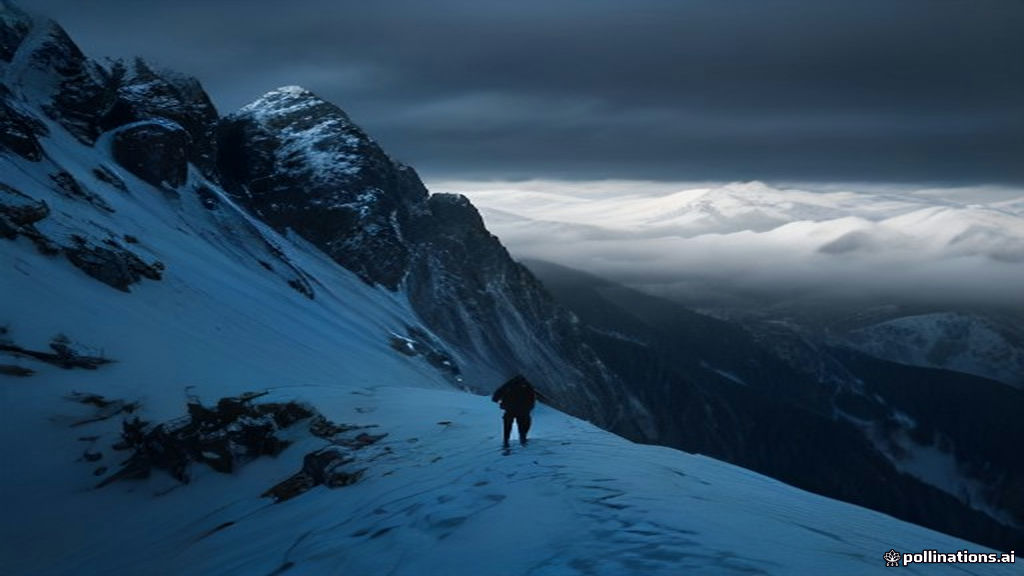
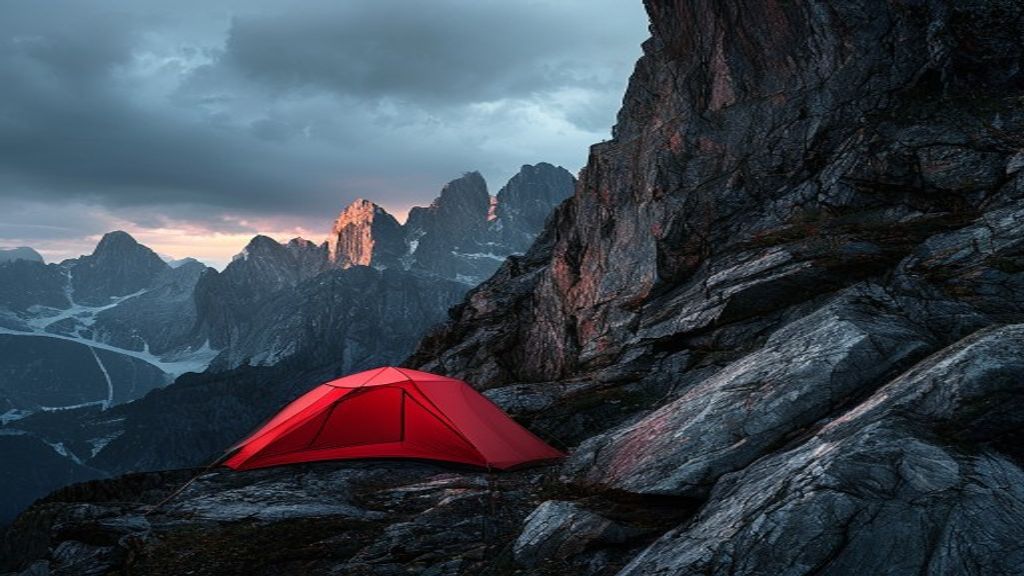
With commercial lodging completely out of reach, the desperate traveler began researching extreme alternatives: emergency mountain bivouacs, wild camping loopholes, and sleeping in high-altitude shelters intended for stranded climbers. Wild camping is strictly illegal across the Veneto region, carrying steep monetary penalties enforced by local rangers. Yet the temptation to pitch a tiny shelter above the treeline at dusk and pack away at dawn created a fiery debate over travel ethics, safety, and spontaneous budget adventures.
Read nextCheap Paradise Turned Hostage Situation: Inside the 600-Room Luxury Resort With Only Nine Guests and Zero PowerThe situation sparked strong reactions from seasoned alpine travelers and local wilderness experts. One person said that relying on emergency mountain bivouacs as cheap lodging is irresponsible and unethical. Unmanned alpine bivouacs are designed specifically to keep injured or storm-bound mountaineers alive during life-threatening emergencies, not to serve as free hostels for last-minute tourists. Occupying those limited bunks without a real emergency risks leaving actual stranded climbers out in dangerous weather.
Another commenter argued that wild camping in heavily regulated zones like Cortina d’Ampezzo is a quick way to get slapped with a five-hundred-euro fine. Local authorities actively patrol popular trailheads and alpine meadows during peak season to protect fragile ecosystems from trash and human impact. Trying to save money on a room could easily end up costing far more than a high-end luxury resort if local law enforcement catches you sleeping in an unauthorized area.
However, experienced mountain wanderers suggested several practical workarounds for travelers caught in a last-minute pinch. One frequent visitor noted that staying outside the main tourist hub in lower valley towns like Belluno or Calalzo di Cadore offers affordable lodging options and reliable early morning bus service directly to iconic trailheads. Another suggested calling mountain huts, known as rifugios, directly on the morning of travel to snap up last-minute cancellations left behind by sick hikers.
Navigating the high Alps on a shoestring budget requires balancing the thrill of spontaneous adventure with deep respect for local regulations and mountain safety. While last-minute travel can yield unforgettable stories, entering Europe's busiest mountain range without a guaranteed bed is a high-stakes gamble that tests even the most seasoned backpackers.
Our hosts unpack this high-altitude dilemma and debate the ultimate alpine ethics on this week's episode of Out of Office.