MacBook Pro Deadlock: One Month Struggling To Find Boot After Critical Update
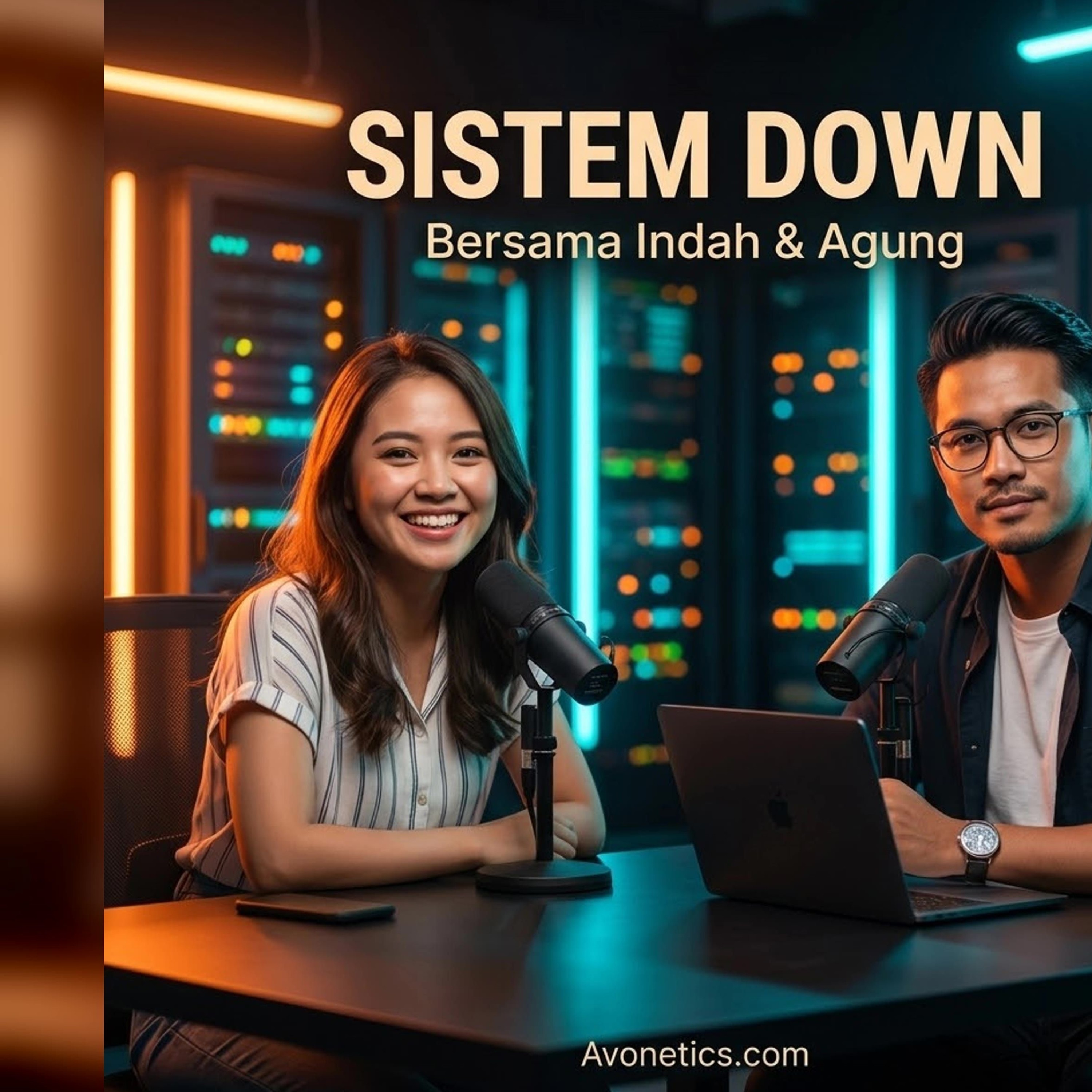
MacBook Pro Deadlock: One Month Struggling To Find Boot After Critical Update · Avonetics
 NICETOWN Blackout Grey Window Treatments 84
Elegant Design: 2 panels per package. Each Blackout Curtain measures 40" wide x 84" long. The design of silver grommet (1.6-inch inner diameter) creates casual elegance for your ho…
See it →
NICETOWN Blackout Grey Window Treatments 84
Elegant Design: 2 panels per package. Each Blackout Curtain measures 40" wide x 84" long. The design of silver grommet (1.6-inch inner diameter) creates casual elegance for your ho…
See it →
Every year, millions of laptop users find themselves trapped in a familiar dilemma: a shiny new upgrade that promises speed, but delivers frustration instead. This close look into Rina’s battle with her MacBook Pro reveals the hidden friction points between user expectations and complex software evolution. From the moment she clicked "Install Now" to the final sigh when the laptop finally whirs back to life, each hour became a lesson in patience, miscommunication, and the surprising psychology behind tech frustration.
At first glance, the issue seemed straightforward. Rina, a graphic design specialist based in Jakarta, eagerly anticipated the macOS Sonoma update, which Apple touted as a performance revolution. The plan was simple: download the update, run the installer, and enjoy faster rendering times. Instead, within minutes of completing the installation, the laptop fell silent. The screen stayed black, and when she pressed the power button, a cryptic "kernel panic - not found" greeted her. The initial reaction was pure despair—a mixture of embarrassment and helplessness that plagues countless IT professionals.
 Read nextPerang Dingin Komunitas Tech: Bikin Aplikasi Simpel Malah Dihujat Dev Elitis!
But the story doesn’t end with a sad face. Over the following days, Rina transformed her crisis into a learning journey. She dug into system logs, consulted forums filled with thousands of similar reports, and even reached out to Apple Support with meticulous documentation. The investigation revealed a subtle but critical incompatibility: the new kernel module relied on a drivers framework that hadn’t been fully integrated with third‑party graphics solutions. Even though Apple claimed the update was stable, its rollout timeline left a gap where certain peripherals simply couldn’t communicate.
This discovery sparked a broader conversation among developers and power users. Several experts weighed in, offering both technical explanations and practical workarounds. One prominent developer from Bandung suggested temporarily disabling the problematic driver and booting into Recovery Mode, while another recommended creating a custom boot partition using Time Machine backups. These strategies aren’t just band‑aid—they represent actual mitigation tactics for future software conflicts.
Yet beyond the technical resolution lies a deeper narrative about trust. Rina confided that her confidence in Apple’s ecosystem had taken a hit. "I used to think buying newer hardware meant less worry," she told the community. "Now I’m questioning if convenience really comes at the cost of reliability." This sentiment resonated with others who have experienced parallel struggles—whether it’s failing to install a game due to corrupted files or watching a beloved app disappear overnight because of a sudden platform change.
The episode also touched on organizational impacts. Several companies rely on high-performance laptops for critical tasks, and downtime translates directly into revenue loss. In Rina’s case, a week-long outage cost her agency roughly $120,000 equivalent in delayed deliverables. This makes the story resonate far beyond individual users—IT departments worldwide are feeling the pressure of balancing rapid software innovation with operational stability.
 NICETOWN Room Darkening Short Curtains
Elegant Design: 2 panels per package. Each Blackout Curtain measures 34" wide x 50" long. The design of silver grommet (1.6-inch inner diameter) creates casual elegance for your ho…
See it →
NICETOWN Room Darkening Short Curtains
Elegant Design: 2 panels per package. Each Blackout Curtain measures 34" wide x 50" long. The design of silver grommet (1.6-inch inner diameter) creates casual elegance for your ho…
See it →
To answer the open question: why did this happen despite Apple’s reputation for attention to detail? Experts suggest a combination of rushed development cycles, limited beta testing on non‑Apple hardware, and communication gaps between engineering teams and end‑user communities. The result is a fragmented support landscape where users sometimes lack clarity about known issues or potential breakages.
As we wrap up, the key takeaways stand out clearly. First, thorough pre‑deployment testing across diverse environments is non‑negotiable. Second, maintain robust backup and recovery plans—not just for data, but for system state. Third, cultivate a culture where users feel comfortable reporting edge cases rather than silently suffering through glitches.
For those listening who have faced similar setbacks, remember: every obstacle is a stepping stone. By documenting errors, seeking alternative solutions, and advocating for clearer communication from vendors, you turn frustration into empowerment.
Teaser: The next episode on Sistem Down will get into it a scenario that takes panic to a whole new level — when a multi-million dollar project stalls because the entire infrastructure collapses under a single unexpected failure. Stay tuned for the close look into resilience and redemption.