Home Invasion: Digital Edition! Is Your Smart Home Secretly Watching You?
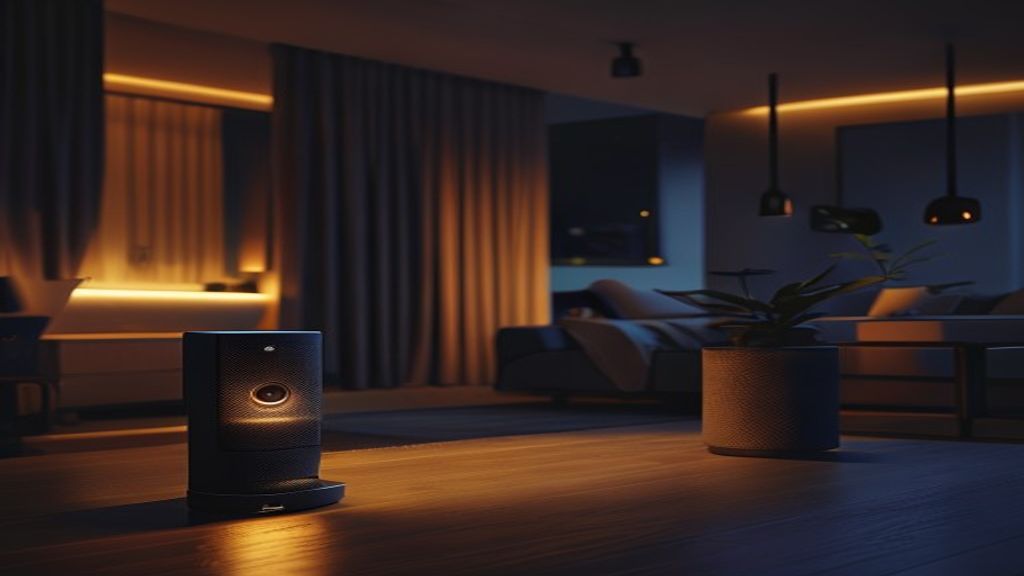
Home Invasion: Digital Edition! Is Your Smart Home Secretly Watching You? · Avonetics
The promise of a 'smart' home is alluring: convenience, security, and effortless living. Imagine adjusting your thermostat from your phone, locking your doors with a voice command, or checking in on your pets via a camera. But what happens when these futuristic features turn against you, transforming your sanctuary into a scene from a psychological thriller?
Increasingly, individuals are reporting unsettling experiences where their smart home systems—designed to protect and serve—become instruments of fear, surveillance, or outright malfunction. These aren't just minor glitches; for some, they've become full-blown nightmares.
 Read nextTRAIL OF TERROR: How A Quick-Thinking 'Grandmother' Saved A Teen From A Daylight Stalker
Consider the case of a user whose state-of-the-art smart lock system, after a routine software update, simply ceased to function. Trapped inside their own apartment for hours, they faced the terrifying reality of being imprisoned by their own technology. Emergency services ultimately had to intervene, highlighting the dire consequences of relying solely on digital security.
Beyond mere malfunctions, a darker truth emerges: smart homes are vulnerable to malicious intrusion. Weak passwords and unpatched software can turn your connected devices into an open invitation for hackers. Once compromised, these digital intruders can gain unprecedented access to your private life. Imagine your security cameras broadcasting your every move or your smart speakers suddenly blaring music in the dead of night, with no explanation.
One particularly chilling application of hacked smart home tech is digital stalking. Victims have shared harrowing accounts of former partners or even strangers remotely manipulating their home environments. Lights flickering on and off, thermostats inexplicably changing temperatures, or knowing glances from a security camera that's supposed to be private—these actions erode a person's sense of safety and privacy in their own home.
Your brand, right here.Reach story-obsessed listeners in 45+ languages → advertise on AvoneticsOne commenter said, "It felt like I was living in a haunted house, but the ghost was my ex with a keyboard." Another argued, "We rush into new tech without thinking of the dark side. My 'smart' home just became my biggest regret."
These incidents aren't isolated. They underscore a growing concern about the security and privacy implications of our increasingly connected lives. As more devices integrate into our homes, the potential for exploitation expands. The convenience of a smart home often comes with a hidden cost: an expanded attack surface for those with malicious intent.
While manufacturers are urged to prioritize robust security features and regular updates, the onus also falls on consumers. Strong, unique passwords, two-factor authentication, and vigilance about privacy settings are no longer optional but essential for safeguarding your digital sanctuary.
The line between technological marvel and domestic terror is thinner than we think. What begins as a promise of convenience can quickly devolve into a chilling saga where your own home turns against you. The hosts of "Close Calls" delve into this disturbing trend and share more stories that will make you look at your smart devices differently.