Hero or Villain? A Grandfather's Harsh Verdict on the Mahabharata's Most Beloved Outcaste Sparks a Massive Karmic Debate
Hero or Villain? A Grandfather's Harsh Verdict on the Mahabharata's Most Beloved Outcaste Sparks a Massive Karmic Debate · Avonetics
 HP Windows Laptop Intel
HP 14" Laptop with HD micro-edge anti-glare display. 4 GB DDR4 RAM, 64 GB eMMC storage. Windows 11 Home in S mode, Intel Celeron N4120 Processor, Intel UHD Graphics 600. Hard Drive…
See it →
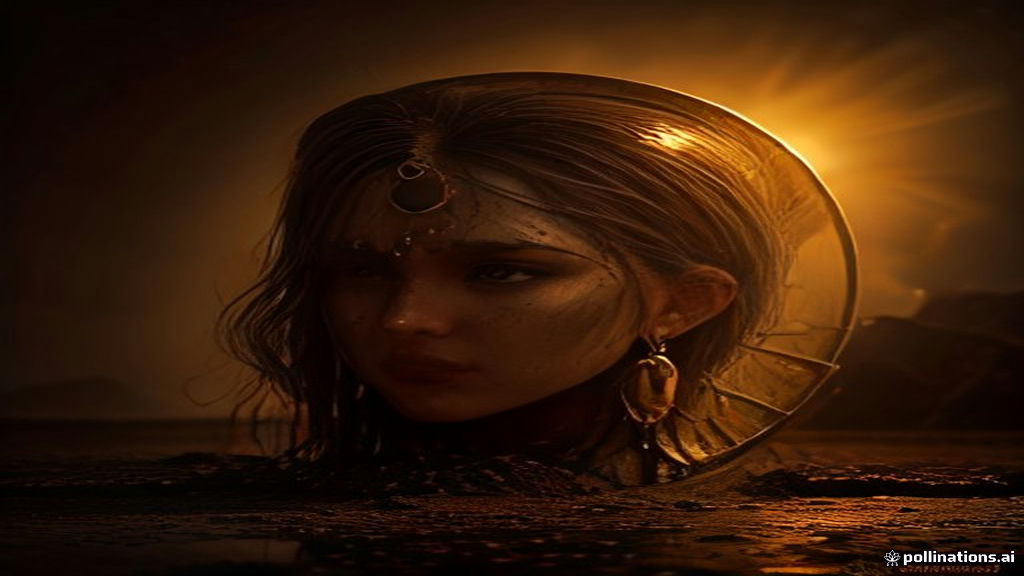
It started at a family dinner table and ended as a full-blown philosophical battleground. When a young spiritual seeker mentioned admiring Karna—the sun-born, armor-clad warrior of the Mahabharata—their grandfather shut the conversation down instantly.
Karna, the elder insisted, was no tragic hero. He was a man who traded his soul for a crown and stood by while a kingdom tore itself apart.
 Read nextHero or Villain? The Internet Is Raging Over Mahabharata’s Most Tragic Warrior
When the seeker shared that dinner-table clash with an online community dedicated to Vedic lore and sacred storytelling, the response was immediate and electric. Within hours, hundreds of practitioners, Sanskrit readers, and folklore enthusiasts were locked in one of the oldest moral debates in human history: Is unwavering loyalty to a friend noble when that friend is a tyrant?
To understand why temperatures rise so quickly around Karna, you have to understand the seductive power of his backstory. Abandoned at birth by his royal mother Kunti and raised by a humble charioteer, Karna grows into a peerless archer who is mocked and barred from competing against Prince Arjuna because of his perceived low birth.
Then comes the moment that wins every modern reader's heart. Duryodhana, the ambitious Kuru prince, steps forward in front of the jeering crowd and crowns Karna king of Anga on the spot. In return, Karna swears he will stand by Duryodhana until his final breath.
"If the entire world treats you like dirt and one man gives you dignity, you die for that man," one commenter argued fiercely. "Arjuna had the royal bloodline, the best teachers, and the gods on his side. Karna only had his bow and his word."
For decades, poems, plays, and television serials have leaned heavily into this romantic image of the generous underdog—the warrior who literally sliced his divine golden armor off his own chest to fulfill a beggar's request, knowing it would cost him his life in battle.
But as dozens of sharp-eyed readers pointed out, the ancient text of Vyasa's Mahabharata tells a much darker, far more complicated story.
Another commenter argued that modern fans confuse personal pain with moral innocence, pointing directly to the infamous dice game in the royal court. When the Pandava queen Draupadi is dragged into the hall and humiliated, Karna doesn't merely watch in silence to keep the peace with Duryodhana. According to the Sanskrit epic, Karna openly mocks her and calls for her robes to be stripped away.
 Microsoft Surface Laptop 6 13.5" Touchscreen
With 32 GB LPDDR5X of memory, users can run many programs without losing execution. The 13.5" 2256 x 1504 screen provides a great movie watching experience. 256 GB total SSD capaci…
See it →
"Trauma explains why he hated the royal family, but it doesn't excuse ordering the assault of a helpless woman," one reader noted. "You don't get to invoke the warrior's code only when your own chariot wheel gets stuck in the mud."
That stuck chariot wheel is the climax of the entire debate. On the seventeenth day of the Kurukshetra war, as three separate karmic curses converge at once, Karna's wheel sinks into the earth and his memory of divine weapons vanishes. Stepping down to wrench the wheel free, he begs Arjuna to pause and honor the rules of fair combat.
Instead, Krishna reminds Karna of every moment he trampled on righteousness—including helping six warriors ambush and kill Arjuna's sixteen-year-old son Abhimanyu from behind—and commands Arjuna to fire the fatal arrow.
"That is the genius of the epic," a longtime practitioner wrote as the thread reached hundreds of replies. "Karna isn't a cartoon villain. He is terrifying precisely because he is capable of breathtaking charity and breathtaking cruelty on the exact same day."
Whether you see him as a noble outcaste crushed by destiny or a brilliant warrior blinded by misplaced gratitude, Karna's dilemma hits uncomfortably close to home for anyone who has ever been torn between personal loyalty and doing what is right.
On the latest episode of the Sacred Fire podcast, the hosts unpack the three curses of Karna, the courtroom showdown at Kurukshetra, and what this 3,000-year-old karmic debate reveals about our own moral compromises.