FREEZING ON THE EDGE: How an Ultralight Backpacker’s '3-Pound Risk' Almost Ended in Tragedy
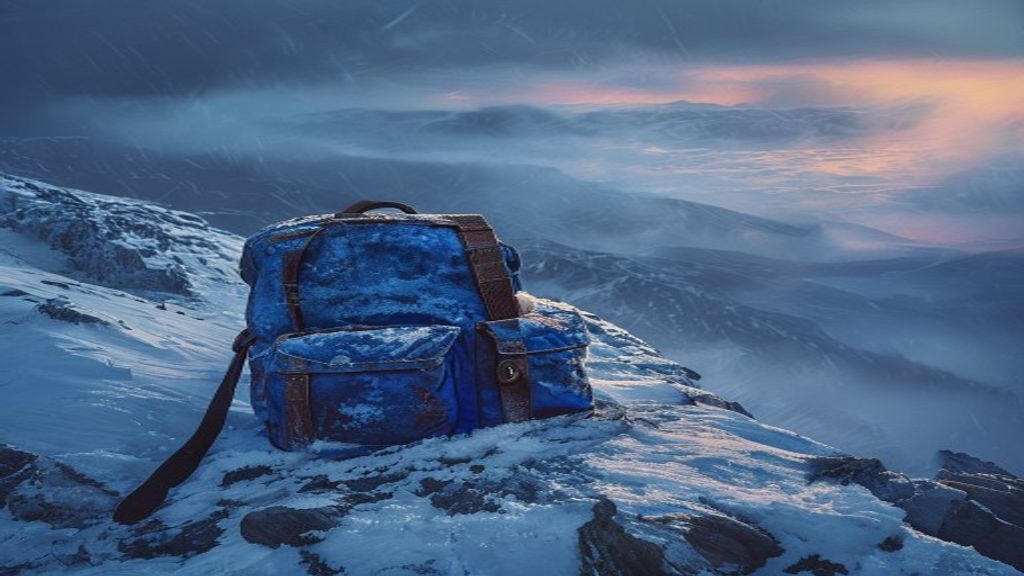
FREEZING ON THE EDGE: How an Ultralight Backpacker’s '3-Pound Risk' Almost Ended in Tragedy · Avonetics

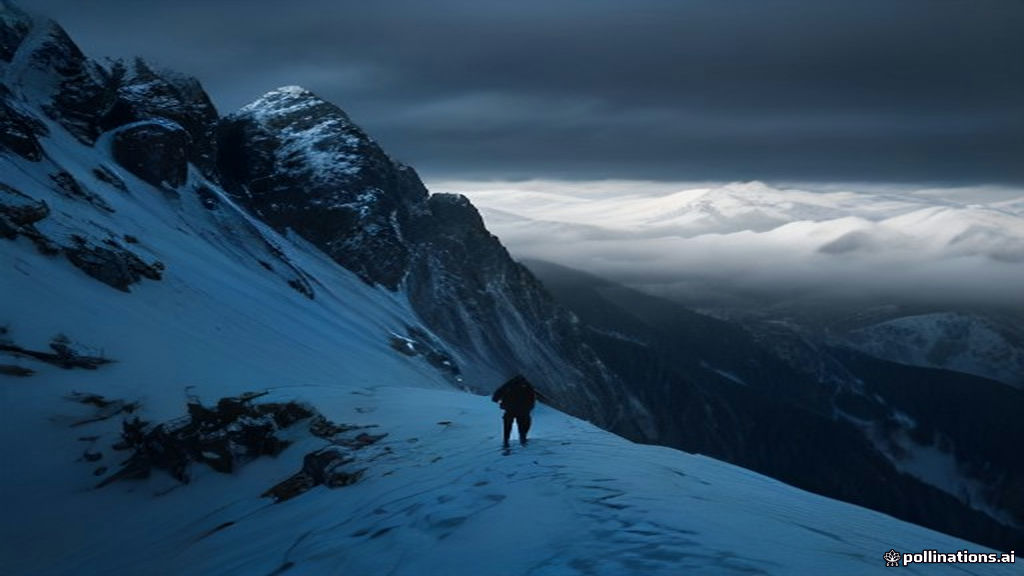
The wind is howling at 50 miles per hour, the air temperature is plummeting into the low teens, and the snow is falling so fast that every footprint disappears within seconds. High on a razor-thin ridge in Washington’s North Cascades, a solo hiker reaches into a jacket pocket for a phone to check the GPS map, only to watch the battery readout plummet from 68 percent straight to dead black in a matter of seconds.
What was supposed to be an exhilarating 14-mile spring loop quickly transformed into a terrifying 18-hour fight against severe hypothermia. The hiker had set out early that morning with an ultralight setup weighing under eight pounds. In a quest to travel fast and light, heavy winter gear was left behind in the trunk of the car. Out went the microspikes, the emergency bivvy sack, and the hard-copy topographical map. In their place was a single-wall shelter, light clothing, and complete faith in a smartphone app.
 Read nextSnow, Slippery Rocks, and 14 Thieving Parrots: Two Hikers Bare All
By mid-afternoon, an unpredicted arctic front slammed into the mountain range. Whiteout conditions completely swallowed the alpine trail. Without paper maps or a compass, and with a dead phone, the hiker drifted off course, plunging down a steep, treacherous rock field into total isolation.
When night fell, the situation turned desperate. The ultralight shelter ripped apart in the gale-force winds when the lightweight stakes pulled out of the powdery snow. Left with no choice, the trekker spent the night shivering uncontrollably inside a shallow trench hand-dug out of the snow, using an aluminum cooking pot as a makeshift shovel to block the freezing gusts.
The survival saga has ignited an explosive debate across the outdoor community, exposing a massive rift between old-school mountain safety advocates and modern ultralight purists.
Your brand, right here.Reach story-obsessed listeners in 45+ languages → advertise on AvoneticsOne commenter pointed out that shaving ounces off a pack is fine until nature shows no mercy, arguing that leaving basic physical survival gear behind to hit an arbitrary weight goal is pure vanity. Another countered that light packs actually keep hikers safer by allowing them to move faster and avoid fatigue, claiming the real mistake wasn't the pack weight, but the failure to turn around when the cloud cover first rolled in.
Search and rescue personnel note that incidents like this are becoming far too common as hikers swap traditional wilderness skills for digital convenience. They stress that cold weather drains electronic devices rapidly, leaving unprepared travelers blind in critical moments.
Miraculously, as morning light broke through the fog, the hiker managed to retrace steps along exposed rock formations and made contact with a volunteer search crew. Though suffering from second-stage hypothermia and frostnip on several fingers, the hiker walked off the mountain alive.
On the latest episode of the podcast, our hosts break down the precise decision-making failures that led to this near-tragedy and debate whether the ultralight movement has pushed backcountry risk way past the breaking point.