DIY Garage Miracle: Driver’s "Temporary" Lathe-Machined Shifter Cable Lasts 22 Months and 21,000 Miles
DIY Garage Miracle: Driver’s "Temporary" Lathe-Machined Shifter Cable Lasts 22 Months and 21,000 Miles · Avonetics
 Amazon Basics 99% Isopropyl Alcohol
99% Isopropyl alcohol is not intended for use on the skin. Wash face, hands and any exposed skin thoroughly after handling product. Do not eat, drink or smoke when using this produ…
See it →
Amazon Basics 99% Isopropyl Alcohol
99% Isopropyl alcohol is not intended for use on the skin. Wash face, hands and any exposed skin thoroughly after handling product. Do not eat, drink or smoke when using this produ…
See it →
When you live out in a remote rural village, breaking down isn't just a minor inconvenience—it is a complete lockdown. For one Volkswagen Golf Mk4 owner, an ordinary shift between gears turned into an immediate road disaster when the cabin gear selector suddenly went completely limp in their hand. A quick inspection under the hood confirmed the worst fears: one of the vital shifter cables connecting the cabin selector lever to the gearbox had snapped clean through right at the rod crimp joint.
Ordering a brand-new replacement cable was straightforward, but living out in the countryside meant facing an agonizing four-day delivery delay. In a tiny town with no reliable public transit or rideshare options, going four full days without a running car simply wasn't on the table. Unwilling to sit on their hands while waiting for a parcel truck to roll down the dirt roads, the driver decided to take matters into their own hands on the very first night of the breakdown.
 Read nextMY BOYFRIEND SAYS MY PEUGEOT IS A DRESS-UP GAME — BUT HIS BMW IS GETTING PLASTIC SURGERY!
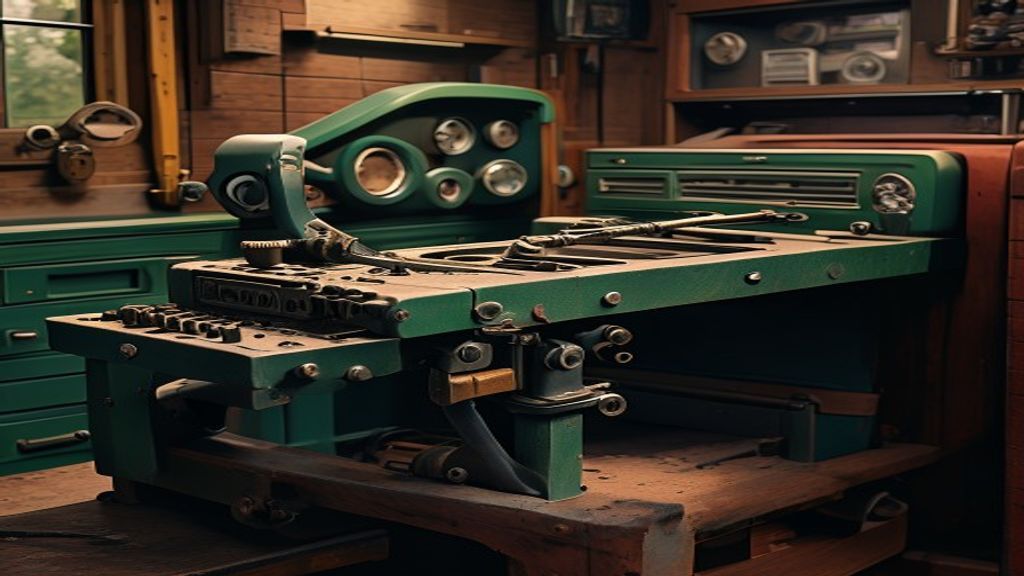
Stripping the broken cable assembly entirely out of the Golf, the driver headed into their personal garage workshop. Armed with a metal lathe and years of tinkering experience, they carefully examined the severed metal rod. Observing that there was just enough clearance around the cable assembly housing, they decided to engineer a custom sleeve. They fired up the lathe and precisely turned a tiny metal extension collar designed to bridge the gap and hold both broken ends of the tension rod in alignment.
To bond the metal components together inside the collar, the driver reached for a spool of standard lead solder. While soft lead solder is generally not celebrated for high-tensile mechanical strength or heavy torque applications, it was the only heavy-duty bonding material on hand. The driver fused the broken rod inside the freshly lathed metal sleeve, reinstalled the modified cable into the car, and crossed their fingers. The goal was modest: survive just four days of gentle store runs until the official factory replacement component arrived in the mail.
Day four arrived, and the parcel driver delivered the brand-new cable right on schedule. But there was a major twist—the improvised lathe-and-solder repair was working far better than anyone could have anticipated. Gear changes felt crisp, tight, and completely dependable. With the car running effortlessly, the driver decided to set the fresh boxed cable on a garage shelf, reasoning that they would swap it out whenever they got around to it.
Four days quickly morphed into four weeks, which smoothly stretched into four months. Before long, nearly two years had passed without a single hiccup from the shifter box. The hand-crafted sleeve endured freezing winter mornings, scorching summer highway drives, and aggressive downshifts on twisty backroads. By the time the repair was finally retired, the driver had accumulated a mind-boggling 35,000 kilometers—well over 21,000 miles—on a makeshift solder patch designed in a single evening.
 Elixir Strings
Made with 80/20 bronze wrap wire and our proprietary NANOWEB Technology, these strings deliver a bright, focused tone for life, with a comfortable and smooth feel. LEADING PLAYERS:…
See it →
Elixir Strings
Made with 80/20 bronze wrap wire and our proprietary NANOWEB Technology, these strings deliver a bright, focused tone for life, with a comfortable and smooth feel. LEADING PLAYERS:…
See it →
The immortal temporary fix was only brought to an end by a completely unrelated mechanical headache. When a noisy exhaust leak developed under the Golf, the driver was forced to unbolt and drop the entire exhaust piping to patch the system. On a Mk4 Golf chassis, accessing and removing the shifter box requires dropping the exhaust out of the way first. Realizing that the undercarriage was already stripped down and the shifter box was fully exposed, the driver finally decided it was time to honor the dusty replacement cable sitting on the workshop shelf after 22 months of continuous duty.
When the story surfaced online, driver communities immediately exploded into a fierce debate over the ethics and safety of long-term temporary repairs. One commenter praised the incredible feat, noting that absolutely nothing on a vehicle lasts quite as long as a temporary fix that actually works. Another driver pointed out that casting lead solder for custom cable ends is actually a time-honored hot rod technique, arguing that the driver’s lathe work was a brilliant piece of bespoke engineering rather than a hack job.
However, cautious mechanics and seasoned commuters strongly pushed back against the applause. Another commenter pointed out that given the poor quality control of modern aftermarket replacement parts, keeping a proven hand-crafted piece in place might actually be safer than installing a cheap factory knockoff. Conversely, critics argued that lead solder possesses low fatigue resistance and that subject to thousands of vibration cycles, the solder could have sheared without warning at 70 miles per hour, leaving the driver without gear control in dense traffic.
On the latest episode of Overdrive, our hosts break down every angle of this garage miracle, debating whether this 21,000-mile temporary fix represents the pinnacle of home mechanic ingenuity or a reckless gamble that just happened to pay off.