Aulum vs. Lucretia: The Ultimate Test of Nature’s Fury in the Cloud Forest
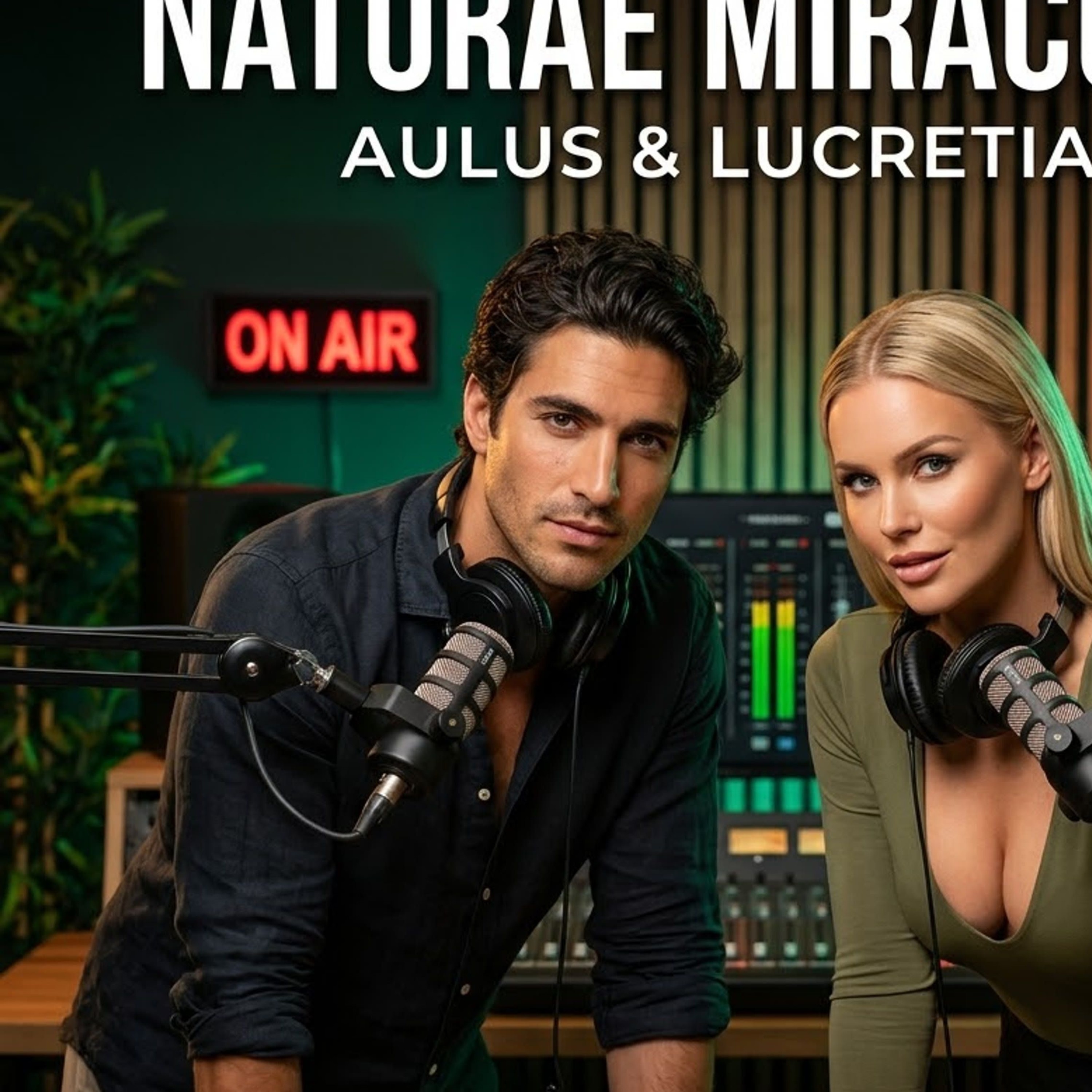
Aulum vs. Lucretia: The Ultimate Test of Nature’s Fury in the Cloud Forest · Avonetics
 Miracase Magnetic for iPhone 16 Pro
【Bubble Free Built-in 9H Glass Screen Protector】Miracase for iPhone 16 pro case with built-in full screen protector protect your phone screen from scratches and cracks, no gap and…
See it →
Miracase Magnetic for iPhone 16 Pro
【Bubble Free Built-in 9H Glass Screen Protector】Miracase for iPhone 16 pro case with built-in full screen protector protect your phone screen from scratches and cracks, no gap and…
See it →
Recent expeditions into the remote Andean cloud forest have become the subject of intense public fascination, and the latest episode of Naturae Miracula provides an intimate, first-person account of two leading naturalists—Aulum and Lucretia—confronting the absolute limits of human endurance in one of Earth’s most perilous biomes.
The journey begins with the awe-inspiring presence of Andean condors, whose massive wingspans dwarf everything else in their territory. As Aulum records the thunder of their flights and Lucretia captures footage of them soaring over glacial valleys, viewers are transported into a sky that seems both infinite and treacherous. One moment of particular intensity occurs when a sudden temperature drop triggers a localized blizzard, reducing visibility to mere meters and forcing the pair to shelter in a rocky overhang while waiting for conditions to stabilize. This experience illustrates the unpredictable nature of high-altitude environments, where weather shifts can turn a routine observation into a life-threatening emergency.
 Read nextIacobus Shriketalon: Heres Pacifista Qui Amat Sanguinem — Et Quomodo Spinacia Salvavit Humanitatem
Physical exhaustion becomes a tangible reality after days of trekking through dense vegetation and steep switchbacks. Aulum recounts the grueling ascent of a particularly narrow corral trail where roots and fallen branches forced them to crawl through the undergrowth. Despite the pain in his ankles and the damp chill seeping through his gear, he insists on continuing because the data they collect represents a once-in-a-decade opportunity to study the interaction between endangered orchid species and pollinating hummingbirds. Lucretia supports this determination, noting that "without these observations, future conservation strategies may fail entirely."
Medical emergencies are not uncommon in the Andes. During a midday pause, Lucretia sustained a severe cut from a thorny bramble while gathering plant samples. She applied pressure bandages using available supplies and monitored her pulse regularly, demonstrating the practical knowledge imparted by years of field training. Her calm response contrasts sharply with Aulum’s initial panic, highlighting how different personality types approach crisis differently—a theme that permeates the entire episode.
The most harrowing incident involves a flash flooding event triggered by a landslide downstream. The team watched in horror as a torrent of brown water surged toward their position, carrying debris including fallen trees, rocks, and even livestock. With seconds to decide whether to retreat or attempt a risky swim across the current, they chose the safer option of descending into a lower valley where they found shelter behind a waterfall. The aftermath revealed the power of glacial meltwater systems in the region, which can generate destructive flows even outside of formal earthquake seasons. This incident sparked discussion about the reliability of climate models predicting future flood patterns in mountainous regions.
 miracase for iPhone 17e Case
 & iPhone 16e Case, Full-Body Phone with Built-in Glass Screen Protector, [Magnetic with Mag · Home
See it →
miracase for iPhone 17e Case
miracase for iPhone 17e Case & iPhone 16e Case, Full-Body Phone with Built-in Glass Screen Protector, [Magnetic with Mag · Home
See it →
From a scientific perspective, the episode underscores several critical points. First, the importance of multi-disciplinary teams—combining field biologists, geologists, and experienced guides—to survive and succeed in such environments. Second, the necessity of rigorous safety protocols, including continuous monitoring of weather forecasts and maintaining constant communication with base stations. Third, the ethical imperative to prioritize human life over data collection, a principle that many modern expeditions struggle to uphold amidst commercial pressures.
For students of zoology and ecology, the episode offers valuable case studies. The documentation of Rana caelestis, a newly discovered frog species, demonstrates how serendipitous encounters can yield breakthroughs in biodiversity mapping. Similarly, the behavior observed in the mother puma provides insight into reproductive strategies that were previously difficult to study due to human interference. These examples illustrate how first-hand observation, combined with technological innovation, can expand our understanding of nature in ways that textbooks alone cannot convey.
The debate between Aulum and Lucretia extends beyond personal preference into broader philosophical territories. Aulum champions the philosophy of passive observation—minimizing human impact, relying on non-invasive techniques, and accepting uncertainty as inherent to wilderness work. Lucretia argues that sometimes active engagement is essential for obtaining meaningful data, and she cites historical examples where delayed intervention led to irreversible damage. Their dialogue embodies the ongoing discourse within conservation circles about balancing advocacy with empirical science.
Listening to Naturae Miracula’s Aulis vs. Lucretia allows audiences to engage directly with these opposing viewpoints, gaining nuance that flat summaries cannot provide. Viewers will leave with a deeper appreciation for the complexities of fieldwork, the risks involved in boundary-pushing exploration, and the responsibility that comes with sharing such experiences publicly. Whether you are a seasoned researcher, a budding student, or simply someone fascinated by the wild places of Earth, this episode promises to challenge your perceptions and inspire new questions about how we interact with nature's most formidable frontiers.
 Miracase Glass Case for iPhone 12/12
[9H TEMPERED GLASS SCREEN PROTECTOR + CAMERA PROTECTOR] This protective case for iPhone 12 / 12 pro features a built-in premium 9H hardness ultra-thin HD tempered glass screen prot…
See it →
Miracase Glass Case for iPhone 12/12
[9H TEMPERED GLASS SCREEN PROTECTOR + CAMERA PROTECTOR] This protective case for iPhone 12 / 12 pro features a built-in premium 9H hardness ultra-thin HD tempered glass screen prot…
See it →