48 Hours in the Freeze: How an Ultralight Gear Obsession Left One Solo Hiker Trapped in a 90mph Alpine Hell
48 Hours in the Freeze: How an Ultralight Gear Obsession Left One Solo Hiker Trapped in a 90mph Alpine Hell · Avonetics
It starts with a frantic calculation in the freezing dark. At 01:30 AM, high on an icy ridge in the White Mountains, the wind roars like a freight train. The temperature sits at a brutal 22 degrees below zero, but with gusts pushing past 90 miles per hour, the windchill drops into territory where exposed skin freezes in under two minutes.
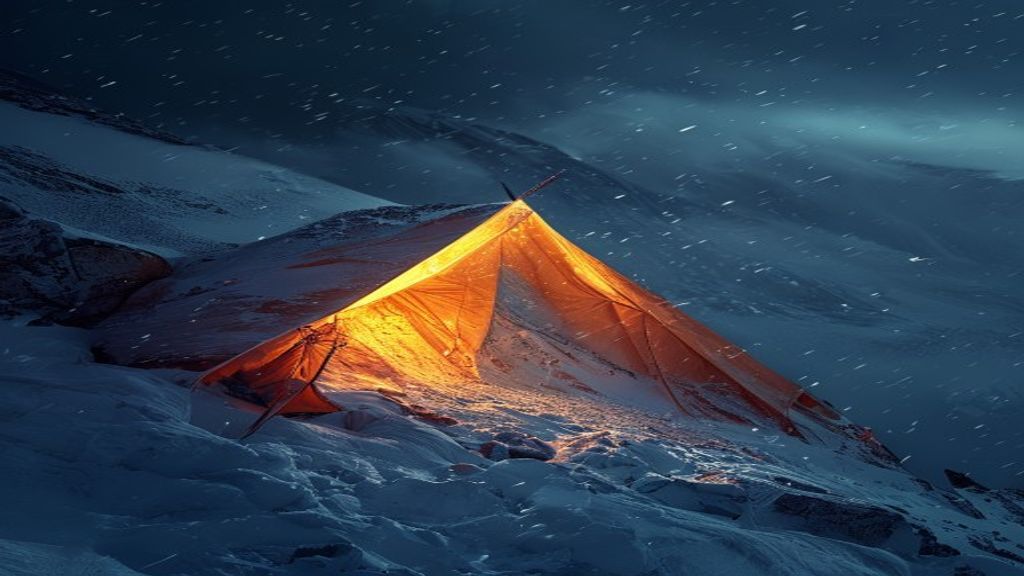
Then comes the snap. A single carbon-fiber tent pole shatters under the weight of an unforecasted bomb cyclone. Within seconds, extreme lateral gusts rip through the ultra-lightweight fabric, shredding the single-wall shelter like wet paper. A solo backpacker is suddenly left exposed to lethal arctic conditions above the treeline.
 Read nextSnow, Slippery Rocks, and 14 Thieving Parrots: Two Hikers Bare All
What followed was a harrowing 42-hour battle for life that has ignited a fierce debate across the outdoor adventure community. Forced to make a split-second choice between risking a blind descent off an icy cliff in zero visibility or braving the night on the open ridge, the hiker chooses survival through excavation.
Dropping 150 feet down to a leeward slope, the hiker digs frantically into the hardpack snow using a compact aluminum shovel. The strategy is pure physics: snow is a remarkably efficient insulator. By carving a narrow six-foot trench, placing snowshoes on the frozen floor as a thermal barrier, and slipping into a synthetic emergency bivy, the hiker creates a microclimate. Outside, the storm rages at -55°F windchill; inside the snow trench, the air hovers right around freezing.
Two days later, during a brief lull in the storm, a satellite emergency beacon signal reaches ground search teams, leading to a miraculous rescue. The hiker walks away with minor frostbite on two fingers, but the story is far from over.
Your brand, right here.Reach story-obsessed listeners in 45+ languages → advertise on AvoneticsAcross wilderness forums and mountaineering hubs, the reaction is explosive. One seasoned mountaineer argues that taking a sub-two-pound three-season tent into Mount Washington's alpine zone in mid-winter is pure recklessness, suggesting that modern ultralight trends are tricking hikers into under-preparing for extreme weather.
Another voice defends the hiker, pointing out that gear will always have failure points. They contend that the hiker's quick pivot to construct a functional snow trench, rather than panicking or attempting a deadly whiteout walk-out, proves that knowledge and emergency tools matter far more than heavy tent poles.
Critics also point to the psychological effect of modern satellite communicators. Did having an emergency SOS button encourage taking unnecessary risks in volatile weather conditions?
On the latest episode of Off Grid, the hosts break down every brutal decision, the thermal physics of emergency shelters, and whether the ultralight movement has gone entirely too far.